
Unlock Vitality: The Proven Benefits of Regular Exercise for Health

Side view of professional orthopedist in uniform and eyewear helping fit woman reaching arm with dumbbell in doctor office on blurred backgroundPhoto: www.kaboompics.com / Pexels

Unlock Vitality: The Proven Benefits of Regular Exercise for Health

Regular exercise is a cornerstone of a healthy life, offering profound advantages for both physical and mental well-being.

Start Your Journey

Key Takeaways

  • ✓ Regular exercise significantly reduces the risk of chronic diseases like heart disease, type 2 diabetes, and certain cancers.
  • ✓ Physical activity is a powerful mood booster, alleviating symptoms of depression and anxiety.
  • ✓ Exercise enhances cognitive function, improving memory, focus, and overall brain health.
  • ✓ Consistent workouts contribute to stronger bones and muscles, reducing the risk of falls and improving mobility in later life.

How It Works

1
Improved Cardiovascular Health

Exercise strengthens your heart muscle, allowing it to pump blood more efficiently throughout your body. This reduces blood pressure and improves cholesterol levels, significantly lowering your risk of heart disease and stroke.

2
Enhanced Mental Well-being

Physical activity releases endorphins, natural mood elevators that combat stress, anxiety, and depression. It also improves sleep quality and boosts self-esteem, leading to a more positive outlook on life.

3
Weight Management and Metabolic Health

Regular exercise burns calories and builds muscle mass, which boosts your metabolism, making weight management easier. It also improves insulin sensitivity, reducing the risk of type 2 diabetes.

4
Stronger Bones and Muscles

Weight-bearing exercises stimulate bone growth and increase bone density, preventing osteoporosis. Strength training builds and maintains muscle mass, improving balance, coordination, and reducing the risk of injury.

The Profound Impact of Exercise on Cardiovascular Health

Top view of crop anonymous person hand with red paper heart on table with stethoscope and medical mask for coronavirus preventionPhoto: www.kaboompics.com / Pexels
The human heart is a remarkable organ, tirelessly working to pump blood throughout our bodies. Regular exercise is arguably the most effective way to support and enhance its function, leading to profound benefits for cardiovascular health. When you engage in physical activity, your heart muscle becomes stronger and more efficient. This means it can pump more blood with each beat, reducing the number of beats required per minute and lowering your resting heart rate. A lower resting heart rate is a key indicator of cardiovascular fitness and is associated with a reduced risk of heart disease. Beyond strengthening the heart, exercise plays a critical role in managing blood pressure. Consistent physical activity helps to keep arteries flexible and open, reducing the resistance to blood flow and thereby lowering both systolic and diastolic blood pressure. High blood pressure, or hypertension, is a major risk factor for heart attack, stroke, and kidney disease, so maintaining healthy levels through exercise is paramount. Furthermore, regular workouts positively influence cholesterol levels. They help to increase high-density lipoprotein (HDL) cholesterol, often referred to as 'good' cholesterol, which helps remove harmful cholesterol from your arteries. Simultaneously, exercise can help lower low-density lipoprotein (LDL) cholesterol, the 'bad' cholesterol that contributes to plaque buildup. This dual action significantly reduces the risk of atherosclerosis, a condition where arteries become hardened and narrowed due to plaque accumulation. Moreover, exercise improves circulation and blood flow, ensuring that all your organs and tissues receive an adequate supply of oxygen and nutrients. This enhanced vascular health contributes to better overall bodily function and can alleviate symptoms associated with poor circulation. The cumulative effect of these cardiovascular improvements is a substantially lower risk of developing chronic heart conditions, including coronary artery disease, heart failure, and peripheral artery disease. Engaging in a mix of aerobic activities, such as brisk walking, jogging, swimming, or cycling, alongside strength training, provides the most comprehensive benefits for your heart. Even moderate amounts of physical activity can make a significant difference, reinforcing why the benefits of regular exercise for health are so crucial for a long and healthy life. For those looking to further understand heart health, exploring resources on cardiovascular disease prevention can provide additional insights.

Boosting Mental Acuity and Emotional Resilience Through Physical Activity

A person jogging in silhouette during sunrise on a foggy morning in a serene park setting.Photo: Michael Pointner / Pexels
The connection between physical activity and mental well-being is undeniable and increasingly supported by scientific research. Far from being solely a physical endeavor, exercise is a powerful tool for enhancing cognitive function, improving mood, and building emotional resilience. When you exercise, your brain receives an increased supply of oxygen-rich blood, which helps to nourish brain cells and promote the growth of new ones. This improved blood flow is crucial for optimal brain function, impacting everything from memory and concentration to problem-solving abilities. One of the most celebrated mental benefits of exercise is its role in stress reduction. Physical activity acts as a natural stress reliever by decreasing the levels of stress hormones like cortisol and adrenaline in the body. Simultaneously, it stimulates the production of endorphins, neurochemicals known for their mood-boosting and pain-relieving effects. This 'runner's high' isn't exclusive to runners; any sustained physical effort can trigger these feel-good chemicals, leading to a sense of euphoria and reduced feelings of anxiety and tension. Regular exercise has been shown to be as effective as some forms of psychotherapy or medication in alleviating symptoms of mild to moderate depression and anxiety disorders. Beyond immediate mood improvements, consistent physical activity can lead to long-term cognitive benefits. Studies suggest that exercise can protect against age-related cognitive decline and reduce the risk of developing neurodegenerative diseases such as Alzheimer's and Parkinson's. It enhances neuroplasticity, the brain's ability to adapt and form new connections, which is vital for learning and memory. Furthermore, exercise significantly improves sleep quality. By regulating your body's circadian rhythm and promoting deeper, more restorative sleep, physical activity ensures your brain has ample time to repair and consolidate memories, leading to improved daytime alertness and cognitive performance. This holistic impact underscores how vital the benefits of regular exercise for health are, extending deeply into our mental and emotional landscapes. It fosters a sense of accomplishment, boosts self-esteem, and provides a healthy outlet for managing life's challenges, contributing to a greater sense of overall well-being and emotional stability.

Strengthening Your Foundation: Musculoskeletal Health and Longevity
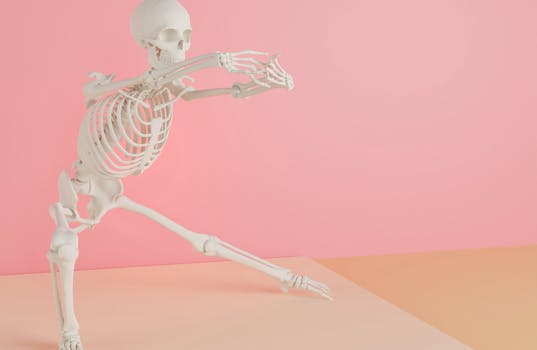
A white skeleton model striking a dynamic pose on a pink and peach background.Photo: dada _design / Pexels
Maintaining strong bones and muscles is fundamental to a healthy, independent life, especially as we age. Regular exercise plays an indispensable role in building and preserving musculoskeletal health, laying the foundation for greater mobility, reduced injury risk, and enhanced quality of life. Weight-bearing exercises, such as walking, jogging, hiking, and dancing, are particularly effective in stimulating bone growth. When you engage in these activities, the impact and stress on your bones signal them to become denser and stronger. This is crucial for preventing osteoporosis, a condition characterized by brittle bones that are susceptible to fractures. By building peak bone mass in youth and maintaining it throughout adulthood, you significantly reduce your risk of debilitating bone fractures later in life. Strength training, which involves using resistance to build muscle, is equally vital. As we age, we naturally lose muscle mass and strength, a process known as sarcopenia. This can lead to decreased mobility, increased risk of falls, and a general decline in physical function. Regular strength training, whether using free weights, resistance bands, or your own body weight, helps to counteract sarcopenia by building and preserving muscle mass. Stronger muscles not only improve your ability to perform daily tasks but also enhance balance, coordination, and agility, further reducing the likelihood of falls. Moreover, muscles act as shock absorbers for your joints, protecting them from wear and tear and potentially mitigating the onset or progression of conditions like osteoarthritis. Beyond bone and muscle, exercise also strengthens connective tissues such as tendons and ligaments, making your joints more stable and less prone to injury. Improved flexibility and range of motion, often enhanced through activities like yoga or stretching, complement strength and bone density, contributing to a more resilient and adaptable musculoskeletal system. The synergistic effect of these benefits is a body that is better equipped to handle physical demands, recover from injury, and maintain independence throughout the lifespan. Embracing the benefits of regular exercise for health, specifically tailored to musculoskeletal strength, is an investment in your future mobility and overall vitality. For more detailed guidance on maintaining joint health, consider exploring advice on managing chronic pain conditions.

Practical Tips for Integrating Exercise into Your Daily Life

Close-up of a person tying black sports shoes on a sunny day, outdoors.Photo: Gustavo Fring / Pexels
Embarking on a regular exercise routine doesn't have to be an overwhelming commitment. The key is to start small, be consistent, and find activities you genuinely enjoy. Here are some practical tips to help you integrate exercise seamlessly into your daily life and reap the full benefits of regular exercise for health: * **Start Gradually:** Don't try to do too much too soon. Begin with short bursts of activity, like 10-15 minute walks, and gradually increase the duration and intensity as your fitness improves. This prevents burnout and injury. * **Find Your Fun:** Exercise doesn't have to be a chore. Explore different activities – dancing, hiking, swimming, cycling, team sports, or even active video games – until you find what genuinely motivates you. Enjoyment is the biggest predictor of long-term adherence. * **Schedule It In:** Treat your exercise time like any other important appointment. Block out specific times in your calendar and stick to them. Consistency is more important than intensity when you're first starting. * **Incorporate Movement into Your Day:** Look for opportunities to be active outside of dedicated workout sessions. Take the stairs instead of the elevator, park further away, walk or bike for short errands, or do some stretches during TV commercials. * **Set Realistic Goals:** Focus on achievable milestones rather than overwhelming objectives. Celebrate small victories, like completing a week of workouts or increasing your walking distance. This builds momentum and confidence. * **Buddy Up:** Exercising with a friend, family member, or joining a group class can provide motivation, accountability, and make the experience more enjoyable. * **Listen to Your Body:** Pay attention to signs of fatigue or pain. Rest when needed, and don't push yourself too hard, especially when starting. Recovery is an integral part of progress. * **Variety is Key:** Mix up your routine to engage different muscle groups and prevent boredom. Combine aerobic exercise with strength training and flexibility work for a well-rounded fitness regimen. **Common Mistakes to Avoid:** * **Overdoing it too soon:** This often leads to injury and discouragement. * **Ignoring rest days:** Muscles need time to repair and grow stronger. * **Not setting clear goals:** Without direction, it's easy to lose motivation. * **Comparing yourself to others:** Focus on your own progress and journey. * **Neglecting nutrition and hydration:** Exercise works best when fueled by a healthy diet and adequate water intake.

Comparison

Aspect of HealthAerobic Exercise (e.g., Running)Strength Training (e.g., Weights)Flexibility/Balance (e.g., Yoga)
Cardiovascular HealthExcellent (strengthens heart, lowers BP)Good (improves circulation)Moderate (reduces arterial stiffness)
Bone DensityGood (weight-bearing impact)Excellent (direct bone stress)Moderate (low impact, improves posture)
Muscle Mass & StrengthModerate (endurance focus)Excellent (builds and maintains muscle)Moderate (improves muscle elasticity)
Mental Well-beingExcellent (endorphin release, stress reduction)Good (boosts confidence, reduces anxiety)Excellent (mindfulness, stress relief)
Weight ManagementExcellent (burns calories)Excellent (boosts metabolism, builds muscle)Moderate (supports overall fitness)
Injury PreventionGood (improves stamina)Excellent (strengthens joints, improves stability)Excellent (improves range of motion, balance)

What Our Readers Say

5 ★★★★★

"Before I started my daily walks, I felt sluggish and constantly stressed. Now, thanks to regular exercise, my energy levels are through the roof, and my mood has dramatically improved. It truly highlights the incredible benefits of regular exercise for health."

5 ★★★★★

"My doctor recommended exercise to help manage my blood pressure, and it’s been a game-changer. After six months of consistent workouts, my numbers are healthy, and I feel stronger and more vibrant than ever. The benefits of regular exercise for health are undeniable."

5 ★★★★★

"I used to struggle with chronic back pain, but incorporating yoga and strength training has significantly reduced my discomfort. I'm more flexible, stronger, and can enjoy activities I thought were lost to me. This positive change perfectly illustrates the benefits of regular exercise for health."

4 ★★★★☆

"While it took a few weeks to get into a consistent rhythm, the mental clarity and improved sleep I've gained from exercising are remarkable. I still have days where motivation is low, but the overall positive impact on my health makes it worthwhile."

5 ★★★★★

"As a busy professional, I thought I had no time for exercise. But even 30 minutes of brisk walking daily has transformed my stress levels and productivity. It's a testament to the powerful benefits of regular exercise for health, even with a packed schedule."

Frequently Asked Questions

What are the most significant benefits of regular exercise for overall health?
The most significant benefits include a reduced risk of chronic diseases like heart disease, diabetes, and certain cancers, improved mental health by reducing stress and anxiety, enhanced cognitive function, better sleep quality, stronger bones and muscles, and effective weight management. These advantages collectively contribute to a longer, healthier, and more active life.
I'm worried I don't have enough time for exercise. How can I fit it into a busy schedule?
Even short bursts of activity, like 10-15 minute walks, can accumulate and provide health benefits. Try to integrate movement into your daily routine by taking stairs, parking further away, or doing active chores. Scheduling exercise like an important appointment and finding activities you enjoy can also boost adherence and make it feel less like a chore.
How much exercise is considered 'regular' for health benefits?
For substantial health benefits, adults should aim for at least 150 minutes of moderate-intensity aerobic activity (e.g., brisk walking) or 75 minutes of vigorous-intensity activity (e.g., running) per week. Additionally, incorporate muscle-strengthening activities that work all major muscle groups at least two days a week.
Is investing time in regular exercise truly worth it, or are there easier alternatives for health?
While a healthy diet and good sleep are crucial, regular exercise offers unique and comprehensive benefits that are difficult to replicate through other means. It's a powerful preventative medicine, improving cardiovascular health, mental well-being, and physical strength in ways that diet alone cannot. The long-term investment in exercise pays dividends in quality of life and reduced healthcare costs.
How does regular exercise compare to medication in managing conditions like depression or high blood pressure?
For mild to moderate depression and anxiety, regular exercise can be as effective as medication for some individuals and often serves as a valuable complementary therapy. Similarly, for high blood pressure, exercise is a primary recommendation and can significantly lower readings, often reducing the need for or dosage of medication. Always consult your doctor before making changes to your treatment plan.
Who should prioritize the benefits of regular exercise for health the most?
While everyone benefits, individuals at higher risk for chronic diseases (e.g., with a family history of heart disease or diabetes), those experiencing stress or anxiety, people looking to manage their weight, and older adults aiming to maintain mobility and prevent falls should prioritize regular exercise. However, it's truly a universal recommendation for optimal health.
Are there any risks associated with regular exercise, and how can I minimize them?
While generally safe, risks include injury from overexertion or improper form, and in rare cases, cardiovascular events for individuals with undiagnosed conditions. To minimize risks, start slowly, progress gradually, use proper form, listen to your body, stay hydrated, and consult a doctor before starting a new routine, especially if you have pre-existing health conditions.
What future trends are emerging in maximizing the benefits of regular exercise for health?
Future trends include personalized exercise prescriptions based on genetic data and wearable tech, integration of virtual reality and gamification to enhance motivation, and a greater emphasis on 'exercise snacks' or micro-workouts throughout the day. There's also growing research into exercise as a therapeutic intervention for specific chronic conditions and mental health disorders.

Embrace the transformative power of physical activity today and unlock the myriad benefits of regular exercise for health. Take the first step towards a more vibrant, energetic, and fulfilling life by integrating consistent movement into your routine. Your body and mind will thank you.

Topics: benefits of regular exercise for healthexercise health advantagesphysical activity well-beingpreventative health exercisefitness long life