
Unlocking the Benefits of a Plant-Based Diet for Health
Explore how embracing plant-powered nutrition can transform your well-being and longevity.
Start Your JourneyKey Takeaways
- ✓ Plant-based diets significantly lower risk of heart disease.
- ✓ They are effective for sustainable weight management.
- ✓ Reduced risk of type 2 diabetes is a major benefit.
- ✓ Studies show improved gut health and diverse microbiome.
How It Works
Focus on consuming a wide array of fruits, vegetables, whole grains, and legumes. These foods are packed with essential vitamins, minerals, and fiber.
Minimize or eliminate processed foods, red meat, and dairy which can contribute to chronic inflammation. Plant-based options inherently reduce these triggers.
The high fiber content in plant foods acts as prebiotics, fostering a healthy and diverse gut flora. A balanced gut is crucial for overall health.
Antioxidants found abundantly in plants protect cells from oxidative stress and damage. This contributes to anti-aging effects and disease prevention.
Heart Health: A Cornerstone Benefit of Plant-Based Eating
 Photo: https://kaboompics.com/ / Pexels
Weight Management and Diabetes Prevention
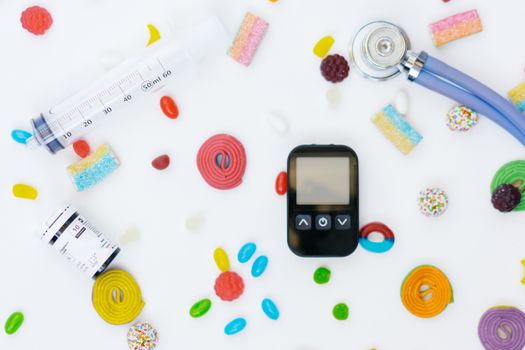 Photo: Mikhail Nilov / Pexels
Combating Chronic Diseases and Enhancing Longevity
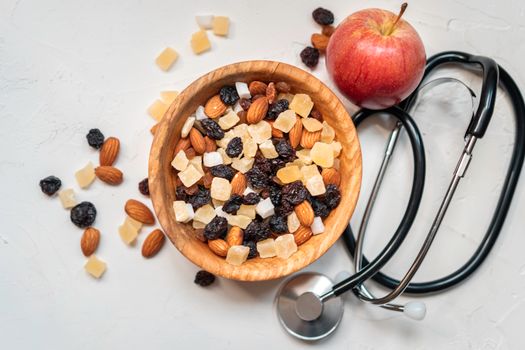 Photo: Atlantic Ambience / Pexels
Practical Tips for Transitioning to a Plant-Based Diet
 Photo: Kampus Production / Pexels
Comparison
| Aspect | Plant-Based Diet | Standard American Diet (SAD) | Mediterranean Diet |
|---|---|---|---|
| Saturated Fat | Low | High | Moderate |
| Dietary Cholesterol | Absent | Present | Low to Moderate |
| Fiber Content | Very High | Low | High |
| Antioxidants | Very High | Low | High |
| Risk of Heart Disease | Lower | Higher | Lower |
| Weight Management | Effective | Challenging | Effective |
| Focus | Whole plants | Processed foods, animal products | Whole foods, olive oil, fish |
What Readers Say
"Switching to a plant-based diet was the best decision for my health. My cholesterol levels improved dramatically, and I feel more energetic than ever before. It's truly transformative."
Sarah J. · Austin, TX"I was skeptical at first, but the benefits of a plant-based diet for health are undeniable. My digestion is better, and I've lost 15 pounds without feeling deprived. Highly recommend exploring it."
David M. · Seattle, WA"After years of struggling with high blood pressure, adopting a plant-based diet helped me reduce my medication. My doctor is amazed by the positive changes in my health markers."
Emily R. · Denver, CO"The initial transition was a bit challenging, especially finding good protein sources, but the improvements in my energy levels and skin health have made it worthwhile. Still learning, but loving the benefits."
Mark T. · Miami, FL"As a competitive athlete, I've noticed a significant improvement in my recovery times and overall endurance since going plant-based. My performance has definitely gotten a boost."
Jessica L. · Chicago, ILFrequently Asked Questions
Is a plant-based diet truly sufficient for all nutritional needs?
Yes, a well-planned plant-based diet can provide all the necessary nutrients, including protein, iron, calcium, and omega-3 fatty acids. It's crucial to consume a variety of whole foods and consider supplementing with Vitamin B12, which is not readily available in plant foods.
Will I feel hungry all the time on a plant-based diet?
Not necessarily. Plant-based diets are rich in fiber, which promotes satiety and helps you feel full longer. Focusing on whole, unprocessed plant foods, including adequate protein and healthy fats, will keep hunger at bay.
How do I get enough protein on a plant-based diet?
There are numerous excellent plant-based protein sources. These include legumes (beans, lentils, chickpeas), tofu, tempeh, edamame, quinoa, nuts, seeds, and various whole grains. A varied diet ensures you meet your protein requirements.
Is a plant-based diet expensive?
It doesn't have to be. Focusing on staples like dried beans, lentils, rice, seasonal vegetables, and fruits can be very cost-effective. Processed plant-based alternatives can be pricier, so prioritize whole foods.
What's the difference between vegan, vegetarian, and plant-based?
Vegetarian diets exclude meat, poultry, and fish. Vegan diets exclude all animal products, including dairy, eggs, and honey. A plant-based diet, while often overlapping with veganism, primarily emphasizes whole, unprocessed plant foods and may or may not strictly exclude all animal products, depending on the individual's approach.
Who should consider adopting a plant-based diet?
Virtually anyone can benefit from incorporating more plant-based foods into their diet. It's particularly beneficial for individuals looking to improve heart health, manage weight, prevent or manage type 2 diabetes, reduce inflammation, and enhance overall well-being. Always consult with a healthcare professional before making significant dietary changes, especially if you have underlying health conditions.
Are there any risks or deficiencies associated with a plant-based diet?
While generally safe and highly beneficial, a poorly planned plant-based diet can lead to deficiencies, particularly in Vitamin B12, Vitamin D, iron, calcium, iodine, and omega-3 fatty acids. A balanced approach, dietary diversity, and potentially supplementation can prevent these issues.
Will plant-based diets become the norm in the future?
The trend towards plant-based eating is growing significantly due to increasing awareness of its health, environmental, and ethical benefits. While it may not become the 'norm' for everyone, its influence and adoption are projected to continue expanding rapidly globally.
Embrace the profound benefits of a plant-based diet for health and embark on a journey towards a more vibrant, energetic, and disease-resistant life. Your body and mind will thank you for making this powerful change.