
Unlocking Health: The Benefits of Regular Exercise

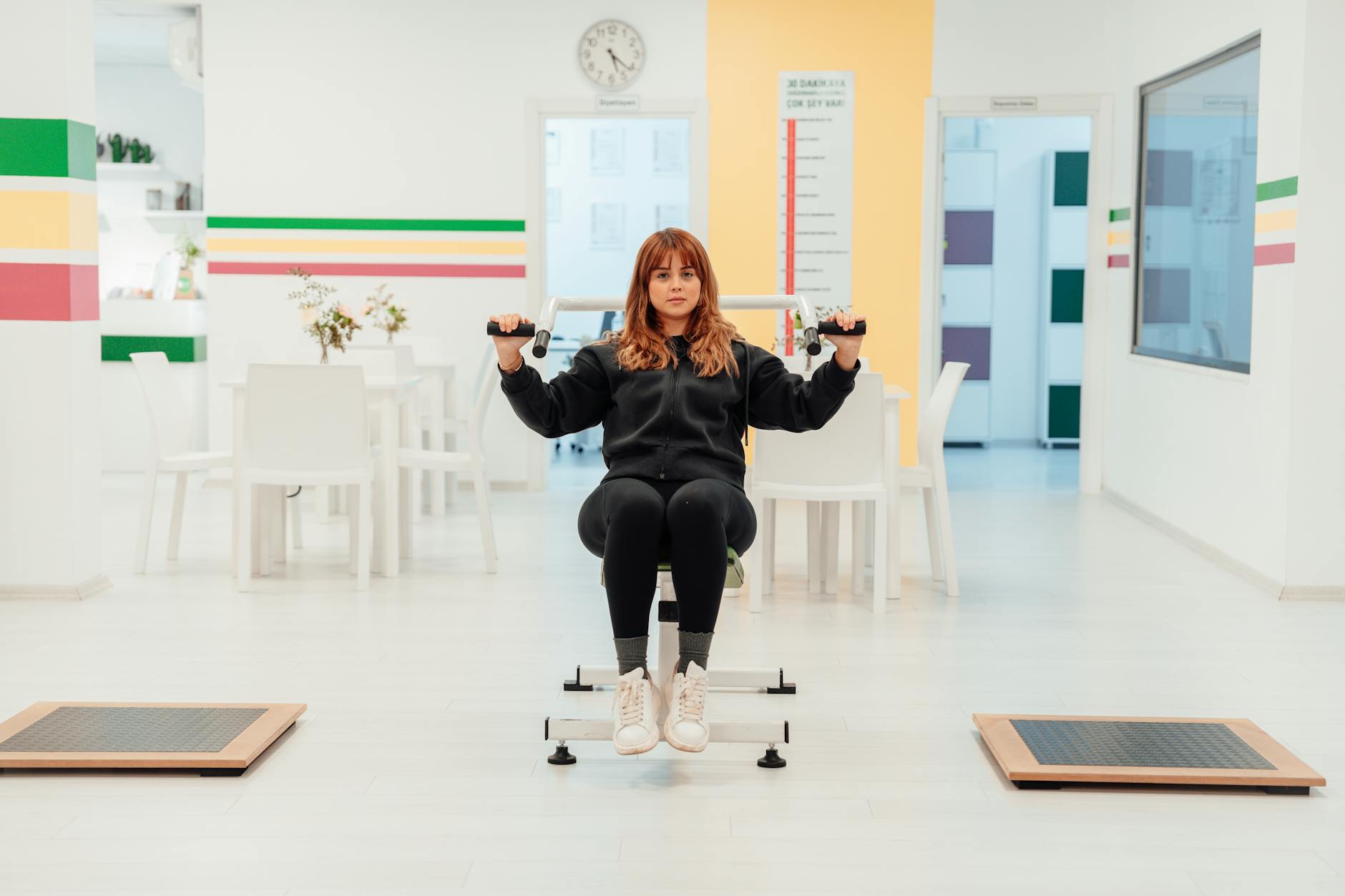
A woman exercises in a bright rehabilitation center, focusing on recovery and wellness.Photo: Ahmet Kurt / Pexels

Unlocking Health: The Benefits of Regular Exercise

Transform your life with consistent physical activity, enhancing both your physical and mental well-being.

Start Your Journey Now

Key Takeaways

  • ✓ Regular exercise significantly reduces the risk of chronic diseases like heart disease and type 2 diabetes.
  • ✓ Physical activity is a powerful mood enhancer, combating stress, anxiety, and depression.
  • ✓ Exercise strengthens your immune system, making you less susceptible to common illnesses.
  • ✓ Consistent movement improves cognitive function, including memory and problem-solving skills.

How It Works

1
Consult Your Doctor

Before starting any new exercise regimen, especially if you have pre-existing conditions, consult with your physician. They can help you determine safe and appropriate activities.

2
Set Realistic Goals

Begin with achievable objectives, such as 15-20 minutes of moderate activity three times a week. Gradually increase duration and intensity as your fitness improves.

3
Choose Enjoyable Activities

Select exercises you genuinely like, whether it's walking, swimming, dancing, or team sports. Enjoyment is key to long-term adherence and consistency.

4
Prioritize Consistency

Aim for regularity over intensity in the beginning. Establishing a routine, even with shorter sessions, builds habits that lead to sustained engagement and greater health benefits.

The Profound Impact of Exercise on Cardiovascular Health

Top view of crop anonymous person hand with red paper heart on table with stethoscope and medical mask for coronavirus preventionPhoto: www.kaboompics.com / Pexels
The heart, arguably the most vital organ in the human body, directly benefits from regular physical activity in myriad ways. Engaging in consistent exercise strengthens the heart muscle itself, making it more efficient at pumping blood throughout the body. This increased efficiency means your heart doesn't have to work as hard, leading to a lower resting heart rate and reduced strain on the cardiovascular system. One of the most significant benefits is the improvement in blood pressure. Hypertension, or high blood pressure, is a major risk factor for heart disease and stroke. Regular aerobic exercise, such as brisk walking, jogging, or cycling, has been shown to significantly lower both systolic and diastolic blood pressure readings. This effect is comparable to some prescription medications, making exercise a powerful, natural intervention. Furthermore, exercise plays a critical role in managing cholesterol levels. It helps to increase high-density lipoprotein (HDL) cholesterol, often referred to as 'good' cholesterol, which aids in removing excess cholesterol from the arteries. Simultaneously, it can help lower low-density lipoprotein (LDL) cholesterol, or 'bad' cholesterol, which contributes to plaque buildup in the arteries. This dual action helps to prevent atherosclerosis, a condition where arteries become hardened and narrowed, severely impeding blood flow. Beyond cholesterol and blood pressure, regular physical activity improves endothelial function – the health of the inner lining of your blood vessels. Healthy endothelium is crucial for proper blood vessel dilation and constriction, ensuring optimal blood flow and preventing clotting. Exercise also reduces systemic inflammation, a chronic state linked to various cardiovascular diseases. By modulating inflammatory markers, exercise helps protect the heart and blood vessels from damage. For individuals at risk of or living with type 2 diabetes, exercise is an indispensable tool. It enhances insulin sensitivity, meaning your body's cells become more responsive to insulin, allowing glucose to be efficiently absorbed from the bloodstream. This helps regulate blood sugar levels, preventing the harmful effects of hyperglycemia on the cardiovascular system. The cumulative effect of these benefits is a substantially reduced risk of developing coronary artery disease, heart attack, stroke, and other life-threatening cardiovascular conditions. Incorporating at least 150 minutes of moderate-intensity aerobic activity or 75 minutes of vigorous-intensity aerobic activity per week, along with muscle-strengthening activities, can dramatically improve your long-term cardiovascular outlook. It’s an investment in your heart that pays dividends for a lifetime, safeguarding against the leading cause of mortality in the United States. For more detailed information on maintaining a healthy heart, consult resources on heart health guidelines.

Boosting Mental Well-being and Cognitive Function Through Movement

Close-up of a woman meditating outdoors on a mat. Focus on tranquility and mindfulness.Photo: MART PRODUCTION / Pexels
The connection between physical activity and mental health is increasingly recognized as profound and multifaceted. Regular exercise serves as a potent antidote to stress, anxiety, and depression, offering a natural and effective way to manage these common mental health challenges. When you engage in physical activity, your brain releases powerful neurochemicals, including endorphins, which have mood-lifting and pain-relieving effects. These 'feel-good' chemicals can create a sense of euphoria, often referred to as a 'runner's high,' but even moderate activity can produce similar, albeit milder, effects. Beyond immediate mood enhancement, exercise helps to regulate neurotransmitters like serotonin and norepinephrine, which play crucial roles in mood stabilization. For those battling anxiety, exercise provides an outlet for pent-up energy and can reduce the physiological symptoms of anxiety, such as a racing heart and shallow breathing. It can also serve as a form of active meditation, allowing individuals to focus on their body's movements and sensations rather than overwhelming thoughts. Similarly, for depression, regular physical activity can be as effective as antidepressants for some individuals, particularly in mild to moderate cases. It fosters a sense of accomplishment, improves self-esteem, and provides a structured routine, all of which are beneficial for mental health. Beyond emotional well-being, exercise significantly impacts cognitive function. Research consistently demonstrates that physical activity enhances memory, attention, problem-solving skills, and executive function. This is partly due to increased blood flow to the brain, which delivers more oxygen and nutrients. Exercise also stimulates the production of brain-derived neurotrophic factor (BDNF), a protein that promotes the growth of new brain cells and strengthens existing neural connections. This neuroplasticity is crucial for learning and memory formation. Furthermore, regular physical activity has been shown to protect against age-related cognitive decline and reduce the risk of neurodegenerative diseases such as Alzheimer's and Parkinson's. By maintaining brain health and cognitive reserve, exercise helps individuals maintain mental sharpness and independence later in life. The social aspect of group exercise classes or team sports can also combat feelings of loneliness and isolation, further contributing to overall mental well-being. In a world where mental health challenges are prevalent, embracing regular exercise is not just about physical fitness; it's about nurturing a healthy mind and fostering cognitive resilience. It empowers individuals to manage stress more effectively, experience greater joy, and maintain a sharp, agile mind throughout their lifespan.

Fortifying Your Body: Immune System, Bone Density, and Weight Management

Minimalist image of a syringe and vaccine vial on a vibrant yellow background.Photo: Thirdman / Pexels
Regular exercise is a cornerstone of a robust immune system, acting as a natural defense booster. Moderate physical activity can enhance the circulation of immune cells, such as natural killer cells and T-lymphocytes, allowing them to patrol the body more effectively and detect potential pathogens like viruses and bacteria. This increased surveillance means your body is better equipped to fight off infections, reducing the frequency and severity of common illnesses like colds and the flu. While intense, prolonged exercise can temporarily suppress the immune system, consistent moderate activity, like a daily brisk walk or a gentle jog, creates a cumulative positive effect. It helps to reduce inflammation, which can otherwise compromise immune function, and promotes overall systemic health, creating an optimal environment for your immune cells to thrive. Beyond immunity, exercise plays a critical role in maintaining strong, healthy bones and muscles. Weight-bearing exercises, such as walking, running, dancing, and strength training, place stress on your bones, stimulating them to become denser and stronger. This is particularly important for preventing osteoporosis, a condition characterized by brittle bones that are prone to fractures, especially as we age. For muscles, resistance training is key. Lifting weights, using resistance bands, or even performing bodyweight exercises like squats and push-ups, builds and maintains muscle mass. This is vital not only for strength and mobility but also for metabolism, as muscle tissue burns more calories at rest than fat tissue. Strong muscles also improve balance and coordination, significantly reducing the risk of falls, which can be devastating, particularly for older adults. Effective weight management is another undeniable benefit of regular exercise. Physical activity burns calories, helping to create the caloric deficit necessary for weight loss or to maintain a healthy weight. However, its role extends beyond simple calorie expenditure. Exercise increases your metabolic rate, meaning your body burns more calories even when at rest. It also helps preserve lean muscle mass during weight loss, which is crucial because muscle loss can slow down your metabolism. Regular exercise also helps regulate appetite hormones, potentially reducing cravings and overeating. When combined with a balanced diet, exercise is the most effective strategy for achieving and sustaining a healthy body weight. This, in turn, reduces the risk of numerous weight-related health issues, including type 2 diabetes, certain cancers, sleep apnea, and joint problems. By fortifying your immune system, strengthening your skeletal and muscular systems, and aiding in weight control, exercise truly empowers your body to function at its best, promoting longevity and a higher quality of life. For more insights into maintaining a healthy weight, explore resources on nutritional guidelines.

Practical Tips for Integrating Exercise into Your Daily Life

Man with prosthetic leg exercising in a park, promoting fitness and health.Photo: MART PRODUCTION / Pexels
Integrating regular exercise into a busy schedule can seem daunting, but with a strategic approach, it's entirely achievable. Here are some practical tips to help you make physical activity a consistent part of your routine: * **Start Small and Build Up:** Don't feel pressured to run a marathon on day one. Begin with manageable goals, like 10-15 minutes of brisk walking three times a week. Once that becomes easy, gradually increase the duration or intensity. Consistency is more important than initial intensity. * **Find Your 'Why':** Identify your primary motivators. Is it better sleep, more energy, reduced stress, or a specific health goal? Keeping your 'why' in mind can provide the motivation needed to push through challenging days. * **Schedule It Like an Appointment:** Treat your workout time as non-negotiable. Block it off in your calendar, just as you would a doctor's appointment or work meeting. This helps prioritize exercise and reduces the likelihood of skipping it. * **Vary Your Workouts:** To prevent boredom and work different muscle groups, incorporate a variety of activities. Mix cardio with strength training, yoga, or team sports. This also helps reduce the risk of overuse injuries. * **Make it Social:** Exercise with a friend, join a class, or participate in a local sports league. Having an accountability partner or group can make exercise more enjoyable and keep you motivated. * **Utilize Technology:** Fitness trackers, apps, and online workout videos can be excellent tools for tracking progress, finding new routines, and staying engaged. Many apps offer guided workouts for all fitness levels. * **Break It Up:** If finding a continuous 30-minute block is difficult, break your exercise into shorter segments. Three 10-minute walks throughout the day can be just as effective as one 30-minute session. * **Active Commuting:** If possible, walk or bike to work, school, or errands. Even parking further away or taking the stairs instead of the elevator can add valuable steps to your day. * **Listen to Your Body:** While consistency is key, it's equally important to listen to your body and allow for rest days. Pushing too hard can lead to injury or burnout. Recovery is a critical part of any exercise regimen. * **Reward Your Progress:** Acknowledge your achievements, whether it's reaching a new mileage goal or consistently sticking to your schedule. Positive reinforcement helps solidify good habits. Remember, the goal is not perfection, but consistent effort towards a healthier, more active lifestyle.

Comparison

Benefit CategoryModerate Aerobic Activity (e.g., brisk walking)Vigorous Aerobic Activity (e.g., running)Strength Training (e.g., weights)
Cardiovascular HealthSignificantly lowers BP, improves cholesterolExcellent for heart efficiency, enduranceIndirectly supports heart by reducing body fat
Mental Well-beingReduces stress, improves moodStrong endorphin release, anxiety reductionBoosts self-esteem, reduces depression
Bone DensityGood for bone maintenanceVery effective for bone strengtheningBest for increasing bone mineral density
Weight ManagementBurns calories, aids in maintenanceHigh calorie burn, boosts metabolismBuilds muscle, increases resting metabolism
Immune SystemBoosts immune cell circulationCan temporarily suppress post-workout, long-term boostSupports overall health, reduces inflammation
Accessibility for Beginners

What Our Readers Say

5 ★★★★★

"Since I started walking 30 minutes daily, my blood pressure has normalized, and I feel so much more energetic. The benefits of regular exercise for health are truly undeniable; I sleep better too!"

5 ★★★★★

"My doctor recommended exercise for my anxiety, and it's been a game-changer. Just 45 minutes of jogging a few times a week has drastically improved my mental clarity and mood. It's truly one of the best benefits of regular exercise for health."

5 ★★★★★

"I used to get sick constantly, but after incorporating strength training and cardio into my routine, my immune system is so much stronger. I haven't had a major cold in over a year, a concrete result of the benefits of regular exercise for health!"

4 ★★★★☆

"While it took a few weeks to get into a consistent rhythm, the long-term benefits of regular exercise for health, especially for my joint pain, have been significant. I wish I had started sooner, but it's never too late to feel better."

5 ★★★★★

"As a busy mom, I thought I had no time for exercise. But even short bursts of activity have made a huge difference in my energy levels and ability to manage stress. The benefits of regular exercise for health are essential for anyone, no matter how hectic life gets."

Frequently Asked Questions

What is the minimum amount of exercise recommended for health benefits?
The U.S. Department of Health and Human Services recommends at least 150 minutes of moderate-intensity aerobic activity (like brisk walking) or 75 minutes of vigorous-intensity activity (like running) per week. Additionally, muscle-strengthening activities are advised at least two days per week. Even short bursts of activity throughout the day can accumulate and provide significant health benefits.
Is it ever too late to start exercising and see benefits?
Absolutely not. Research consistently shows that individuals of all ages, even those who start later in life, can experience significant health improvements from regular exercise. Starting at any age can reduce the risk of chronic diseases, improve mobility, boost mental health, and enhance overall quality of life. The key is to start gradually and consult with a healthcare professional.
How can I stay motivated to exercise regularly?
To stay motivated, set realistic and achievable goals, choose activities you genuinely enjoy, find an exercise buddy for accountability, track your progress, and vary your routines to prevent boredom. Focus on how exercise makes you feel (more energy, better mood) rather than just aesthetic outcomes. Also, integrate physical activity into your daily routine by scheduling it like any other important appointment.
Does regular exercise cost a lot of money?
No, regular exercise does not have to be expensive. Many effective forms of exercise are completely free, such as walking, jogging, bodyweight exercises (push-ups, squats), and hiking. Public parks, community centers, and online resources offer affordable options. While gym memberships or specialized equipment can be beneficial, they are not prerequisites for enjoying the vast benefits of regular exercise for health.
How does regular exercise compare to medication for managing chronic conditions?
For many chronic conditions like type 2 diabetes, high blood pressure, and even depression, regular exercise can be as effective as, or even more effective than, medication for some individuals. It often works synergistically with medication, enhancing its effects and potentially reducing dosage needs. However, exercise should always complement, not replace, prescribed medical treatments unless advised by a healthcare professional.
Who should prioritize the benefits of regular exercise for health?
Everyone can benefit from regular exercise, regardless of age, fitness level, or health status. However, it's particularly crucial for individuals at risk of or managing chronic diseases (heart disease, diabetes, obesity), those experiencing stress or anxiety, older adults looking to maintain mobility and cognitive function, and anyone aiming to improve their overall quality of life and longevity. Always consult a doctor before starting a new routine.
Are there any risks associated with regular exercise?
While the benefits of regular exercise far outweigh the risks, potential risks include injury (sprains, strains), overtraining, and, in rare cases, cardiovascular events, especially for individuals with undiagnosed conditions or those who push too hard too soon. These risks can be minimized by starting gradually, listening to your body, using proper form, warming up and cooling down, and consulting a healthcare professional, especially if you have pre-existing health concerns.
What is the future trend for incorporating exercise into healthcare?
The future trend for exercise in healthcare is increasingly focused on 'exercise as medicine.' We anticipate a greater integration of physical activity prescriptions into primary care, personalized exercise plans based on genetic and lifestyle data, and enhanced use of digital health tools for monitoring and motivation. There will also be a stronger emphasis on preventive care and using exercise to manage and mitigate chronic diseases, reducing reliance on pharmaceuticals.

Embrace the transformative power of physical activity and unlock a healthier, happier you. Start your journey today to experience the incredible benefits of regular exercise for health, investing in your well-being for years to come.

Topics: benefits of regular exercise for healthphysical activity healthexercise mental healthlongevity exercisedisease prevention exercise