Seamlessly Book Virtual Therapy Session Online Now
book virtual therapy session online

Seamlessly Book Virtual Therapy Session Online Now

Connect with licensed therapists from anywhere in the US, on your schedule, for convenient and effective mental health support.

Find Your Therapist

Key Takeaways

  • ✓ Virtual therapy offers flexible scheduling and eliminates travel time.
  • ✓ Access to a broader range of specialists regardless of your location.
  • ✓ Studies show virtual therapy is as effective as in-person sessions for many conditions.
  • ✓ Many insurance plans now cover online mental health services.

How It Works

1
Identify Your Needs

Consider your primary concerns, desired therapy approach, and any specific preferences for a therapist. This initial reflection helps narrow down your search.

2
Choose a Platform

Select a reputable online therapy platform that aligns with your budget, insurance coverage, and offers the types of therapy you're seeking. Research their therapist network and features.

3
Browse & Select a Therapist

Review therapist profiles, paying attention to their specializations, experience, and approach. Many platforms offer introductory videos or consultations to help you decide.

4
Schedule & Attend

Book your preferred time slot directly through the platform's calendar. You'll receive a secure link to join your virtual session from your chosen device.

The Rise of Online Mental Health Counseling: A New Era of Accessibility
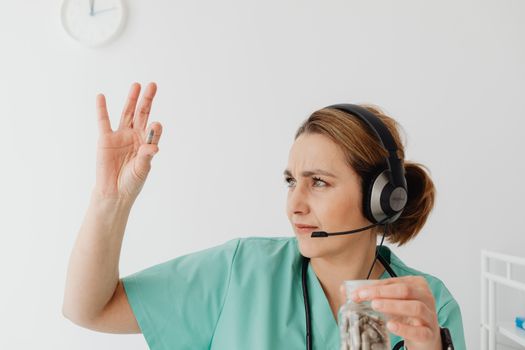
Female healthcare worker examines a capsule while wearing a headset, focusing on telemedicine. Photo: https://kaboompics.com/ / Pexels
The landscape of mental health support has undergone a profound transformation, with the advent and widespread adoption of online mental health counseling. For many, the idea of traditional in-person therapy presented numerous barriers: geographical constraints, rigid appointment schedules clashing with work or family commitments, the stigma associated with visiting a therapist's office, and often, the sheer difficulty of finding a qualified specialist in a specific area. However, the ability to book virtual therapy session online has shattered these limitations, ushering in an era of unprecedented accessibility and convenience. This paradigm shift means that individuals across the United States, from bustling urban centers to remote rural communities, can now connect with licensed mental health professionals from the privacy and comfort of their own homes. The technology underpinning this revolution is remarkably straightforward, typically involving secure video conferencing platforms that comply with strict privacy regulations like HIPAA, ensuring your sessions remain confidential and protected. One of the most significant advantages of this virtual model is its inherent flexibility. Life rarely adheres to a strict 9-to-5 schedule, and neither do mental health challenges. Online therapy platforms often offer extended hours, weekend appointments, and the ability to reschedule with relative ease, allowing individuals to integrate therapy seamlessly into their busy lives. This flexibility is particularly beneficial for those with demanding jobs, single parents, or individuals caring for elderly family members, for whom taking time off for travel to an appointment would be a significant hurdle. Furthermore, the anonymity afforded by virtual sessions can be a powerful catalyst for those who might feel apprehensive about seeking help due to societal stigma. Engaging with a therapist from a familiar environment can reduce anxiety and foster a greater sense of psychological safety, making it easier to open up and discuss sensitive topics. Beyond convenience, online therapy also expands the pool of available specialists. If you live in an area with limited mental health resources, or if you require a therapist with a very specific specialization (e.g., trauma-informed therapy, LGBTQ+ affirming care, or expertise in a particular anxiety disorder), the internet allows you to search nationwide. This means you are no longer limited to the therapists within a commutable distance but can instead choose a professional who is the best possible fit for your unique needs and preferences. This broader access to expertise ensures that individuals receive the most appropriate and effective care. Moreover, the cost-effectiveness of virtual therapy can sometimes be a factor, as therapists operating online may have lower overheads, potentially translating to more affordable session rates, or at least a wider range of pricing options. Many insurance providers have also recognized the efficacy and necessity of virtual care, with an increasing number of plans now offering coverage for online mental health services, further cementing its role as a legitimate and valuable form of treatment. To learn more about insurance coverage, explore our guide on understanding mental health insurance. The transition to virtual care isn't just about convenience; it's about democratizing access to essential mental health support, ensuring that help is always within reach.

Choosing the Right Online Therapy Platform and Therapist

A senior doctor making a telemedicine call in an office setting, discussing medical cases. Photo: Tima Miroshnichenko / Pexels
Navigating the myriad of online therapy platforms and finding the perfect therapist can seem daunting, but a structured approach can simplify the process significantly. The first step involves understanding your own needs and preferences. Are you dealing with anxiety, depression, relationship issues, or a specific life transition? Do you prefer a particular therapeutic approach, such as Cognitive Behavioral Therapy (CBT), Dialectical Behavior Therapy (DBT), or psychodynamic therapy? Consider factors like gender, cultural background, and even communication style when envisioning your ideal therapist. Many platforms allow you to filter therapists based on these criteria, making your search more targeted. Once you have a clearer picture of your needs, research different online therapy platforms. Popular options like BetterHelp, Talkspace, Amwell, and Teladoc each have unique features, pricing structures, and networks of therapists. Evaluate them based on their security protocols (HIPAA compliance is non-negotiable), user-friendliness, therapist vetting processes, and available communication methods (video, phone, chat). Some platforms offer subscription models with unlimited messaging, while others are pay-per-session. Understand what your insurance might cover – many platforms now directly bill insurance, or provide superbills for reimbursement. Don't hesitate to read reviews and compare services to find a platform that aligns with your expectations and budget. After selecting a platform, the next crucial step is to browse therapist profiles. Most platforms provide detailed bios that include their specializations, years of experience, therapeutic modalities, and even a personal statement or introductory video. Pay close attention to their licensure and credentials to ensure they are qualified to practice in your state. Look for therapists whose approach resonates with you and whose expertise directly addresses your concerns. It's perfectly acceptable, and often recommended, to schedule initial consultations with a few different therapists if the platform allows. This 'meet and greet' can help you assess rapport, which is a critical component of successful therapy. A strong therapeutic alliance, where you feel understood, respected, and comfortable, is often more important than any specific technique. During these consultations, ask questions about their experience with your specific issues, their therapeutic philosophy, and what a typical session might look like. Remember, finding the right fit is a process, not a one-time event. If after a few sessions you don't feel a strong connection or believe the therapy isn't progressing, it's okay to consider trying a different therapist, even on the same platform. The goal is to find someone who can effectively guide you on your journey towards better mental health. The ease of being able to book virtual therapy session online means you have the power to choose and adjust until you find the support that truly works for you.

Ensuring Privacy, Security, and Effectiveness in Your Virtual Sessions

Female healthcare worker uses a tablet with stethoscope outdoors in São Paulo, Brazil. Photo: Felipe Balduino / Pexels
When you book virtual therapy session online, it's natural to have questions about the privacy, security, and overall effectiveness of the experience. These are critical considerations, and understanding them can help you feel more confident and secure in your choice of care. Reputable online therapy platforms prioritize the confidentiality and security of your personal health information (PHI) above all else. They are legally mandated to comply with the Health Insurance Portability and Accountability Act (HIPAA) in the United States. This means that all communication, whether video, audio, or text, is encrypted end-to-end, preventing unauthorized access. Platforms typically utilize secure servers for storing any patient data, and therapists are trained in maintaining digital confidentiality, just as they would in an in-person setting. Before committing to a platform, always verify their HIPAA compliance and review their privacy policy to understand how your data is handled. Look for features like secure patient portals, two-factor authentication, and clear guidelines on data retention. Beyond technological safeguards, your role in maintaining privacy during sessions is also important. Choose a private, quiet space where you won't be interrupted or overheard. Using headphones can further enhance confidentiality and improve audio quality. Ensure your internet connection is stable to avoid disruptions, which can be frustrating and detract from the therapeutic process. Creating a dedicated, distraction-free environment signals to yourself and your therapist that this time is sacred and dedicated to your well-being. Concerning effectiveness, numerous studies and meta-analyses have consistently demonstrated that virtual therapy is as effective as traditional in-person therapy for a wide range of mental health conditions, including depression, anxiety disorders, PTSD, and panic disorder. For some individuals, it may even be more effective due to the increased comfort of being in one's own home, which can foster greater openness. The core components of effective therapy – the therapeutic alliance, the therapist's skill, and the client's engagement – are not diminished by the virtual format. In fact, for those with social anxiety or agoraphobia, the online environment can be less intimidating and a crucial first step towards seeking help. Therapists who practice online are often specifically trained in telehealth best practices, adapting their techniques to suit the virtual medium. They learn how to read non-verbal cues through a screen, manage technical issues, and create an engaging and supportive virtual space. It's important to recognize that while highly effective for most, virtual therapy may not be suitable for everyone. Individuals in acute crisis, those with severe mental health conditions requiring intensive supervision, or those who struggle with technology might benefit more from in-person care. However, for the vast majority, the ability to book virtual therapy session online offers a legitimate, secure, and highly effective pathway to mental wellness. For those exploring different types of care, understanding the various benefits of telepsychiatry can also provide valuable context.

Tips for a Successful Virtual Therapy Experience & Common Pitfalls to Avoid
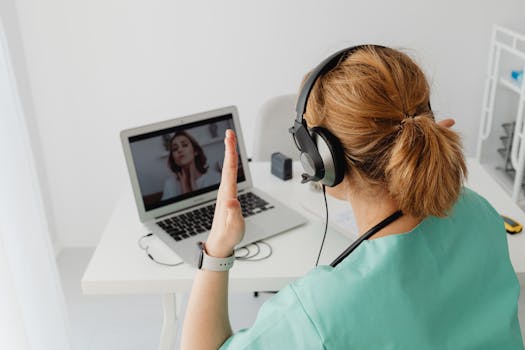
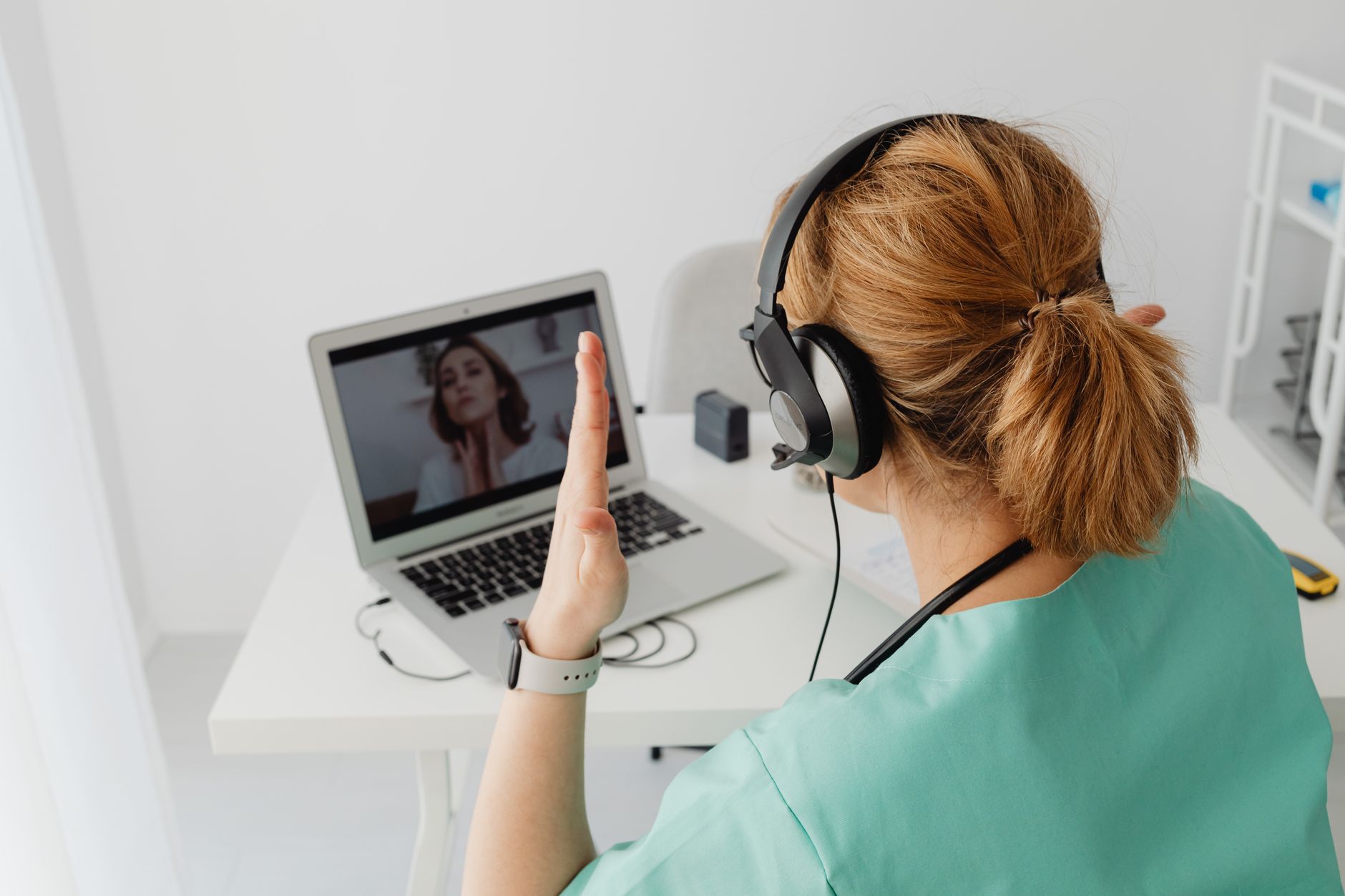
A female doctor engaged in a video call consultation with a patient on a laptop. Photo: https://kaboompics.com/ / Pexels
To maximize the benefits when you book virtual therapy session online, a few proactive steps can significantly enhance your experience. Firstly, create a dedicated and comfortable space for your sessions. This means finding a quiet room where you won't be interrupted, ensuring good lighting, and having a stable internet connection. Using headphones can improve audio clarity and further ensure your privacy. Treat your virtual appointment with the same respect as an in-person one; avoid multitasking, checking your phone, or having distractions in your environment. Secondly, prepare for your sessions. Before each meeting, take a few minutes to reflect on what you want to discuss. What challenges have you faced since the last session? What insights have you gained? What specific goals do you have for the upcoming session? Jotting down notes can help you stay focused and make the most of your limited time with your therapist. Also, ensure your device is fully charged or plugged in, and test your camera and microphone a few minutes before the session begins to avoid technical delays. Thirdly, be open and honest with your therapist. The effectiveness of therapy hinges on your willingness to share your thoughts, feelings, and experiences candidly. Don't be afraid to discuss any discomforts or concerns you have about the virtual format itself. A good therapist will be receptive to your feedback and work with you to optimize the experience. **Common Pitfalls to Avoid:** * **Poor Internet Connection:** A choppy connection can disrupt the flow of conversation and make it difficult to communicate effectively. Test your internet strength beforehand. * **Lack of Privacy:** Conducting a session in a public place or where others can overhear undermines confidentiality and your ability to open up. * **Distractions:** Notifications, other open tabs, or background noise can pull your focus away from the session and diminish its impact. * **Not Setting Boundaries:** Inform household members you are unavailable during your session time to prevent interruptions. * **Expecting Instant Fixes:** Therapy is a process, not a magic bullet. Be patient with yourself and the therapeutic journey. * **Not Communicating Issues:** If you're unhappy with your therapist or the platform, communicate your concerns. Don't suffer in silence. * **Ignoring Self-Care:** Therapy is part of a larger self-care routine. Continue to prioritize sleep, nutrition, exercise, and social connections. By being mindful of these tips and pitfalls, you can ensure that your virtual therapy experience is as productive and supportive as possible, leading to meaningful progress in your mental health journey.

Comparison

FeatureOnline TherapyIn-Person TherapySelf-Help Apps
ConvenienceHighLowVery High
AccessibilityHigh (nationwide)Limited (local)High (global)
Therapist MatchBroad selectionLocal selectionN/A
ConfidentialitySecure platformsPrivate officeVaries by app
Effectiveness✓ (for many)✓ (traditional)✗ (supplementary)
CostOften competitiveCan be higherLow/Free
FlexibilityHighLowHigh
Crisis SupportLimited (not for emergencies)Available (if clinic offers)N/A

What Readers Say

"I was hesitant to book a virtual therapy session online, but it's been a game-changer. My therapist is amazing, and I love being able to have my sessions from home without the commute. It fits perfectly into my busy schedule."

Sarah J. · Austin, TX

"Finding a therapist specialized in my specific anxiety was tough locally. Being able to book virtual therapy session online opened up so many more options. I found the perfect match and have made significant progress."

Michael R. · Chicago, IL

"My mental health has improved dramatically since I started online therapy. The platform was easy to use, and my therapist truly listens and provides actionable strategies. I highly recommend anyone to book virtual therapy session online."

Emily D. · Denver, CO

"Overall, a very positive experience. I appreciate the flexibility and comfort of virtual sessions. Sometimes I miss the in-person connection, but the convenience usually outweighs that. It's a great option for consistent support."

David L. · Miami, FL

"As a busy mom, getting to appointments used to be impossible. Now I can book virtual therapy session online during nap time or after the kids are asleep. It's made mental health care accessible for me, finally."

Jessica M. · Seattle, WA

Frequently Asked Questions

What exactly does it mean to book a virtual therapy session online?

To book a virtual therapy session online means scheduling and attending therapy appointments with a licensed mental health professional via secure video conferencing, phone calls, or sometimes even text-based communication, all conducted remotely over the internet. It allows you to receive professional mental health support from anywhere with an internet connection, eliminating the need for in-person visits to a therapist's office.

Is online therapy as confidential and secure as in-person therapy?

Yes, reputable online therapy platforms are legally required to be HIPAA compliant in the US, meaning they use end-to-end encryption and secure servers to protect your personal health information and session content. Therapists are also trained in maintaining digital confidentiality, ensuring your privacy is as protected as it would be in a traditional office setting, provided you choose a private space for your session.

How do I find the right therapist when I book virtual therapy session online?

Start by identifying your specific needs and preferences (e.g., type of therapy, therapist's gender, specialization). Then, choose a reputable online platform, browse therapist profiles, and read their bios and specializations. Many platforms offer introductory consultations, allowing you to speak with a few therapists before committing to find the best fit for your needs and personality.

How much does it cost to book a virtual therapy session online, and is it covered by insurance?

The cost of virtual therapy varies widely depending on the platform, therapist's qualifications, and session length, typically ranging from $60 to $250 per session. Many online platforms now accept insurance, and an increasing number of insurance plans cover virtual mental health services. It's best to check with your insurance provider directly or inquire with the online platform about coverage and potential co-pays.

How does online therapy compare to traditional in-person therapy?

Online therapy offers greater convenience, flexibility, and broader access to specialists, often proving as effective as in-person therapy for many conditions like anxiety and depression. While some may prefer the direct physical presence of in-person sessions, online therapy removes geographical barriers and can reduce stigma, making mental health care more accessible to a wider population.

Who should consider to book virtual therapy session online?

Anyone facing mental health challenges such as anxiety, depression, stress, relationship issues, or grief can consider online therapy. It's particularly beneficial for individuals with busy schedules, limited mobility, those living in rural areas with few local therapists, or anyone who prefers the comfort and privacy of receiving care from their own home.

Are there any risks or limitations to booking virtual therapy session online?

While generally safe and effective, virtual therapy may not be suitable for severe mental health crises or individuals requiring immediate, intensive care. Technical issues like unstable internet can sometimes disrupt sessions. It's crucial to have a crisis plan in place and know local emergency resources, as online therapists are not equipped for immediate intervention in acute emergencies.

What are the future trends for online mental health services?

The future of online mental health services is expected to see continued growth, integration with AI-powered tools for support and personalized insights, and an expansion of specialized virtual programs. We can anticipate more hybrid care models, increased insurance coverage, and further advancements in secure, user-friendly telehealth technologies, making mental health support even more integrated into daily life.

Don't let distance or scheduling conflicts stand between you and your mental well-being. Take the proactive step to book a virtual therapy session online today and embark on a path to a healthier, happier you. Your journey to accessible, convenient, and effective mental health support starts now.

Topics: book virtual therapy session onlineonline mental health counselingtelehealth therapy appointmentsvirtual counseling servicesremote therapy booking
Leo List

DK Escorts LU Escorts AT Escorts SE Escorts FI Escorts CH Escorts DE Escorts HR Escorts IE Escorts GR Escorts CZ Escorts NO Escorts BE Escorts FR Escorts SI Escorts IL Escorts NL Escorts PL Escorts HU Escorts ES Escorts IT Escorts PT Escorts SK Escorts RO Escorts ZA Escorts UY Escorts US Escorts UK Escorts NZ Escorts AU Escorts
Brampton weed
Adultwork EstrelaBet Vai de Bet R7 Bet Betão Galera Bet Rainbet Bet9ja Shop SportyBet BetKing Sisal Loto Foot Hollywoodbets YesPlay Odibets RushBet Jugabet BetWarrior BetCity MSport betPawa Fortebet