

How to Buy a Medical Alert System for Seniors: A Complete Guide

Elderly man with glasses using a tablet for telehealth consultation at home.Photo: Tima Miroshnichenko / Pexels

How to Buy a Medical Alert System for Seniors: A Complete Guide

Discover essential insights to choose the perfect medical alert system, ensuring safety and independence for your loved ones.

Find Your System Now

Key Takeaways

  • ✓ Medical alert systems provide 24/7 access to emergency help with a push of a button.
  • ✓ Many systems offer automatic fall detection, adding a crucial layer of safety.
  • ✓ Mobile options allow seniors to maintain safety and independence both at home and on the go.
  • ✓ Costs vary based on features, monitoring plans, and equipment purchases versus rentals.

How It Works

1
Activate the Alarm

A senior presses a button on their device (pendant, watch, or base unit) or a fall is automatically detected. This action instantly connects them to a monitoring center.

2
Connect to Monitoring Center

A trained emergency operator receives the alert and communicates with the senior through the device's two-way speaker. They assess the situation and determine the necessary response.

3
Dispatch Help

Based on the assessment, the operator dispatches appropriate help. This could be emergency services (paramedics, police, fire) or a designated family member or neighbor, depending on the situation and pre-set instructions.

4
Follow-Up & Support

Many services offer follow-up calls to ensure the senior is safe after an incident. This comprehensive support provides peace of mind for both the user and their family.

Understanding the Need: Why Buy a Medical Alert System for Seniors?

Elderly couple enjoying a relaxed afternoon indoors, smiling together.Photo: RDNE Stock project / Pexels
As our loved ones age, maintaining their independence while ensuring their safety becomes a paramount concern. The decision to buy a medical alert system for seniors is often driven by a desire to provide peace of mind for both the individual and their family. These systems, also known as Personal Emergency Response Systems (PERS), offer a crucial safety net, allowing seniors to live independently in their homes longer and with greater confidence. The primary benefit lies in the immediate access to help during emergencies, whether it's a fall, a sudden medical issue, or even a home invasion. For many seniors, the fear of falling and being unable to call for help is a significant source of anxiety. A medical alert system directly addresses this fear, offering a direct line to assistance 24 hours a day, 7 days a week. It's not just about falls; it's about any situation where immediate aid is required, from a severe allergic reaction to a stroke, or even just feeling unwell and needing someone to check in. The psychological benefit of knowing help is always just a button-press away is immense, reducing stress and promoting a more active, independent lifestyle. Family members, often juggling their own responsibilities, gain significant reassurance from these systems. They know that even when they can't be physically present, their loved one has a reliable means of communication in an emergency. This can alleviate the constant worry and allow families to focus on quality time rather than perpetual concern. Choosing to buy a medical alert system for seniors is a proactive step towards enhancing safety, preserving dignity, and extending the period of independent living. It's an investment in well-being, offering a practical solution to common challenges faced by the elderly. The market offers a wide array of options, from simple at-home units to sophisticated mobile devices with advanced features like GPS tracking and automatic fall detection, catering to diverse needs and lifestyles. Understanding these options is the first step in making an informed decision that truly benefits your senior loved one. This guide will help you navigate the complexities and make the best choice to ensure their safety and peace of mind.

Types of Medical Alert Systems: Finding the Right Fit

Happy senior couple strolling along a park path on a pleasant spring day.Photo: Radik 2707 / Pexels
When you decide to buy a medical alert system for seniors, you'll quickly discover a variety of types, each designed to cater to different lifestyles and needs. Understanding these categories is crucial to selecting the most appropriate system. The main types include In-Home Systems, Mobile Systems, and Hybrid Systems. **In-Home Systems:** These are the traditional medical alert systems, primarily designed for use within the home. They typically consist of a base unit that connects to a landline or cellular network and a wearable pendant or wristband. The base unit has a powerful two-way speaker, allowing the senior to communicate with the monitoring center from various rooms. The wearable device usually has a range that covers the entire home and often a portion of the yard. These systems are ideal for seniors who spend most of their time at home and do not frequently travel or venture far from their residence. They are generally the most affordable option, making them a popular choice for those on a budget. Their simplicity of use is also a major advantage, as there are fewer features to learn, making them very accessible for individuals who may be less tech-savvy. Many in-home systems also offer waterproof pendants, allowing them to be worn in the shower or bath, where a significant number of falls occur. **Mobile Systems:** For seniors who maintain an active lifestyle, frequently leave their home, or even travel, a mobile medical alert system is often the best choice. These systems incorporate GPS technology, allowing operators to pinpoint the user's location in an emergency, regardless of where they are. They typically come as a small, portable device, often worn as a pendant or carried in a pocket. Unlike in-home systems, they don't rely on a base unit and operate entirely on a cellular network. This means the senior is protected whether they are at the grocery store, visiting friends, or enjoying a walk in the park. Mobile systems are particularly beneficial for those who live alone and are out and about frequently, or for individuals who live in rural areas where a landline might not be consistently reliable. While generally more expensive than in-home systems, the enhanced freedom and pervasive safety they offer are invaluable for many families. **Hybrid Systems:** As the name suggests, hybrid systems combine the best features of both in-home and mobile units. They usually include a base unit for home use, providing the reliability and range of a traditional system, along with a mobile device for when the senior is away from home. This offers comprehensive protection, ensuring safety both inside and outside the residence. These systems are an excellent choice for seniors who want the robust coverage of an in-home system coupled with the freedom and security of a mobile device. They offer the ultimate peace of mind, knowing that help is always accessible, no matter the location. While these systems may represent a higher investment, the versatility and extensive coverage they provide often justify the cost for families seeking the most comprehensive safety solution. When you buy a medical alert system for seniors, considering their daily routine and activity level will guide you towards the most suitable system type.

Key Features to Look For When You Buy a Medical Alert System for Seniors
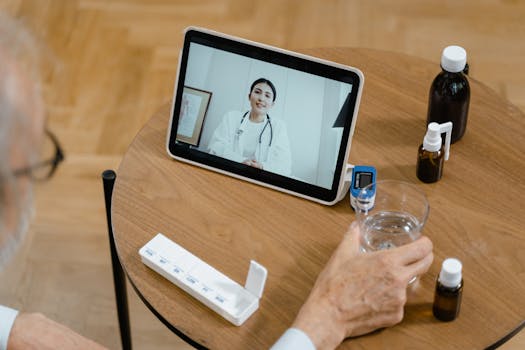
Senior adult having a virtual doctor consultation on a tablet with medications on the table.Photo: Tima Miroshnichenko / Pexels
When you're ready to buy a medical alert system for seniors, understanding the array of features available is critical to making an informed decision. Not all systems are created equal, and the 'best' system is ultimately the one that best meets the specific needs and lifestyle of the senior in question. Here are the essential features to consider: **Automatic Fall Detection:** This is arguably one of the most significant advancements in medical alert technology. Fall detection sensors, usually built into the wearable pendant, can automatically detect a sudden change in motion and impact, signaling a potential fall. If a fall is detected and the senior is unable to press their button, the system will automatically alert the monitoring center. This feature is invaluable, especially for seniors at high risk of falls or those who might become disoriented or unconscious after a fall. It adds a crucial layer of protection, ensuring help is dispatched even if the senior cannot manually activate the alarm. It's important to note that while highly effective, no fall detection system is 100% foolproof, and false alarms can occasionally occur. **GPS Tracking:** Primarily found in mobile and hybrid systems, GPS tracking allows monitoring center operators to pinpoint the user's exact location during an emergency. This is indispensable for seniors who are active outside the home or for those who may wander or become disoriented due to conditions like dementia. In an emergency, first responders can be directed precisely to the senior's location, even if the senior is unable to communicate their whereabouts. This feature offers immense peace of mind for family members, knowing their loved one can be found quickly if needed. **Two-Way Communication:** This feature enables the senior to speak directly with the emergency operator through the wearable device or base unit. Clear, high-quality two-way communication is vital for the operator to assess the situation and for the senior to explain what's happening. Many systems now offer powerful speakers and sensitive microphones to facilitate this, even from across a room. Ensure the system you choose provides robust audio quality for effective communication. **Waterproof Devices:** Given that many falls occur in bathrooms, having a waterproof pendant or wristband is a non-negotiable feature. This ensures the senior can wear their device while showering or bathing, providing continuous protection in high-risk areas. Always verify that the wearable device is genuinely waterproof, not just water-resistant. **Battery Life:** For mobile units, long battery life is essential. You don't want the device to run out of power when it's most needed. Look for systems with batteries that last for several days on a single charge, and ensure there are clear indicators for low battery warnings. For in-home systems, the base unit usually plugs into an outlet, but it should have a backup battery in case of power outages. **Monitoring Center Quality:** The technology is only as good as the people behind it. Inquire about the monitoring center's certifications (e.g., UL Listed, TMA Five Diamond), operator training, and average response times. A reputable monitoring center will have highly trained, compassionate operators available 24/7. This is a critical component to ensure effective emergency response. **Installation and Setup:** Some systems are self-installable, while others might require professional setup. Consider the ease of installation and whether technical support is readily available if needed. Many systems are designed for simple plug-and-play setup, making them accessible even for those who aren't tech-savvy. **Customer Service and Support:** Good customer service is paramount. Look for companies with responsive technical support, clear billing practices, and easy-to-understand contracts. Read reviews about their customer service experience before committing. By carefully evaluating these features, you can confidently buy a medical alert system for seniors that provides the optimal level of safety and independence for your loved one.

Cost Considerations and Avoiding Common Mistakes When Buying a Medical Alert System
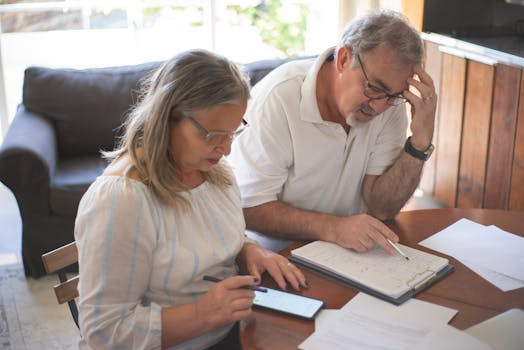
Elderly couple reviewing bills and documents at home, focusing on finances and technology.Photo: Kampus Production / Pexels
Understanding the financial aspects and potential pitfalls is crucial when you buy a medical alert system for seniors. The total cost typically involves initial equipment fees and ongoing monthly monitoring fees. Being aware of these components and common mistakes can save you money and ensure you get the best value and protection. **Cost Considerations:** * **Equipment Fees:** Some providers require you to purchase the equipment outright, while others offer it as part of a rental agreement, often included in the monthly fee. Upfront costs can range from $0 to several hundred dollars, especially for advanced mobile units or systems with fall detection. Evaluate whether purchasing or renting makes more sense for your long-term needs. * **Monthly Monitoring Fees:** This is the recurring cost for 24/7 access to the monitoring center. Fees typically range from $20 to $60 per month, varying based on the system type (in-home vs. mobile), features included (e.g., fall detection, GPS), and the provider. Look for transparent pricing with no hidden fees. * **Activation Fees:** Some companies charge a one-time activation fee to set up your service. Ensure you inquire about this upfront. * **Cancellation Policies:** Understand the contract terms, including any minimum commitment periods and cancellation fees. Some offer month-to-month plans, while others require longer contracts. * **Discounts:** Ask about potential discounts for annual payments, AARP members, veterans, or bundling services. **Common Mistakes to Avoid:** 1. **Not Testing the System Regularly:** Once installed, it's vital to test the system monthly to ensure it's functioning correctly. Many providers encourage this and have specific procedures for testing without dispatching emergency services. 2. **Ignoring Battery Life:** Especially for mobile devices, neglecting to regularly charge the battery can render the system useless in an emergency. Establish a routine for charging. 3. **Not Updating Emergency Contacts:** Life changes, and so do contact numbers. Ensure your loved one's emergency contact list with the monitoring center is always current. 4. **Choosing a System Without Adequate Range:** For in-home systems, ensure the wearable device works throughout the entire home, including the yard and garage. Test the range during setup. 5. **Overlooking Waterproofing:** As mentioned, many falls occur in bathrooms. A non-waterproof device leaves a critical safety gap. Always opt for waterproof wearables. 6. **Not Considering the Senior's Lifestyle:** A sedentary senior who rarely leaves home has different needs than an active one. Matching the system type (in-home vs. mobile) to their lifestyle is crucial. 7. **Failing to Read the Fine Print:** Understand all terms, conditions, cancellation policies, and warranty information before signing up. 8. **Choosing a Provider with Poor Reputation:** Research customer reviews and ratings for responsiveness, reliability, and customer service. A cheap system from an unreliable provider is no bargain in an emergency. Always prioritize peace of mind. By being diligent in these areas, you can confidently buy a medical alert system for seniors that offers robust protection without unnecessary financial burdens or operational disappointments.

Comparison

FeatureBest Overall (Mobile + Fall Detect)Budget-Friendly (In-Home)Active Senior (Mobile Only)
Monthly Cost Range$35 - $60$20 - $40$30 - $50
Equipment FeeOften $0-$150Often $0Often $0-$100
Fall DetectionOptional (add-on)
GPS Tracking
Use LocationHome & AwayHome OnlyAway Only
Battery Life (Wearable)2-5 daysUp to 5 years (pendant)2-5 days
Two-Way CommunicationDevice or Base UnitBase Unit & PendantDevice
Waterproof Device

What Our Readers Say

5 ★★★★★

"Buying a medical alert system for my mother was the best decision. The fall detection feature has already saved her once when she slipped in the bathroom and couldn't get up. The response was incredibly fast."

5 ★★★★★

"We chose a mobile system for my dad because he's still very active. Knowing he has GPS tracking and 24/7 help when he's out golfing or at the community center gives us immense peace of mind. It was easy to buy and set up."

5 ★★★★★

"After researching extensively, we decided to buy a medical alert system for my grandmother. The peace of mind for our entire family is invaluable. She feels more confident knowing help is just a button away, and we've noticed her anxiety about being alone has significantly decreased."

4 ★★★★☆

"The in-home system we purchased for my aunt works well, and the monthly cost is reasonable. My only minor critique is the range of the pendant in the backyard is a bit limited, but for inside the house, it's perfect and offers great value."

5 ★★★★★

"My husband has a complex medical condition, and we needed a reliable solution. The hybrid system we chose allows him to be safe both at home and during his doctor's appointments. It truly empowers him to maintain his independence without constant worry."

Frequently Asked Questions

What is the average cost to buy a medical alert system for seniors?
The average cost to buy a medical alert system for seniors typically ranges from $20 to $60 per month for monitoring fees, plus potential upfront equipment costs from $0 to $300. This variability depends on the system type (in-home vs. mobile), advanced features like fall detection or GPS, and whether equipment is purchased or rented. Always inquire about all fees upfront to avoid surprises.
Are medical alert systems truly reliable for emergencies?
Yes, reputable medical alert systems are designed for high reliability in emergencies. They use robust technology, often with cellular backups, and are monitored by certified, 24/7 emergency response centers. While no system is 100% foolproof, their track record for connecting seniors to help quickly is well-established, significantly enhancing safety and peace of mind.
How do I choose between an in-home and a mobile medical alert system?
To choose between an in-home and a mobile system, consider the senior's lifestyle. If they spend most of their time at home and rarely venture out, an in-home system is usually sufficient and more affordable. If they are active, frequently leave the house, or travel, a mobile system with GPS tracking is essential to ensure protection wherever they go. Hybrid options offer both.
Are there any hidden fees when I buy a medical alert system for seniors?
While most reputable companies are transparent, some providers might have hidden fees such as activation fees, equipment upgrade fees, or charges for canceling early. Always read the contract carefully, ask for a complete breakdown of all potential costs, and inquire about cancellation policies and any minimum commitment periods before signing up to buy a medical alert system for seniors.
Can a medical alert system replace a caregiver?
No, a medical alert system cannot fully replace a caregiver. While it provides immediate access to emergency help and significantly enhances a senior's safety and independence, it does not offer the personal care, companionship, or daily assistance that a human caregiver provides. It should be seen as a complementary tool to support independent living, not a substitute for human interaction and care.
Who should consider buying a medical alert system for seniors?
Anyone concerned about a senior's safety and ability to get help in an emergency should consider buying a medical alert system. This includes seniors who live alone, those with a history of falls, individuals with chronic medical conditions, or anyone who desires more independence and peace of mind for themselves or their loved ones. It's an excellent solution for proactive safety.
What if the senior accidentally presses the button?
If the senior accidentally presses the button, they can simply inform the monitoring center operator that it was a false alarm. Operators are trained to handle these situations calmly and will usually confirm the senior's well-being before closing the call. Most systems also allow for a brief window to cancel the alert if it's pressed by mistake, ensuring no unnecessary dispatches.
Will medical alert systems become obsolete with smart home technology?
While smart home technology is advancing, dedicated medical alert systems offer specialized, 24/7 human monitoring and direct emergency dispatch that general smart home devices typically lack. They are specifically designed for critical emergency response, not just convenience. While smart home integration may enhance future systems, dedicated medical alert services will likely remain crucial for specialized senior safety.

Making the decision to buy a medical alert system for seniors is a profound step towards ensuring their safety, independence, and your family's peace of mind. By carefully considering the types of systems, essential features, and cost factors, you can confidently select the perfect solution. Empower your loved ones with the security they deserve today.

Topics: buy medical alert system for seniorssenior safety devicesbest medical alert systemsmedical alert for elderlypersonal emergency response systems
Leo List
Brampton weed
Adultwork