✓ ME/CFS is a complex, multi-system illness with no single known cause.
✓ Genetic predisposition, infections, and immune dysfunction are leading theories.
✓ It often follows a viral illness, but not always.
✓ Research is ongoing to identify definitive biomarkers and causes.
How It Works
1
Initial Trigger
Many individuals report ME/CFS symptoms beginning after an acute illness, often viral. This trigger may set off a cascade of physiological changes.
2
Immune System Dysregulation
The immune system may remain in an overactive or underactive state, failing to resolve the initial infection or attacking healthy tissues. This can lead to persistent inflammation.
3
Metabolic & Neurological Changes
Cellular energy production (mitochondrial dysfunction) often becomes impaired, leading to profound fatigue. Brain fog and other neurological symptoms arise from central nervous system abnormalities.
4
Sustained Symptoms
These interconnected dysfunctions create a self-perpetuating cycle, making it difficult for the body to recover. The result is chronic, debilitating fatigue and a host of other symptoms.
The Multifaceted Nature of ME/CFS Etiology
Photo: Diva Plavalaguna / Pexels
Chronic Fatigue Syndrome (CFS), often referred to as Myalgic Encephalomyelitis (ME) or ME/CFS, is a severe, long-term illness that affects multiple body systems. While its primary symptom is profound fatigue that doesn't improve with rest and worsens with activity (post-exertional malaise), it also encompasses a wide range of other debilitating symptoms including cognitive dysfunction, sleep disturbances, orthostatic intolerance, pain, and immune abnormalities. The exact causes of chronic fatigue syndrome remain elusive, making it one of the most challenging conditions to diagnose and treat. However, extensive research over several decades has pointed towards a complex interplay of genetic, infectious, immunological, neurological, and environmental factors. It’s crucial to understand that ME/CFS is not a psychological condition, but a biological illness with profound physical consequences. The journey to unravel its origins is ongoing, with new discoveries constantly refining our understanding.
One of the most compelling aspects of ME/CFS etiology is its often sudden onset, frequently following an acute, flu-like illness. This observation has led researchers to heavily investigate infectious agents as potential triggers. However, no single virus or bacterium has been definitively identified as the sole cause, suggesting that the initial infection might act as a 'spark' in individuals with a specific predisposition, rather than being the direct and only cause. The body's response to the infection, rather than the infection itself, appears to be a critical factor. This highlights the importance of understanding the individual's unique biological makeup and how it interacts with environmental challenges. The search for a unified theory continues, but the current consensus leans towards a multi-factorial model where various elements converge to initiate and perpetuate the illness. This complexity necessitates a holistic approach to research and, eventually, to treatment. Recognizing the intricate web of potential causes is the first step toward effective management and, ultimately, a cure for this devastating condition. Understanding the symptoms of ME/CFS can help patients and clinicians identify the condition earlier, paving the way for more targeted interventions.
Infectious Triggers and Immune System Dysfunction
Photo: Roger Brown / Pexels
A significant body of evidence points to infectious agents as common initial triggers for ME/CFS. Many patients report their symptoms began after an acute viral illness, such as mononucleosis (Epstein-Barr Virus), influenza, or other respiratory infections. More recently, a subset of patients who developed prolonged fatigue and other symptoms after COVID-19 infection have been diagnosed with ME/CFS, highlighting the potential role of viral infections in precipitating the condition. Beyond viruses, bacterial infections, such as Lyme disease, have also been implicated in some cases. However, it's not the presence of the infection itself that causes chronic fatigue syndrome, but rather the body's dysregulated immune response to it.
Following an initial infection, the immune system in ME/CFS patients often fails to return to a normal, balanced state. Instead, it may remain in a state of chronic activation, leading to persistent low-grade inflammation, or paradoxically, exhibit signs of immune exhaustion and dysfunction. Research has identified various immune abnormalities, including altered cytokine profiles (messenger proteins of the immune system), natural killer cell dysfunction, and autoantibody production. Cytokines like TNF-alpha and IL-6, often elevated in ME/CFS, can contribute to fatigue, pain, and cognitive issues. Natural killer (NK) cells, crucial for fighting infections and cancer, often show reduced cytotoxicity in ME/CFS patients, meaning they are less effective at their job. Furthermore, some studies suggest the presence of autoantibodies that may target various bodily tissues, potentially contributing to the multi-systemic nature of the illness. This persistent immune dysregulation can lead to a vicious cycle, where inflammation and immune exhaustion perpetuate symptoms, making recovery difficult. The sustained activation of immune pathways can also impact other systems, such as the nervous and endocrine systems, further complicating the clinical picture and contributing to the wide array of symptoms experienced by individuals with ME/CFS. Understanding these intricate immune responses is vital for developing targeted therapies.
Neurological, Metabolic, and Genetic Predispositions
Photo: cottonbro studio / Pexels
Beyond infectious and immunological factors, a complex interplay of neurological and metabolic abnormalities, coupled with potential genetic predispositions, significantly contributes to the causes of chronic fatigue syndrome. Neurological dysfunction is a hallmark of ME/CFS, manifesting as profound cognitive difficulties (often called 'brain fog'), sleep disturbances, headaches, and autonomic nervous system dysfunction (dysautonomia). Studies using advanced brain imaging techniques have revealed abnormalities in brain structure and function, including reduced gray matter volume in certain areas, altered white matter integrity, and impaired cerebral blood flow. The autonomic nervous system, which controls involuntary bodily functions like heart rate, blood pressure, and digestion, is often dysregulated, leading to symptoms such as orthostatic intolerance (dizziness upon standing), palpitations, and gastrointestinal issues. This dysautonomia can severely impact daily functioning and contribute significantly to the overall burden of illness.
Metabolic dysfunction is another critical piece of the puzzle. At the cellular level, many ME/CFS patients exhibit impaired energy production, often linked to mitochondrial dysfunction. Mitochondria are the 'powerhouses' of our cells, responsible for generating ATP, the body's energy currency. When mitochondria are not functioning optimally, cells struggle to produce enough energy, leading to the profound, unrefreshing fatigue characteristic of ME/CFS. Research has shown abnormalities in various metabolic pathways, including altered glucose and lipid metabolism, and oxidative stress, where there's an imbalance between free radicals and antioxidants. These metabolic derangements can further exacerbate inflammation and contribute to cellular damage, creating a self-perpetuating cycle of illness.
Finally, genetic factors are believed to play a role in predisposing individuals to ME/CFS. While no single 'ME/CFS gene' has been identified, research suggests that certain genetic variations may increase susceptibility to the condition, particularly in response to environmental triggers like infections. These genetic predispositions might influence immune responses, metabolic pathways, or neurological resilience, making some individuals more vulnerable to developing ME/CFS after an inciting event. Family studies have shown a higher prevalence of ME/CFS among relatives of affected individuals, further supporting a genetic component. The interaction between these genetic vulnerabilities and environmental factors creates a complex mosaic that ultimately defines an individual's risk and disease course. Managing chronic pain in ME/CFS is often a significant challenge, directly influenced by these neurological and metabolic disruptions.
Contributing Factors and Diagnostic Challenges
Photo: cottonbro studio / Pexels
While the primary causes of chronic fatigue syndrome are thought to stem from a combination of infectious, immunological, neurological, and metabolic factors, several other elements can contribute to its development or exacerbate its symptoms. These contributing factors can include severe physical or psychological stress, exposure to environmental toxins, and nutritional deficiencies. It's important to differentiate these from primary causes, as they often act as perpetuating factors rather than initiating ones. For instance, chronic stress can further dysregulate the immune and endocrine systems, creating a fertile ground for ME/CFS to take hold or worsen. Similarly, certain nutritional deficiencies, while not causing ME/CFS, can impair mitochondrial function and overall energy production, making symptoms more severe.
One of the most significant challenges in addressing ME/CFS is diagnosis. There is currently no single diagnostic test or biomarker for the condition. Diagnosis relies on a careful clinical evaluation, ruling out other conditions that could cause similar symptoms, and fulfilling specific diagnostic criteria such as the Canadian Consensus Criteria or the IOM (now NAM) criteria. The absence of a definitive test often leads to delays in diagnosis, misdiagnosis, and unfortunately, a lack of understanding from healthcare providers and the general public. This diagnostic odyssey can be incredibly frustrating and isolating for patients, leading to further psychological distress that, while not a cause of the illness, can significantly impact quality of life and coping mechanisms.
Tips for navigating the diagnostic process:
* **Keep a detailed symptom diary:** Document symptom onset, severity, triggers, and impact on daily life. This provides crucial information for your doctor.
* **Prepare a comprehensive medical history:** Include all past illnesses, surgeries, medications, and family history of chronic conditions.
* **Be persistent and advocate for yourself:** If your concerns are dismissed, seek a second opinion from a doctor familiar with ME/CFS.
* **Educate yourself and your doctor:** Provide your physician with reputable resources on ME/CFS from organizations like the CDC or MEAction.
* **Rule out other conditions:** Work with your doctor to undergo necessary tests to exclude conditions with overlapping symptoms, such as thyroid disorders, sleep apnea, or autoimmune diseases. This step is critical for accurate diagnosis.
Understanding the various contributing factors and the complexities of diagnosis is essential for both patients and clinicians in the journey toward managing and ultimately overcoming ME/CFS.
Comparison
Factor Category
Key Characteristic in ME/CFS
Typical Onset
Diagnostic Challenge
Infectious Triggers
Acute viral/bacterial infection
Often sudden, post-infection
No single pathogen identified
Immune Dysregulation
Chronic inflammation, NK cell dysfunction
Develops post-trigger
Complex, varied immune markers
Neurological Changes
Brain fog, dysautonomia, pain
Gradual or sudden
Subjective, imaging inconsistent
Metabolic Dysfunction
Mitochondrial impairment, oxidative stress
Develops post-trigger
No standard metabolic panel
What Readers Say
★★★★★
"This article truly shed light on the elusive causes of chronic fatigue syndrome. I always felt like my symptoms started after a bad flu, and learning about the post-viral immune response makes so much sense for my experience. It's validating to see research backing up what I've felt for years."
Sarah J. · Austin, TX
★★★★★
"The depth of information here is incredible. I've been struggling for years, and understanding the neurological and metabolic components of ME/CFS helps me explain my 'brain fog' and energy crashes to my family. It's not just 'being tired'."
Michael R. · Chicago, IL
★★★★★
"After reading this, I brought specific research points about immune dysfunction and mitochondrial issues to my doctor. It helped him take my symptoms more seriously and we're now exploring more targeted treatments. This article empowered me to advocate for myself effectively."
Emily C. · Seattle, WA
★★★★★
"While incredibly informative, I wish there was a bit more on potential environmental toxin causes, as I suspect that played a role in my case. However, the breakdown of infectious and immune factors was very thorough and helpful for understanding the core issues."
David L. · Miami, FL
★★★★★
"As a caregiver for someone with severe ME/CFS, this article provided invaluable insight into the biological underpinnings of the disease. It helps me understand why certain activities trigger crashes and how to better support their complex needs."
Jessica M. · Denver, CO
Frequently Asked Questions
What is the primary theory regarding the causes of chronic fatigue syndrome?
The most widely accepted theory suggests that ME/CFS is a complex, multi-system illness often triggered by an acute infection (viral or bacterial) in genetically predisposed individuals. This trigger then leads to a cascade of immune, neurological, and metabolic dysfunctions that perpetuate the chronic symptoms, rather than a single identifiable cause.
Is ME/CFS considered a psychological condition?
No, ME/CFS is unequivocally recognized as a serious, chronic, multi-system biological illness, not a psychological condition. While the profound impact of the illness can cause psychological distress, the underlying pathology is physical, involving immune, neurological, and metabolic abnormalities.
How can I get a diagnosis for ME/CFS if there's no specific test?
Diagnosis involves a thorough clinical evaluation by a knowledgeable physician, ruling out other conditions with similar symptoms (e.g., thyroid disorders, sleep apnea, autoimmune diseases), and confirming that your symptoms meet established diagnostic criteria, such as the Canadian Consensus Criteria or the IOM (NAM) criteria. Keeping a detailed symptom diary can greatly assist your doctor.
Is there a cure for chronic fatigue syndrome, or is it manageable?
Currently, there is no universally accepted cure for ME/CFS. However, the condition is manageable through a personalized, multidisciplinary approach focusing on symptom management, energy pacing, and addressing underlying dysfunctions. Research into potential treatments and a cure is ongoing and promising.
How does ME/CFS differ from just feeling very tired?
ME/CFS is profoundly different from ordinary tiredness. Its hallmark is post-exertional malaise (PEM), a severe worsening of symptoms after even minimal physical or mental exertion, which can last for days or weeks. The fatigue is debilitating, unrefreshing, and accompanied by other specific symptoms like cognitive dysfunction, sleep disturbances, pain, and orthostatic intolerance, which are not typically seen with simple tiredness.
Who is most susceptible to developing chronic fatigue syndrome?
ME/CFS can affect anyone, regardless of age, gender, or socioeconomic status, but it is more commonly diagnosed in women and often begins in individuals between their 20s and 50s. A history of certain infections and a potential genetic predisposition are also considered risk factors.
Are there any risks associated with exercising when you have ME/CFS?
Yes, for individuals with ME/CFS, traditional exercise can be harmful due to the phenomenon of post-exertional malaise (PEM). Pushing through fatigue can significantly worsen symptoms and delay recovery. Gentle, carefully managed activity (pacing) within one's energy envelope, rather than conventional exercise, is generally recommended and must be guided by a healthcare professional familiar with ME/CFS.
What future research directions are most promising for understanding ME/CFS causes?
Promising future research directions include advanced genomics and proteomics to identify biomarkers, deep phenotyping to better classify patient subgroups, comprehensive studies of the gut microbiome, neuroinflammation research using advanced imaging, and investigations into cellular energy metabolism and mitochondrial function. Long COVID research is also providing significant overlap and insights.
Understanding the complex causes of chronic fatigue syndrome (ME/CFS) is the first step toward effective management and a potential cure. If you or a loved one are struggling with ME/CFS, continue to seek knowledgeable medical care and stay informed about the latest research and support resources available.

 Photo: Diva Plavalaguna / Pexels
 Photo: Roger Brown / Pexels
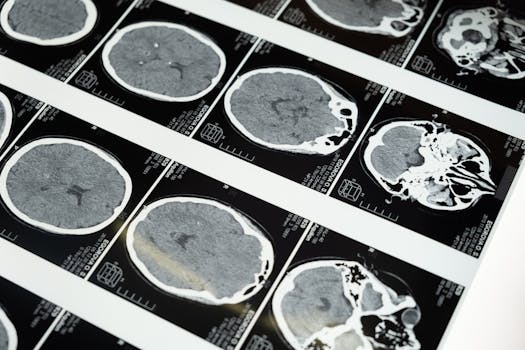 Photo: cottonbro studio / Pexels
 Photo: cottonbro studio / Pexels