
The Key difference between Urgent Care and Emergency Room
Navigate your healthcare choices wisely to get the right treatment at the right place, saving time and money.
Understand Your OptionsKey Takeaways
- ✓ Urgent care treats non-life-threatening conditions requiring immediate attention.
- ✓ Emergency rooms are for severe, life-threatening injuries or illnesses.
- ✓ Cost for urgent care is significantly lower than an ER visit.
- ✓ Wait times are generally shorter at urgent care centers.
How It Works
Determine if your condition is life-threatening or could worsen rapidly. This initial assessment guides your next step in seeking care.
Is it an emergency that needs immediate, specialized care, or an urgent issue that can't wait for a primary care doctor but isn't critical?
Based on your assessment, select either an urgent care center for minor to moderate issues or an emergency room for severe conditions.
Once you've made your choice, don't delay in getting the necessary medical attention. Prompt care can prevent complications.
Understanding Urgent Care: When is it the Right Choice?
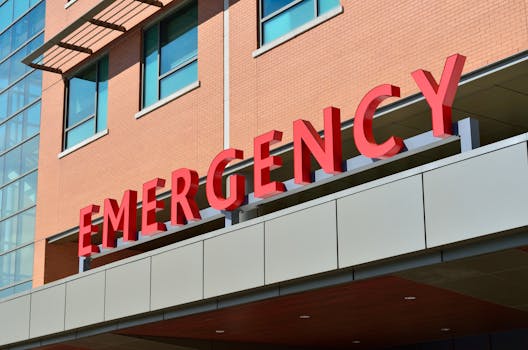 Photo: Pixabay / Pexels
Emergency Rooms: When Every Second Counts
 Photo: Даниил Зенцов / Pexels
Making the Right Choice: Factors to Consider
 Photo: Tima Miroshnichenko / Pexels
Common Mistakes and Smart Tips for Healthcare Access
 Photo: Edward Jenner / Pexels
Comparison
| Feature | Urgent Care | Emergency Room | Primary Care Physician |
|---|---|---|---|
| Conditions Treated | Non-life-threatening illnesses/injuries (flu, sprains, minor cuts) | Life-threatening conditions (heart attack, stroke, severe trauma) | Routine check-ups, chronic disease management, preventative care |
| Severity of Condition | Mild to moderate, requiring immediate attention | Severe, critical, or life-threatening | Non-urgent, ongoing health management |
| Cost | Lower (typically $50-$150 with insurance) | Highest (hundreds to thousands of dollars) | Lowest (standard office visit co-pay) |
| Wait Times | Generally shorter (minutes to an hour) | Can be very long for non-critical conditions (hours) | By appointment, minimal wait |
| Hours of Operation | Extended hours, weekends, no appointment needed | 24/7, 365 days a year | Standard business hours, by appointment |
| Staffing | Physicians, PAs, NPs | Emergency physicians, specialists, nurses | Primary care physician, nurses |
| Equipment/Resources | X-ray, basic lab tests, minor procedure room | Advanced imaging (CT, MRI), OR, ICU, full lab, specialists | Basic diagnostic tools, referrals to specialists |
What Readers Say
"I had a nasty sprain and couldn't get into my doctor. Knowing the difference between urgent care and emergency room saved me. Urgent care was quick, affordable, and they got me an X-ray right away without the ER drama."
Sarah J. · Austin, TX"My son had a high fever and rash, but wasn't struggling to breathe. We went to urgent care instead of the ER, and it was the perfect choice. They diagnosed strep throat quickly, and we were home with antibiotics in an hour. Much better than a long ER wait."
Mark T. · Orlando, FL"After experiencing sudden chest pain, I immediately went to the ER. It turned out to be severe indigestion, but the peace of mind knowing I was in the right place for a potential heart issue was invaluable. Understanding the difference between urgent care and emergency room is crucial for these situations."
Emily R. · Denver, CO"I once went to the ER for a deep cut that probably could have been handled by urgent care. It was expensive and took hours. Now I'm much better at discerning the difference between urgent care and emergency room needs, though sometimes it's still a tough call."
David L. · Seattle, WA"My daughter had a minor fall and a suspected wrist fracture. The urgent care center was able to do an X-ray and confirm it wasn't serious, saving us a trip to the crowded ER. It's so helpful to know the difference between urgent care and emergency room for everyday accidents."
Jessica M. · Chicago, ILFrequently Asked Questions
What is the primary difference between urgent care and emergency room facilities?
The primary difference lies in the severity of conditions they treat. Urgent care centers handle non-life-threatening illnesses or injuries that require immediate attention but are not critical. Emergency rooms are for severe, life-threatening medical conditions or injuries that could result in permanent disability or death if not treated promptly.
Will my insurance cover urgent care and emergency room visits?
Most insurance plans cover both urgent care and emergency room visits, but the co-pays, deductibles, and out-of-pocket costs can vary significantly. It's crucial to check your specific plan details and understand your benefits for each type of facility to avoid unexpected bills.
How do I decide if my condition warrants an ER visit or urgent care?
Assess the severity of your symptoms. If you experience severe chest pain, difficulty breathing, signs of stroke, major trauma, uncontrolled bleeding, or sudden loss of consciousness, go to the ER or call 911. For less severe issues like colds, flu, minor cuts, sprains, or infections, urgent care is usually appropriate. When in doubt, call your primary care doctor or a nurse hotline.
Is urgent care cheaper than an emergency room?
Yes, urgent care visits are significantly cheaper than emergency room visits. The cost difference can range from hundreds to thousands of dollars, depending on the services rendered. ERs have higher costs due to their extensive resources, specialized staff, and 24/7 availability for critical conditions.
Can urgent care centers treat broken bones?
Urgent care centers can often diagnose and treat minor fractures or sprains, especially those that don't require immediate surgical intervention. They typically have X-ray capabilities. However, for severe or complex fractures, or those requiring specialist consultation, an emergency room is the more appropriate choice.
Who should use urgent care versus the emergency room?
Urgent care should be used by individuals with non-life-threatening conditions that need prompt attention and cannot wait for a primary care appointment. The emergency room is for anyone experiencing a severe, life-threatening injury or illness that requires immediate, advanced medical intervention to prevent serious harm or death.
Are urgent care centers open 24/7 like emergency rooms?
No, most urgent care centers are not open 24/7. While they offer extended hours, including evenings and weekends, they typically close overnight. Emergency rooms, on the other hand, are open 24 hours a day, 7 days a week, 365 days a year, specifically to handle any medical crisis at any time.
How has the rise of urgent care impacted healthcare access?
The rise of urgent care centers has significantly improved healthcare access by providing a convenient, affordable alternative for non-emergency medical needs, reducing the burden on overcrowded emergency rooms, and offering a bridge between primary care and hospital-level services. They have made immediate care more accessible for many communities.
Empower yourself with the knowledge of the difference between urgent care and emergency room. Making the right choice ensures you receive timely, appropriate, and cost-effective medical care when you need it most. Stay informed, stay healthy.