
Find Emergency Room Wait Times Near Me Instantly
emergency room wait times near me

Find Emergency Room Wait Times Near Me Instantly

Access real-time ER wait information to guide your urgent medical decisions and reduce anxiety.

Check Wait Times Now

Key Takeaways

  • ✓ Average ER wait times in the US can range from 30 minutes to several hours, varying by location and time of day.
  • ✓ Many hospitals and third-party apps now provide real-time or estimated ER wait times online.
  • ✓ Understanding ER wait times can help you decide between an emergency room and an urgent care center.
  • ✓ Factors like patient volume, staffing levels, and severity of cases significantly impact wait times.

How It Works

1
Identify Your Need

Determine if your condition warrants an emergency room visit or if an urgent care center is more appropriate. Life-threatening conditions always require the ER.

2
Search Online

Use search engines or dedicated apps to look for 'emergency room wait times near me.' Many hospital systems offer this directly on their websites.

3
Compare Options

Review the estimated wait times for different facilities in your vicinity. Consider travel time and facility capabilities alongside wait times.

4
Head to the Best Fit

Once you've made an informed decision, proceed to the chosen emergency room or urgent care center. Always call 911 for severe emergencies.

Understanding Emergency Room Wait Times and Their Impact

Crop anonymous African American female patient in medical apparel standing near window in clinic Photo: Klaus Nielsen / Pexels
When a medical emergency strikes, every second counts, and the thought of long waits in an emergency room can add significant stress to an already difficult situation. Understanding emergency room wait times near me is not just about convenience; it's about making informed decisions that can impact health outcomes and peace of mind. The average wait time for an emergency room in the United States can vary dramatically, from a mere 15-minute triage to several hours before seeing a physician. These fluctuations are influenced by a myriad of factors, including the time of day, day of the week, hospital size, staffing levels, and the overall patient volume and acuity. For instance, weekend evenings often see longer waits due to increased recreational injuries and illnesses, while a major accident in the area can suddenly overwhelm even the most prepared facility. The impact of these wait times extends beyond mere discomfort. Prolonged waits can lead to increased anxiety for patients and their families, potential delays in critical treatment, and in some cases, a worsening of symptoms. For conditions like suspected heart attacks or strokes, even a few minutes can be crucial. This is why having access to real-time or estimated wait times has become an invaluable tool for patients and caregivers. It empowers individuals to choose the most appropriate facility based on their specific medical needs and the urgency of their condition, potentially directing them to a less crowded ER or an urgent care center if suitable. Moreover, the concept of 'wait time' itself can be nuanced. Often, the reported wait time refers to the period before a patient is seen by a physician, not necessarily the total time spent in the ER from arrival to discharge. Patients are typically triaged upon arrival, meaning a nurse assesses their condition to determine the severity and prioritize care. Those with life-threatening conditions will always be seen first, regardless of their arrival time. This system, while essential for patient safety, means that someone with a less severe ailment might experience a longer wait as more critical cases are attended to. Accessing reliable information on emergency room wait times near me can significantly reduce the uncertainty and stress associated with seeking urgent medical care. It allows individuals to proactively plan their visit, or, in less severe cases, consider alternative care options like urgent care centers, which often have shorter wait times for non-life-threatening conditions. This strategic approach to healthcare can lead to a more efficient and less stressful experience for everyone involved. For more on navigating medical services, explore our guide on choosing the right medical facility.

How to Find Real-Time Emergency Room Wait Times Near You

A person wearing a face mask uses a smartphone illuminated by red light in a dark setting. Photo: Nothing Ahead / Pexels
In today's digital age, finding real-time emergency room wait times near me is more accessible than ever, thanks to advancements in hospital transparency and technology. Several methods and platforms can help you gather this crucial information before you even leave your home. The most direct approach is often through hospital websites. Many major hospital systems and individual hospitals now feature a dedicated section on their official websites that displays current or estimated ER wait times. These are typically updated frequently, sometimes every 15-30 minutes, to reflect the dynamic nature of emergency department operations. A quick search for '[Hospital Name] ER wait times' can often lead you directly to this information. Beyond individual hospital sites, several third-party applications and websites aggregate ER wait time data from multiple facilities. These platforms can be particularly useful as they allow for a comparative view of several emergency rooms in your vicinity, helping you identify the least crowded option. Examples include apps developed by healthcare providers, local health authority websites, or even some popular health-focused directories. When using these resources, it's important to verify the source's reliability and the recency of the data, as information can sometimes be delayed or less accurate than direct hospital feeds. Always cross-reference if possible, especially for critical decisions. Another valuable resource can be calling the hospital directly. While not always providing 'real-time' updates in the same way a live digital feed would, the emergency department's front desk or a dedicated information line might be able to offer an estimate of current wait times or advise on the current patient load. This method can be especially useful if you're experiencing technical difficulties with online platforms or prefer direct communication. However, be mindful that staff may be busy with patient care, so online options are often preferred for initial inquiries. Finally, for non-life-threatening conditions, consider using online symptom checkers or telehealth services. While these won't provide ER wait times, they can help you assess the severity of your condition and guide you on whether an ER visit is truly necessary, potentially directing you to an urgent care center with typically shorter waits. This preliminary assessment can save you valuable time and reduce the burden on emergency services. Always remember that for severe, life-threatening symptoms, immediate medical attention is paramount, and calling 911 is the safest course of action.

Factors Influencing Emergency Room Wait Times and What to Expect
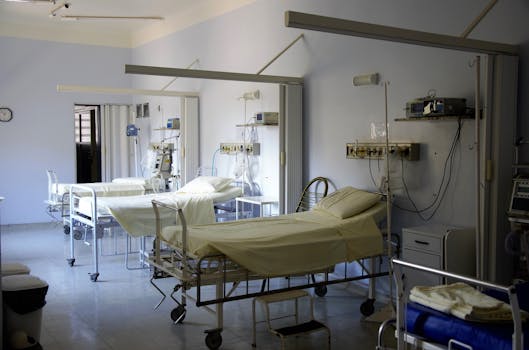
Spacious hospital room with several empty beds and medical equipment, emphasizing healthcare and hygiene. Photo: Pixabay / Pexels
When you're searching for emergency room wait times near me, it's crucial to understand the complex interplay of factors that contribute to these numbers. ERs are dynamic environments, and their efficiency is constantly being tested by various internal and external pressures. One of the primary drivers of wait times is patient volume. A sudden influx of patients, perhaps due to a local accident, a widespread illness like the flu, or even seasonal changes, can quickly overwhelm an ER, leading to extended waits. The time of day also plays a significant role; evenings and nights often see higher patient numbers as primary care offices close and people delay seeking care until after work hours. Staffing levels are another critical component. The availability of doctors, nurses, and support staff directly impacts how quickly patients can be triaged, examined, and treated. Staff shortages, whether due to illness, vacations, or general understaffing, can significantly slow down the entire process. Furthermore, the acuity of cases also dictates wait times. Emergency rooms operate on a triage system, where patients with the most severe, life-threatening conditions are prioritized. This means someone with a minor injury might wait longer while medical teams attend to a heart attack victim or a severe trauma case. This prioritization is essential for saving lives but naturally extends the wait for less critical patients. Beyond these immediate factors, hospital infrastructure and bed availability also play a part. If a hospital is at or near capacity, with no available beds in inpatient units, patients who require admission may remain in the ER for extended periods, occupying valuable space and staff resources. This phenomenon, known as 'boarding,' can create a bottleneck that impacts new arrivals. Diagnostic services, such as X-rays, CT scans, and laboratory tests, also contribute to the overall time spent in the ER. Delays in getting these tests performed or receiving results can add hours to a patient's visit. Finally, administrative processes, including patient registration, insurance verification, and discharge procedures, can also influence the total time spent in the emergency department. While hospitals strive to streamline these processes, they are necessary steps that contribute to the overall patient journey. Being aware of these contributing factors can help manage expectations when seeking emergency care and underscore the importance of utilizing resources like urgent care centers for minor ailments to help alleviate pressure on ERs.

Tips for Navigating Emergency Room Visits and Reducing Stress

A doctor and patient engaging in a positive consultation in a bright clinic setting. Photo: cottonbro studio / Pexels
Navigating an emergency room visit can be a stressful experience, but with some preparation and understanding, you can significantly reduce anxiety and potentially improve your experience, even when facing emergency room wait times near me. Firstly, always assess the severity of your condition. For true medical emergencies like chest pain, severe bleeding, difficulty breathing, or sudden neurological changes, call 911 immediately. For less severe but urgent issues such as sprains, minor cuts, or colds, an urgent care center might be a more appropriate and faster option, helping to alleviate the burden on ERs and reduce your wait time. Before heading to the ER, if possible, gather essential information. This includes a list of your current medications (including dosages), any known allergies, your medical history, and contact information for your primary care physician. Having this information readily available can expedite the registration and assessment process. You should also bring your insurance card and a form of identification. Once at the ER, be prepared for potential waits. While you've checked emergency room wait times near me, these are estimates and can change rapidly. Bring a book, fully charged phone, or other distractions. If you're with a child, pack snacks, drinks, and comfort items. Maintain open communication with the medical staff; if your condition changes or worsens while waiting, inform the triage nurse immediately. They need to be aware of any developments to reassess your priority. Don't hesitate to ask questions about your treatment plan, medications, or follow-up care. Understanding what's happening can empower you and reduce uncertainty. Finally, remember that the staff are working under immense pressure to care for all patients. Politeness and patience, even in difficult circumstances, can go a long way in fostering a positive environment. Your cooperation helps them do their job more effectively. **Key Tips for a Smoother ER Experience:** * **Know Your Symptoms:** Differentiate between emergency and urgent care needs. * **Prepare Your Information:** Medication list, allergies, medical history, insurance. * **Bring Distractions:** Books, phone, chargers, snacks, comfort items. * **Communicate Changes:** Inform staff if your condition worsens. * **Ask Questions:** Understand your diagnosis, treatment, and follow-up. * **Be Patient and Polite:** ER staff are doing their best under pressure. * **Consider Alternatives:** Urgent care for non-life-threatening issues.

Comparison

FeatureEmergency RoomUrgent Care CenterPrimary Care Physician
Severity of ConditionLife-threatening emergenciesNon-life-threatening urgent issuesRoutine care, chronic conditions
Wait TimesHighly variable, can be longGenerally shorterAppointment-based
CostHighestModerateLowest (with insurance)
Services OfferedComprehensive, 24/7Limited diagnostics, minor proceduresPreventive care, ongoing management
Access24/7, no appointment neededExtended hours, walk-ins welcomeBusiness hours, by appointment
EquipmentAdvanced diagnostics & specialistsBasic X-ray, lab testsBasic diagnostics

What Readers Say

"I used an app to check emergency room wait times near me when my son broke his arm. It saved us an hour by directing us to a less busy hospital. The staff was fantastic once we got in."

Sarah J. · Austin, TX

"Finding real-time ER wait times was a game-changer during my wife's allergic reaction. We were able to choose the closest ER with a manageable wait, which made a huge difference in our anxiety levels."

Mark T. · Orlando, FL

"My local hospital's website showed their emergency room wait times near me, and it was spot on. I knew exactly what to expect, and I was seen within the estimated window, which was very reassuring."

Emily R. · Denver, CO

"The wait time estimate I saw online was a bit off, but it still helped me decide which hospital to go to. It's not always perfect, but it's definitely better than going in blind."

David L. · Seattle, WA

"As a parent, knowing emergency room wait times near me is invaluable. It helps me plan for my child's comfort and ensures we're not waiting unnecessarily when they're in pain. Highly recommend checking before you go."

Jessica M. · Phoenix, AZ

Frequently Asked Questions

What is the average emergency room wait time in the US?

The average emergency room wait time in the US can vary significantly, but typically ranges from 30 minutes to several hours to see a physician after triage. Factors like time of day, hospital location, patient volume, and the severity of other incoming cases all play a role in these fluctuations.

Are emergency room wait times accurate online?

Many hospitals and third-party platforms strive to provide real-time or estimated emergency room wait times that are generally quite accurate. However, these are estimates and can change rapidly due to the dynamic nature of ER operations. It's always best to consider them as a guide rather than a guarantee.

How can I find emergency room wait times near me?

You can find emergency room wait times near you by checking the official websites of local hospitals, using dedicated healthcare apps that aggregate data, or sometimes by calling the hospital's emergency department directly. Search engines are also effective for locating this information.

Does checking wait times cost money?

No, checking emergency room wait times online through hospital websites or most reputable third-party apps is typically free of charge. This information is provided as a public service to help patients make informed decisions about their urgent care needs.

Is an urgent care center a good alternative to an ER for shorter wait times?

For non-life-threatening conditions such as colds, flu, minor cuts, sprains, or infections, an urgent care center is often an excellent alternative to an ER. They generally have shorter wait times and lower costs, reserving the ER for true medical emergencies.

Who should use emergency room wait times near me?

Anyone experiencing a non-life-threatening medical issue who needs urgent care but wants to avoid potentially long waits at the ER can benefit from checking wait times. For severe emergencies, immediate medical attention (calling 911) is always the priority, regardless of wait times.

Is it safe to drive myself to an ER if I'm experiencing a severe medical emergency?

No, if you are experiencing a severe medical emergency (e.g., suspected heart attack, stroke, severe bleeding, major trauma), it is always safest to call 911. Paramedics can provide immediate life-saving care en route to the hospital and ensure you arrive at the most appropriate facility.

How might technology further improve access to ER wait time information?

Future advancements might include more sophisticated AI-driven prediction models for wait times, integration with wearable health devices to suggest optimal care pathways, and enhanced telehealth services that can triage patients more effectively before an ER visit, further streamlining access to care.

Don't let uncertainty add to your stress during a medical emergency. Empower yourself with knowledge by checking emergency room wait times near me before you go. Make an informed decision for faster, more appropriate care when it matters most.

Topics: emergency room wait times near meER wait timesurgent care wait timeshospital wait timesmedical emergency
Leo List
Brampton weed
Adultwork EstrelaBet Vai de Bet R7 Bet Betão Galera Bet Rainbet Bet9ja Shop SportyBet BetKing Sisal Loto Foot Hollywoodbets YesPlay Odibets RushBet Jugabet BetWarrior BetCity MSport betPawa Fortebet