✓ Acne affects up to 50 million Americans annually, making it the most common skin condition.
✓ A board-certified dermatologist can offer treatments beyond over-the-counter options, including prescription medications, in-office procedures, and lifestyle advice.
✓ Early intervention with a dermatologist can prevent permanent scarring and hyperpigmentation.
✓ Telemedicine options are increasingly available for initial consultations, offering convenience and accessibility.
How It Works
1
Assess Your Acne Severity
Understand if your acne is mild, moderate, or severe. This helps in determining the urgency and type of specialist you might need.
2
Utilize Online Search Tools
Leverage reputable online directories and search engines. Filter results by location, insurance, and specific conditions like acne.
3
Prepare for Your Consultation
Compile a list of your symptoms, medical history, and current skincare routine. This ensures a productive and efficient first visit.
4
Evaluate Treatment Options & Follow-Up
Discuss all recommended treatments, potential side effects, and expected timelines. Adhere to the prescribed plan and attend follow-up appointments diligently.
Understanding Your Acne: When to Seek Professional Help
Photo: www.kaboompics.com / Pexels
Acne is far more than just a cosmetic concern; it's a complex inflammatory skin condition that can significantly impact self-esteem and quality of life. While many individuals experience occasional breakouts, persistent or severe acne warrants professional attention. Knowing when to transition from self-care remedies to consulting a dermatologist is crucial for effective treatment and preventing long-term complications like scarring.
Mild acne typically involves blackheads, whiteheads, and a few papules (small, red bumps). These cases might respond well to over-the-counter (OTC) products containing ingredients like salicylic acid or benzoyl peroxide. However, if your acne persists for several weeks despite consistent OTC use, or if it begins to spread, intensify, or cause discomfort, it's time to consider a professional evaluation.
Moderate acne often presents with more numerous papules and pustules (red bumps with white centers), and sometimes a few nodules (larger, painful lumps beneath the skin's surface). At this stage, OTC products are often insufficient, and a dermatologist can prescribe stronger topical retinoids, antibiotics, or oral medications.
Severe acne is characterized by widespread deep nodules and cysts, which are often painful and can lead to significant scarring. This form of acne requires immediate dermatological intervention. Without proper treatment, severe acne can cause permanent disfigurement and psychological distress. Conditions like cystic acne or acne conglobata, for instance, are particularly aggressive and demand specialized care.
Furthermore, if your acne is accompanied by unusual symptoms such as excessive hair growth, irregular periods, or sudden onset in adulthood, it might indicate an underlying hormonal imbalance. A dermatologist can help diagnose such conditions and coordinate care with other specialists if needed. The emotional toll of acne is also a significant factor; if your skin condition is causing anxiety, depression, or social withdrawal, a dermatologist can provide support and effective treatment options to improve both your skin and your mental well-being. Ultimately, the decision to find a dermatologist near me for acne should be driven by the severity of your condition, its impact on your life, and the ineffectiveness of home remedies. Early and appropriate intervention is key to achieving clear skin and preventing irreversible damage. Don't underestimate the power of professional guidance in navigating your acne journey.
Navigating Your Search: How to Find the Best Acne Specialist Near You
Photo: RDNE Stock project / Pexels
Finding the right dermatologist for your acne can feel overwhelming, but with a structured approach, you can identify a highly qualified specialist who meets your specific needs. The first step involves utilizing reliable online resources. Websites like the American Academy of Dermatology (AAD) 'Find a Dermatologist' tool are invaluable. These directories allow you to search by zip code, specialty (e.g., acne, cosmetic dermatology), and even filter by insurance providers. Similarly, health-focused platforms such as Zocdoc, Healthgrades, and Vitals offer comprehensive profiles of dermatologists, including patient reviews, accepted insurance plans, and appointment availability.
Beyond online searches, personal recommendations can be incredibly insightful. Ask your primary care physician for a referral, as they often have a network of trusted specialists. Friends, family, or colleagues who have successfully treated their acne might also offer valuable suggestions. When gathering recommendations, inquire about the dermatologist's approach, communication style, and effectiveness of treatment.
Once you have a shortlist of potential dermatologists, delve deeper into their credentials and experience. Verify that they are board-certified by the American Board of Dermatology. Board certification signifies that a dermatologist has met rigorous educational, training, and examination standards, ensuring a high level of expertise. You can usually confirm this information on the AAD website or the dermatologist's practice website.
Consider their specific focus areas. While all dermatologists treat acne, some may have a particular interest or advanced training in complex acne cases, acne scarring, or adult acne. This specialization can be particularly beneficial if your acne is severe or has unique characteristics.
Finally, evaluate logistical factors. Does the clinic accept your insurance? Is the location convenient? Are their office hours compatible with your schedule? Many clinics now offer online appointment scheduling and patient portals, which can significantly enhance convenience. Don't hesitate to call the office with questions about their procedures, payment options, or what to expect during your first visit. A thorough search ensures you connect with a dermatologist who is not only skilled but also a good fit for your individual preferences and needs, setting the stage for a successful treatment journey.
What to Expect: Your First Visit and Treatment Options for Acne
Photo: Gustavo Fring / Pexels
Your initial consultation with a dermatologist for acne is a crucial step toward achieving clearer skin. Arriving prepared can make this visit more productive and ensure you get the most out of your time with the specialist. Before your appointment, gather relevant information: a detailed history of your acne (when it started, what triggers it, what treatments you've tried), a list of all medications you're currently taking (both prescription and over-the-counter), and your current skincare routine. Be ready to discuss your lifestyle habits, including diet, stress levels, and sun exposure, as these can all play a role in acne development.
During your visit, the dermatologist will typically begin with a thorough examination of your skin. They will assess the type and severity of your acne, looking for blackheads, whiteheads, papules, pustules, nodules, and cysts. They might also examine other areas of your body if you experience acne there. Based on this examination and your medical history, the dermatologist will diagnose your specific type of acne and discuss a tailored treatment plan.
The range of acne treatments available today is extensive and often involves a multi-faceted approach. For mild to moderate acne, topical medications are frequently prescribed. These include retinoids (like tretinoin or adapalene) to promote cell turnover and prevent clogged pores, and topical antibiotics (such as clindamycin or erythromycin) to reduce bacteria and inflammation. Benzoyl peroxide, available in both OTC and prescription strengths, is also a common and effective topical agent.
For more persistent or severe acne, oral medications may be necessary. Oral antibiotics (like doxycycline or minocycline) are used to decrease bacteria and inflammation, usually for a limited period. Hormonal therapies, such as oral contraceptives or spironolactone, can be effective for women whose acne is linked to hormonal fluctuations. Isotretinoin (formerly Accutane) is a powerful oral medication reserved for severe, resistant, or scarring acne, offering long-term remission for many patients. This medication requires close monitoring due to potential side effects.
Beyond medications, dermatologists also offer in-office procedures that can accelerate healing and improve skin appearance. Chemical peels can help exfoliate the skin and reduce breakouts. Light and laser therapies target bacteria, reduce inflammation, and improve skin texture and scarring. Extractions can manually remove blackheads and whiteheads. Corticosteroid injections can quickly reduce the size and pain of large, inflamed cysts. Your dermatologist will explain which treatments are most suitable for your condition, outlining potential benefits, risks, and expected outcomes. Open communication with your dermatologist is key to managing expectations and achieving the best possible results.
Beyond Treatment: Lifestyle Adjustments and Long-Term Acne Management
Photo: beyzahzah / Pexels
While professional dermatological treatment forms the cornerstone of acne management, integrating certain lifestyle adjustments can significantly enhance treatment outcomes and promote long-term skin health. Understanding that acne is often a multifactorial condition means addressing both internal and external influences.
**Key Lifestyle Adjustments:**
* **Skincare Routine:** Adhere strictly to the dermatologist-prescribed skincare regimen. Use gentle, non-comedogenic cleansers and moisturizers. Avoid harsh scrubbing, which can irritate the skin and worsen inflammation. Always apply sunscreen, especially when using medications that increase sun sensitivity.
* **Diet:** While the link between diet and acne is complex and individual, some people find certain foods exacerbate their breakouts. Common culprits include high-glycemic index foods (refined carbohydrates, sugary drinks) and dairy products. Consider keeping a food diary to identify potential triggers and discuss these with your dermatologist. Focusing on a balanced diet rich in fruits, vegetables, and lean proteins is generally beneficial for overall health and skin.
* **Stress Management:** Stress can trigger hormonal fluctuations that lead to acne flare-ups. Incorporate stress-reducing activities into your daily routine, such as yoga, meditation, regular exercise, or hobbies you enjoy. Adequate sleep also plays a vital role in stress reduction and overall skin health.
* **Hygiene:** Regularly clean items that come into contact with your face, such as phone screens, pillowcases, and eyeglasses. Avoid touching or picking at your face, as this can spread bacteria and lead to scarring. Wash your hair regularly, especially if it tends to be oily, to prevent oils from transferring to your skin.
* **Exercise:** Regular physical activity can help reduce stress and improve circulation, which benefits skin health. Just remember to shower promptly after sweating to prevent clogged pores.
**Long-Term Acne Management:**
Acne is often a chronic condition that requires ongoing management. Even after initial breakouts subside, a maintenance regimen is essential to prevent recurrence. This might involve continued use of topical retinoids or other preventive treatments. Regular follow-up appointments with your dermatologist are crucial to monitor your skin's progress, adjust treatments as needed, and address any new concerns, such as acne scarring or hyperpigmentation. Your dermatologist can recommend treatments for scarring, including chemical peels, microdermabrasion, microneedling, or laser therapy, to further refine your skin's appearance. By combining expert medical care with diligent self-care and lifestyle modifications, you can achieve and maintain clear, healthy skin in the long run.
Comparison
Feature
Dermatologist
General Practitioner
Esthetician
Online Teledoc
Severity of Acne
All (Mild to Severe)
Mild to Moderate
Mild (Surface)
Mild to Moderate
Prescription Medication
✓
Limited
✗
Limited (Topical)
In-Office Procedures
✓
✗
Limited (Non-Medical)
✗
Insurance Coverage
Often
Usually
Rarely
Often
Scarring Treatment
✓
✗
Limited
✗
Holistic Approach
Often (with lifestyle)
Basic advice
Skincare focused
Limited
What Readers Say
★★★★★
"After years of struggling, I decided to find a dermatologist near me for acne. Dr. Evans was amazing, she understood my concerns and prescribed a treatment that finally cleared my cystic acne."
Sarah J. · Austin, TX
★★★★★
"I was hesitant, but my wife convinced me to see a dermatologist for my adult acne. The clinic was welcoming, and the doctor's plan worked wonders. My skin hasn't looked this good in years."
Mark T. · Miami, FL
★★★★★
"Finding Dr. Lee was a game-changer. My face was covered in painful breakouts, and within three months, her treatment plan reduced my acne by 80% and significantly diminished my scarring."
Emily R. · Seattle, WA
★★★★★
"The initial wait for an appointment was a bit long, but it was worth it. The dermatologist provided clear explanations and a realistic treatment timeline. My skin is definitely improving, though it's a gradual process."
David L. · Denver, CO
★★★★★
"As a teenager, my acne was ruining my confidence. My parents helped me find a dermatologist near me for acne, and the specialist was so understanding. I'm now on a maintenance plan and feel so much better about my skin."
Jessica P. · Chicago, IL
Frequently Asked Questions
What is the most effective treatment for severe cystic acne?
For severe cystic acne, dermatologists often prescribe oral isotretinoin (formerly Accutane), which is highly effective in achieving long-term remission. Other options may include oral antibiotics, hormonal therapies, and in-office procedures like corticosteroid injections to reduce inflammation and prevent scarring. A personalized plan is crucial.
Will my insurance cover a visit to a dermatologist for acne?
Most health insurance plans cover dermatological visits for medical conditions like acne, as it's considered a medical necessity. However, coverage can vary depending on your specific plan, deductible, and whether the dermatologist is in-network. It's always advisable to confirm with your insurance provider and the clinic beforehand.
How long does it take to see results from acne treatment?
The timeline for seeing results from acne treatment varies greatly depending on the severity of your acne and the chosen treatment plan. Mild to moderate acne might show improvement within 4-8 weeks, while severe cases or those requiring oral medications like isotretinoin can take 3-6 months or longer to see significant clearance. Consistency is key.
What is the average cost of a dermatologist visit for acne without insurance?
Without insurance, the cost of an initial dermatologist consultation for acne can range from $100 to $300, depending on the clinic's location, the complexity of the visit, and the dermatologist's experience. Follow-up visits are often less. This does not include the cost of prescriptions or in-office procedures.
Are there natural remedies for acne that a dermatologist might recommend?
While dermatologists primarily focus on evidence-based medical treatments, they may discuss lifestyle modifications that can complement treatment, such as dietary changes (reducing high-glycemic foods or dairy), stress reduction techniques, and using gentle, non-comedogenic skincare products. However, they generally advise against relying solely on unproven natural remedies for moderate to severe acne.
Who should consider seeing a dermatologist for acne?
Anyone experiencing persistent acne that doesn't respond to over-the-counter treatments, severe or cystic acne, acne that causes pain or significant emotional distress, or acne that leaves scars should consider seeing a dermatologist. Early intervention can prevent worsening conditions and long-term complications.
Is it safe to use multiple acne products at once?
It's generally not recommended to combine multiple acne products without professional guidance, as this can lead to irritation, dryness, or reduced effectiveness. A dermatologist can help you create a synergistic skincare routine that safely and effectively combines active ingredients tailored to your specific needs, minimizing adverse reactions.
What are the future trends in acne treatment?
Future trends in acne treatment are focusing on more targeted therapies, including novel topical agents with fewer side effects, advanced laser and light therapies for both active acne and scarring, and personalized medicine approaches based on individual skin microbiomes and genetic predispositions. Telemedicine is also expanding access to care.
Don't let acne control your life any longer. Take the proactive step to find a dermatologist near you for acne treatment and embark on your journey to clear, confident skin. Your path to effective acne management starts here.

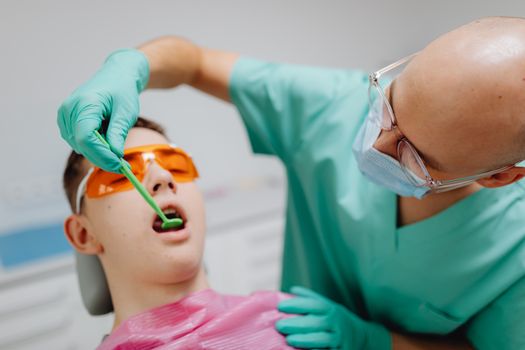 Photo: www.kaboompics.com / Pexels
 Photo: RDNE Stock project / Pexels
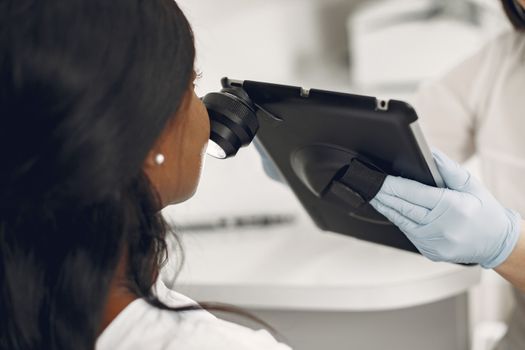 Photo: Gustavo Fring / Pexels
 Photo: beyzahzah / Pexels