✓ Acne affects up to 50 million Americans annually.
✓ A general dermatologist may not have the same specialized expertise as one focusing on acne.
✓ Specialized dermatologists offer advanced treatments like laser therapy, chemical peels, and prescription medications.
✓ Early intervention with a specialist can prevent scarring and long-term skin damage.
How It Works
1
Assess Your Acne Severity
Understand if your acne is mild, moderate, or severe (cystic/nodular). This helps determine the urgency and type of specialist needed.
2
Research & Compile Potential Specialists
Utilize online directories, insurance networks, and peer recommendations to create a list of dermatologists known for acne treatment.
3
Verify Credentials & Specialization
Check board certifications, review patient testimonials, and confirm their focus on acne. Look for evidence of advanced training or publications in acne research.
4
Schedule a Consultation
Prepare questions about their treatment philosophy, available therapies, and success rates. A consultation is crucial for assessing compatibility and trust.
Understanding Acne and Why a Specialist Matters
Photo: Towfiqu barbhuiya / Pexels
Acne vulgaris is far more than just a few pimples; it's a complex skin condition that can significantly impact self-esteem and quality of life. From blackheads and whiteheads to painful cysts and nodules, acne manifests in various forms and severities. It arises when hair follicles become clogged with oil (sebum) and dead skin cells, leading to inflammation and bacterial growth. While many people experience mild acne that can be managed with over-the-counter products, persistent or severe cases often require professional intervention. This is where the importance of finding a dermatologist specializing in acne becomes paramount.
A general dermatologist is equipped to handle a wide range of skin conditions, from rashes to skin cancer screenings. However, an acne specialist has dedicated a significant portion of their practice, research, and ongoing education to understanding the nuances of acne. They are intimately familiar with the latest breakthroughs in acne pathogenesis, diagnosis, and treatment protocols. This deep expertise allows them to accurately identify the underlying causes of your specific type of acne – whether it's hormonal, bacterial, inflammatory, or a combination – and develop a highly targeted, effective treatment plan. They consider factors such as your skin type, lifestyle, medical history, and previous treatments to craft a personalized approach that goes beyond generic solutions.
Furthermore, an acne specialist possesses advanced knowledge of prescription-strength topical retinoids, oral antibiotics, hormonal therapies, isotretinoin (Accutane), and a variety of in-office procedures like chemical peels, microdermabrasion, laser therapy, and light-based treatments. They understand the potential side effects of these powerful medications and how to manage them, ensuring your safety and optimizing outcomes. For individuals struggling with severe or scarring acne, early intervention by a specialist can be crucial in preventing permanent skin damage and minimizing emotional distress. They can also provide expert guidance on scar revision techniques once active acne is under control. Navigating the world of acne treatments can be overwhelming, with countless products and conflicting advice available. A specialist cuts through the noise, offering evidence-based solutions tailored to your unique needs, ultimately saving you time, money, and frustration in your journey to clear skin. Learn more about different types of acne treatments and how they work. Their specialized focus means they're likely to be more up-to-date on emerging therapies and technologies specific to acne, offering you the best possible chance for successful management and long-term skin health. They don't just treat the symptoms; they aim to address the root causes, providing a comprehensive solution. Without this specialized insight, many patients cycle through ineffective treatments, leading to prolonged suffering and potential scarring. A specialist brings a level of precision and experience that a general practitioner, or even a general dermatologist, might not possess when it comes to this specific and often challenging condition. Their dedication to acne research and patient care within this niche ensures you receive the most current and effective care available.
Strategies for Identifying Top Acne Dermatologists in Your Area
Photo: Tima Miroshnichenko / Pexels
Finding the right dermatologist specializing in acne requires a strategic approach. It’s not just about finding any dermatologist, but one who is renowned for their expertise in managing and treating acne. Start by leveraging your existing network: ask your primary care physician for referrals. They often have established relationships with specialists and can recommend reputable dermatologists based on your specific needs. Word-of-mouth is another powerful tool; friends, family, or colleagues who have successfully managed their acne might offer invaluable recommendations. Personal experiences can provide insights into a doctor's approach, bedside manner, and overall effectiveness.
Beyond personal recommendations, online resources are indispensable. Utilize reputable online doctor directories such as the American Academy of Dermatology (AAD) 'Find a Dermatologist' tool. This directory allows you to search by specialty, location, and even specific conditions like acne. Other platforms like Zocdoc, Healthgrades, and Vitals provide comprehensive profiles, including patient reviews, accepted insurance plans, and educational backgrounds. When reviewing profiles, pay close attention to the 'Conditions Treated' or 'Specialties' sections; look for explicit mentions of acne, cystic acne, adult acne, or acne scarring. A dermatologist who frequently lists these conditions is more likely to have a focused practice in this area.
Insurance plays a critical role in your selection process. Always check if a potential dermatologist is in-network with your insurance provider to minimize out-of-pocket expenses. Your insurance company's website or customer service line can provide a list of covered specialists. Be prepared to call the dermatologist's office directly to confirm their participation in your plan, as online information can sometimes be outdated. Don't hesitate to inquire about their billing practices and any potential costs not covered by insurance, especially for cosmetic procedures related to acne scarring.
When narrowing down your list, consider geographical convenience and office hours. Regular follow-up appointments are often necessary for acne management, so a conveniently located office with flexible scheduling can make a significant difference in your adherence to the treatment plan. Finally, look for dermatologists who are actively involved in professional organizations related to dermatology or acne research. Membership in societies like the American Academy of Dermatology or the American Society for Dermatologic Surgery can indicate a commitment to staying current with the latest advancements in the field. These strategies combined will help you compile a robust list of highly qualified specialists, bringing you closer to finding the ideal partner in your journey to clear skin. Remember, a thorough search now can prevent frustration and ineffective treatments later.
Evaluating Credentials, Experience, and Patient Reviews for Optimal Care
Once you have a list of potential dermatologists specializing in acne, the next crucial step is a thorough evaluation of their credentials, experience, and what their current patients say about them. This rigorous assessment will help you distinguish between a general practitioner and a true expert who can effectively address your specific acne concerns. The first and most critical credential to verify is board certification. A board-certified dermatologist has completed rigorous training, passed comprehensive exams, and committed to ongoing education, signifying a high level of competency and expertise in their field. You can usually verify board certification through the American Board of Dermatology website. This ensures they meet stringent standards of practice and knowledge. Without this, you might be seeing someone who isn't fully qualified to handle complex dermatological issues.
Beyond basic certification, delve into their specific experience with acne. Look for dermatologists who explicitly state 'acne' or 'acne treatment' as a primary focus area on their practice website or professional profiles. How long have they been practicing? While newer doctors can be excellent, extensive experience in treating diverse acne cases often translates to a broader understanding of various treatment modalities and their efficacy across different skin types and severities. Some dermatologists even publish research papers or give presentations on acne, indicating a deeper commitment to the field and staying abreast of the latest scientific advancements. Don't hesitate to ask about their treatment philosophy during an initial consultation; do they favor a conservative approach, or are they quick to recommend aggressive treatments? Understanding their philosophy helps ensure it aligns with your own preferences.
Patient reviews and testimonials offer invaluable insights into a dermatologist's practice. Websites like Healthgrades, Zocdoc, Yelp, and Google Reviews provide platforms for patients to share their experiences. Look for recurring themes in reviews: do patients consistently praise the doctor's ability to listen, explain treatments clearly, and achieve positive results for acne? Pay attention to comments about wait times, staff friendliness, and the overall office environment. While a few negative reviews are normal, a pattern of complaints regarding poor communication, rushed appointments, or ineffective treatments should raise a red flag. Conversely, reviews that specifically mention successful acne clearance, improved skin texture, or effective management of side effects are strong indicators of a specialist's proficiency. Remember to consider the context of reviews; sometimes, a patient's dissatisfaction might stem from unrealistic expectations rather than the doctor's competence. However, a significant number of positive, detailed reviews specifically mentioning successful acne treatment should instill confidence. This due diligence in evaluating credentials and patient feedback is essential for making an informed decision and finding a dermatologist who can truly transform your skin. Discover more about choosing the right medical professional for your needs. It's about finding a partner in your skin health journey, not just a doctor.
Key Questions to Ask During Your Initial Consultation & Common Mistakes to Avoid
Your initial consultation with a dermatologist specializing in acne is a critical opportunity to assess their suitability and ensure they are the right fit for your needs. Coming prepared with a list of questions will empower you to make an informed decision and maximize the value of your visit. Here are some key questions to consider asking:
* "What is your primary approach to treating acne, especially my specific type?"
* "What treatment options do you typically recommend for cases like mine, and what are the potential side effects?"
* "How long do you anticipate the treatment process will take, and what kind of results can I realistically expect?"
* "Do you offer in-office procedures for acne or scarring (e.g., chemical peels, laser therapy), and are these covered by insurance?"
* "How often will follow-up appointments be necessary, and what is the cost structure for ongoing care?"
* "What is your philosophy on incorporating lifestyle changes and skincare routines into acne management?"
* "How do you handle prescription refills or urgent concerns between appointments?"
Beyond asking questions, it's equally important to be aware of common mistakes patients make when trying to find a dermatologist specializing in acne. Avoiding these pitfalls can save you time, money, and frustration:
* **Mistake 1: Relying solely on a general dermatologist.** While general dermatologists are skilled, an acne specialist has a deeper, more focused expertise that can be crucial for complex or persistent cases. Don't assume all dermatologists have the same level of experience with acne.
* **Mistake 2: Not checking insurance coverage.** This is a common oversight that can lead to unexpected bills. Always confirm with both the dermatologist's office and your insurance provider that they are in-network before your appointment.
* **Mistake 3: Failing to prepare a medical history.** Bring a list of all current medications, past acne treatments (both prescription and over-the-counter), known allergies, and any relevant medical conditions. This helps the dermatologist formulate an accurate diagnosis and safe treatment plan.
* **Mistake 4: Not asking about the doctor's experience with your specific acne type.** If you have cystic acne or adult hormonal acne, ensure the doctor has a proven track record in treating those particular presentations.
* **Mistake 5: Overlooking the importance of rapport.** You'll be working closely with this doctor, potentially for an extended period. Choose someone with whom you feel comfortable discussing sensitive topics and who listens attentively to your concerns.
* **Mistake 6: Expecting a quick fix.** Acne treatment often requires patience and consistency. Be wary of any dermatologist promising instant, miraculous results. A good specialist will manage your expectations realistically.
* **Mistake 7: Ignoring red flags.** If a dermatologist seems dismissive, rushed, or pushes expensive treatments without thorough explanation, consider seeking a second opinion. Your health and comfort are paramount.
By being proactive and avoiding these common mistakes, you'll significantly improve your chances of finding an outstanding dermatologist who can effectively guide you towards clearer, healthier skin. Remember, this is an investment in your well-being.
Comparison
Feature
Acne Specialist
General Dermatologist
Primary Care Physician
Expertise Level for Acne
Deep, focused, cutting-edge
Broad, general knowledge
Basic understanding
Treatment Options
Advanced (lasers, peels, specialized meds)
Standard (topicals, oral antibiotics)
OTC recommendations, basic prescriptions
Experience with Complex Cases
High
Moderate
Low
Focus on Scarring
✓
✗
✗
Personalized Treatment Plans
Highly tailored
Generally tailored
Limited tailoring
Access to Latest Research
High
Moderate
Low
Cost (often)
Higher (specialized procedures)
Standard (insurance often covers)
Lower (first line of defense)
What Readers Say
★★★★★
"Dr. Lee was amazing! After years of struggling to find a dermatologist specializing in acne, I finally found someone who truly understood my hormonal breakouts. My skin is clearer than it's been in a decade, and I feel so much more confident."
Sarah J. · Austin, TX
★★★★★
"I had severe cystic acne, and no one seemed to help until I saw Dr. Chen. He's a true acne specialist. His approach was comprehensive, and he walked me through every step. The results are phenomenal; my face is almost completely clear."
Michael D. · Miami, FL
★★★★★
"Finding a dermatologist specializing in acne was a game-changer for my teenage daughter. Dr. Patel didn't just prescribe medication; she educated us on skincare and diet. My daughter's acne has drastically improved, and her self-esteem has soared."
Jessica L. · Denver, CO
★★★★★
"Dr. Kim is very knowledgeable about acne, though sometimes her office wait times are a bit long. However, her treatment plan for my adult acne has been effective, and I appreciate her thorough explanations of each step."
David R. · Seattle, WA
★★★★★
"As someone with sensitive skin and acne, I struggled to find a dermatologist who didn't make things worse. Dr. Garcia was fantastic – she tailored a gentle yet effective plan. It's been a relief to finally get my acne under control without irritation."
Emily S. · Boston, MA
Frequently Asked Questions
What is the primary difference between a general dermatologist and one specializing in acne?
While both are medical doctors, an acne specialist has typically dedicated a significant portion of their practice, research, and continuing education to understanding the complex mechanisms of acne. They possess deeper expertise in advanced treatment modalities, including specialized in-office procedures, and are more adept at managing severe, persistent, or unusual forms of acne and preventing scarring. Their focus is narrower but much deeper.
I've tried everything over-the-counter. Is it really worth seeing a specialist?
Absolutely. Over-the-counter products often only address mild acne symptoms. If you've been consistent with OTC treatments for several months without significant improvement, your acne likely requires prescription-strength medications or in-office procedures that only a specialist can provide. A specialist can accurately diagnose the root cause of your acne and offer a personalized, more effective treatment plan.
How do I verify if a dermatologist is truly an 'acne specialist'?
Look for explicit mentions on their website, professional profiles (like the American Academy of Dermatology's directory), or during your initial call. Ask about their percentage of patients treated for acne, their experience with specific acne types (e.g., cystic, hormonal), and if they offer advanced acne-specific procedures. Board certification from the American Board of Dermatology is a baseline requirement, but specialization goes beyond that.
How much does it cost to see a dermatologist specializing in acne, and is it covered by insurance?
Costs vary widely based on your insurance plan, the dermatologist's location, and specific treatments. Initial consultations typically range from $100-$300 without insurance. Most medical acne treatments (consultations, prescription medications) are often covered by health insurance, but cosmetic procedures (like some laser treatments for scarring) may not be. Always confirm coverage directly with your insurance provider and the dermatologist's office beforehand.
How does an acne specialist compare to an aesthetician for acne treatment?
An acne specialist (dermatologist) is a medical doctor who can diagnose, prescribe medication, perform medical procedures, and treat the underlying causes of acne. An aesthetician provides cosmetic skin treatments, such as facials and extractions, but cannot diagnose medical conditions, prescribe medication, or perform medical-grade procedures. A specialist addresses the disease; an aesthetician helps manage symptoms and improve skin appearance under guidance.
Who should prioritize finding a dermatologist specializing in acne?
Anyone experiencing moderate to severe acne, persistent acne that doesn't respond to over-the-counter treatments, painful or cystic acne, acne that leaves scars, or adult-onset acne should prioritize seeing a specialist. Early intervention can prevent permanent scarring and significantly improve quality of life.
Are there any risks associated with seeing an acne specialist for treatment?
While effective, some acne treatments (like isotretinoin, certain lasers, or strong chemical peels) carry potential side effects. A qualified acne specialist will thoroughly discuss these risks, monitor your health closely throughout treatment, and manage any adverse reactions. The risk of complications is significantly lower when under the care of an experienced, board-certified specialist compared to self-treating or using unproven methods.
What are the future trends in acne treatment that a specialist might offer?
Acne treatment is constantly evolving. Specialists are often at the forefront of new therapies, which may include novel topical agents with fewer side effects, targeted oral medications, advanced laser and light therapies for both active acne and scarring, and a deeper understanding of the skin microbiome's role in acne. They may also incorporate personalized medicine approaches based on genetic factors or specific bacterial profiles.
Don't let acne control your life any longer. By taking the proactive steps to find a dermatologist specializing in acne, you're investing in clear, healthy skin and renewed confidence. Start your journey today and experience the transformative power of expert, personalized care.

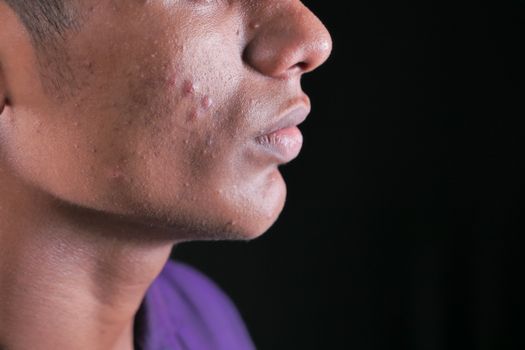 Photo: Towfiqu barbhuiya / Pexels
 Photo: Tima Miroshnichenko / Pexels