How Long Does a Flu Shot Last? Your Immunity Explained
August 22, 2026 16 min read 3,243 words
Understand the duration of your flu vaccine protection and optimize your defense against seasonal influenza.
Get Protected Now
Understanding the Duration of Flu Shot Protection
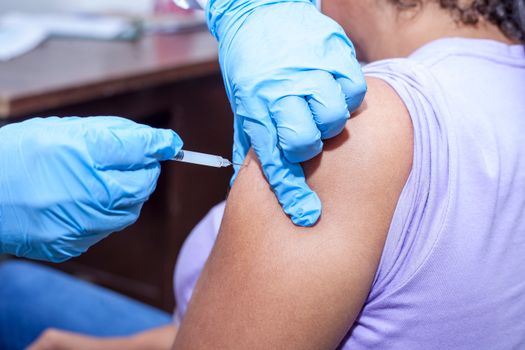 Photo: FRANK MERIÑO / Pexels
The question of "how long does a flu shot last" is a fundamental one for anyone considering vaccination, and the answer, while generally straightforward, involves several nuances. On average, the protection offered by a flu shot is estimated to last for about six to eight months. This duration is a critical factor in why annual vaccination is consistently recommended by public health authorities like the Centers for Disease Control and Prevention (CDC). The flu season in the United States typically runs from October through May, sometimes extending into late spring. A vaccine administered in early fall, such as September or October, is designed to provide robust protection throughout the peak months of flu activity.
However, it's important to understand that the "six to eight months" is an average. The actual duration can vary from person to person due to a complex interplay of individual biological factors and the characteristics of the vaccine itself. For instance, younger, healthier adults often mount a stronger and more sustained immune response compared to older adults or individuals with compromised immune systems. In older populations, a phenomenon known as immunosenescence – the gradual deterioration of the immune system with age – can lead to a less robust initial antibody response and a more rapid decline in protection over time. This is one reason why specialized high-dose flu vaccines or adjuvanted vaccines are often recommended for those aged 65 and older, as they are designed to stimulate a stronger immune reaction.
Furthermore, the specific strains of influenza circulating in a given year also play a role. The flu vaccine is formulated each year to target the strains predicted to be most prevalent. While the vaccine aims for a broad protective response, its effectiveness can vary against different strains, and this can subtly influence the perceived duration of protection. If a person is exposed to a strain not perfectly matched by the vaccine, their protection might feel less complete, even if some cross-protection exists. This doesn't necessarily mean the vaccine wore off faster, but rather that its initial effectiveness against that specific variant was lower. The body's immune memory is also a factor; repeated vaccination over years can contribute to a more primed immune system, potentially extending the functional duration of protection even if antibody levels decline. For more insights into vaccine types, you can explore
different types of vaccines.
It's crucial to distinguish between the presence of antibodies and the level of effective protection. While antibody levels may begin to wane after several months, this doesn't mean protection vanishes overnight. Your immune system retains a memory of the virus, allowing it to mount a rapid response if exposed, even with lower circulating antibody levels. However, as antibody concentrations drop below a certain threshold, the speed and strength of this response may diminish, increasing the risk of infection or more severe symptoms. This gradual decline underscores why getting vaccinated annually is not just about adapting to new strains but also about boosting and maintaining sufficient protective antibody levels throughout the flu season. The goal is to have peak protection when the virus is most active, typically in the colder months. Thus, while the flu shot offers significant protection, its finite duration necessitates consistent, yearly vaccination to ensure continuous defense against influenza.
Factors Influencing Flu Shot Effectiveness and Duration
 Photo: cottonbro studio / Pexels
Several critical factors influence not only the overall effectiveness of a flu shot but also how long that protection genuinely lasts within an individual. Understanding these elements can help manage expectations and reinforce the importance of vaccination strategies. The most prominent factor is the match between the vaccine strains and the circulating influenza strains. Each year, global health organizations, including the World Health Organization (WHO) and the CDC, make predictions about which flu strains will be most prevalent. The vaccine is then formulated based on these predictions. If there's a good match, the vaccine's effectiveness can be quite high, leading to more robust and potentially longer-lasting protection. However, if a novel strain emerges or the predictions are less accurate, the vaccine's effectiveness might be reduced, and the perceived duration of protection could seem shorter because the immune response isn't as tailored to the actual threat.
Individual immune response is another paramount factor. Age plays a significant role. As mentioned, older adults (65 years and above) often exhibit a reduced immune response due to immunosenescence. Their bodies may not produce as many antibodies, and those antibodies may decline more quickly than in younger individuals. This is why specific formulations, like high-dose or adjuvanted vaccines, are often recommended for this demographic to enhance their immune response. Conversely, very young children, especially those receiving their first flu shot, might also have a slightly different response as their immune systems are still developing. Their protection may also require two doses initially to build sufficient immunity.
Underlying health conditions significantly impact vaccine duration and efficacy. Individuals with chronic illnesses such as diabetes, heart disease, lung disease (like asthma or COPD), kidney disease, or those who are immunocompromised due to conditions like HIV/AIDS, cancer treatment, or organ transplantation, often have weaker immune systems. Their ability to mount a strong, sustained immune response to the vaccine can be diminished, leading to potentially shorter periods of effective protection. For these vulnerable populations, the flu shot is even more critical because, despite potentially reduced effectiveness, any level of protection can significantly mitigate the risk of severe illness, hospitalization, or death from influenza complications. Healthcare providers often advise these groups to take extra precautions, including timely vaccination and other preventative measures.
Lifestyle factors, while less direct, can also play a subtle role. Chronic stress, poor nutrition, lack of sleep, and other factors that generally depress the immune system could theoretically affect the robustness and longevity of the vaccine's protective effect. While these are not primary determinants, a healthy lifestyle generally supports a more effective immune response. The timing of vaccination is also crucial. Getting the flu shot too early in the season (e.g., in July or August) might mean that protection wanes significantly by the time the peak of the flu season arrives in January or February, especially for older adults. Conversely, waiting too long (e.g., until December or January) leaves individuals unprotected during the early part of the season. The optimal window is typically September and October, aiming to build immunity before widespread flu activity begins. This strategic timing maximizes the overlap between peak protection and peak flu circulation, ensuring that the answer to "how long does a flu shot last" aligns with the period when it's most needed. Understanding these variables helps individuals and healthcare providers make informed decisions about vaccination strategies and additional protective measures.
The Science Behind Waning Immunity and Annual Vaccination
 Photo: Monstera Production / Pexels
The concept of waning immunity is central to understanding why flu shots don't offer lifelong protection and why annual vaccination is a cornerstone of public health. When you receive a flu shot, your immune system generates antibodies specifically designed to recognize and neutralize the influenza viruses included in the vaccine. These antibodies are like highly specialized soldiers, ready to defend against an invasion. Initially, after vaccination, the levels of these antibodies rise, reaching a peak typically around two weeks post-vaccination. This is when your protection is at its strongest.
However, over time, the concentration of these circulating antibodies naturally declines. This phenomenon, known as waning immunity, is not unique to the flu shot; it occurs with many vaccines and natural infections. Your body doesn't need to maintain extremely high levels of every antibody indefinitely. The rate at which these antibodies decline can vary, but generally, for the flu vaccine, a significant reduction in protective antibody levels can be observed after about six to eight months. For some individuals, particularly the elderly or immunocompromised, this decline can be more rapid and pronounced. While the decline in circulating antibodies reduces immediate protection, your immune system retains a 'memory' of the virus in the form of memory B and T cells. If re-exposed to the virus, these memory cells can quickly reactivate and produce new antibodies, offering a secondary, faster response. However, this secondary response might not be quick enough or strong enough to prevent infection entirely, especially if the initial antibody levels have fallen too low.
Beyond waning individual immunity, the primary driver for annual flu vaccination is the evolutionary nature of the influenza virus itself. Influenza viruses are notorious for their ability to constantly change, a process known as antigenic drift and antigenic shift. Antigenic drift involves small, gradual changes in the surface proteins (hemagglutinin and neuraminidase) of the virus. These minor mutations accumulate over time, leading to new variants that your immune system, which was primed by last year's vaccine, may no longer fully recognize. It's like the virus subtly changing its uniform, making it harder for your immune system's 'security guards' to identify it.
Antigenic shift, while less common, is a more dramatic change. It occurs when two different flu viruses infect the same cell, leading to a major reorganization of their genetic material. This can result in a completely new subtype of influenza virus to which most people have little or no immunity. Such shifts have been responsible for major pandemics throughout history. Because of these constant changes, the flu vaccine must be reformulated each year to target the strains predicted to be most prevalent in the upcoming season. The vaccine you received last year, even if its protective antibodies hadn't waned, might not offer adequate protection against the new, mutated strains circulating this year. This yearly reformulation ensures that the vaccine remains a relevant and effective tool against the ever-evolving threat of influenza. For more on how immunity works, consider reading about
vaccine development.
Therefore, annual vaccination serves a dual purpose: it replenishes waning antibody levels, ensuring you have sufficient immediate protection throughout the flu season, and it updates your immune system's defenses against the latest circulating viral strains. This strategic approach is crucial for maintaining both individual and community-level protection against a highly dynamic and potentially severe respiratory illness. Without annual vaccination, populations would be significantly more vulnerable to both endemic seasonal flu and the potential for more widespread outbreaks caused by new viral variants.
Optimizing Your Flu Shot Protection: Timing and Other Strategies
 Photo: Nataliya Vaitkevich / Pexels
To maximize the effectiveness and duration of your flu shot protection, strategic timing and other preventative measures are key. The general recommendation from public health agencies like the CDC is to get vaccinated by the end of October. This timing is designed to ensure that you develop full immunity before flu activity typically starts to increase significantly, which often happens in November and peaks between December and February. Since it takes about two weeks for antibodies to develop after vaccination, getting your shot in September or early October provides ample time for your immune system to be fully primed before widespread exposure becomes more likely.
However, there are nuances to this timing, especially for specific populations. For older adults (65 years and older), who may experience faster waning of immunity, some healthcare providers might suggest waiting until slightly later in the fall, such as late October or early November, to ensure protection lasts through the entire flu season, particularly if the season extends into late spring. This delicate balance ensures that protection is robust during the peak months while also trying to extend it as long as possible. Conversely, for children who need two doses of the vaccine (typically those aged 6 months through 8 years who have never been vaccinated or haven't received two doses in previous seasons), the first dose should be given as early as possible once the vaccine becomes available, to allow time for the second dose (given at least four weeks later) and for immunity to develop before flu season peaks.
Beyond timing, choosing the right vaccine type can also optimize protection, particularly for older adults. High-dose flu vaccines (Fluzone High-Dose Quadrivalent) and adjuvanted flu vaccines (Fluad Quadrivalent) are specifically designed for people aged 65 and older. These vaccines elicit a stronger immune response, leading to higher antibody levels and potentially more durable protection compared to standard-dose vaccines. Discussing these options with your doctor can help determine the best choice for your individual health profile.
It's also important to remember that the flu shot is just one layer of defense. While it significantly reduces your risk of infection and severe outcomes, it's not 100% effective. Therefore, combining vaccination with other public health strategies is crucial. These include frequent handwashing with soap and water or using an alcohol-based hand sanitizer, avoiding touching your eyes, nose, and mouth, especially in public spaces, and maintaining physical distance from people who are sick. If you feel unwell, staying home from work or school is vital to prevent further spread. Wearing a mask in crowded indoor settings, particularly during peak flu season, can also add an extra layer of protection, especially for those at higher risk of complications.
Finally, maintaining a healthy lifestyle – including adequate sleep, a balanced diet, and regular physical activity – supports a robust immune system, which can, in turn, enhance your body's ability to respond to the vaccine and maintain protection. While these factors don't directly answer "how long does a flu shot last," they contribute to your overall resilience against infectious diseases. By integrating strategic vaccination timing with these common-sense preventative measures, you can significantly optimize your defense against influenza throughout the entire flu season, ensuring you remain as protected as possible against this common and potentially severe respiratory illness.