
How to Lower Blood Pressure Naturally: Your Complete Guide
how to lower blood pressure naturally

How to Lower Blood Pressure Naturally: Your Complete Guide

Unlock the power of natural methods to manage your blood pressure and live a healthier, more vibrant life.

Start Your Journey Now

Key Takeaways

  • ✓ Nearly half of U.S. adults have hypertension, but many are unaware.
  • ✓ Lifestyle changes are often the first and most effective line of defense against high blood pressure.
  • ✓ Regular physical activity can reduce blood pressure by 5-8 mmHg in those with hypertension.
  • ✓ A diet rich in fruits, vegetables, and whole grains is crucial for blood pressure management.

How It Works

1
Understand Your Numbers

Regularly monitor your blood pressure at home and understand what the readings mean. This empowers you to track progress and make informed decisions.

2
Embrace Dietary Changes

Adopt a heart-healthy eating plan, focusing on whole foods and reducing sodium intake. This forms the cornerstone of natural blood pressure management.

3
Incorporate Regular Activity

Engage in consistent physical exercise that you enjoy, aiming for at least 150 minutes of moderate-intensity activity per week. Exercise strengthens your heart and circulatory system.

4
Manage Stress Effectively

Develop healthy coping mechanisms for stress, such as meditation, yoga, or spending time in nature. Chronic stress is a significant contributor to elevated blood pressure.

Understanding Hypertension and Its Risks
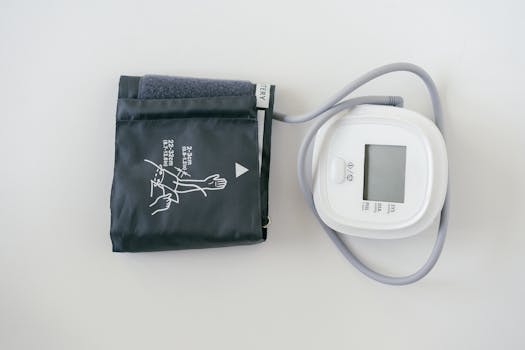
A digital sphygmomanometer on a white background, used for measuring blood pressure. Photo: Mikhail Nilov / Pexels
High blood pressure, or hypertension, is a silent killer, often showing no symptoms until it has caused significant damage. In the United States, an alarming number of adults live with this condition, making it a critical public health concern. Understanding what constitutes high blood pressure is the first step toward managing it. A reading of 120/80 mmHg is generally considered normal. When your systolic pressure (the top number) consistently reads 130 or higher, or your diastolic pressure (the bottom number) consistently reads 80 or higher, you are likely dealing with hypertension. The risks associated with uncontrolled high blood pressure are severe and far-reaching. It significantly increases your likelihood of developing heart disease, stroke, kidney disease, and even vision loss. The constant pressure on your artery walls can lead to hardening and narrowing of the blood vessels, reducing blood flow to vital organs. This cumulative damage can lead to heart attack, heart failure, and other cardiovascular events that drastically impact quality of life and longevity. Many factors contribute to the development of hypertension, including genetics, age, obesity, excessive alcohol consumption, a sedentary lifestyle, and a diet high in sodium and saturated fats. While some risk factors like age and genetics are beyond our control, a substantial number of them are directly influenced by our lifestyle choices. This is where the power of natural intervention truly shines. Rather than solely relying on pharmaceutical solutions, which certainly have their place and are often necessary, exploring natural methods can provide a holistic approach to managing and even reversing hypertension in many cases. The journey to lower blood pressure naturally is not a quick fix; it requires dedication and consistent effort, but the rewards are profound: improved health, reduced reliance on medication, and a greater sense of well-being. It's about empowering yourself with knowledge and making sustainable changes that benefit your body for years to come. Recognizing the gravity of hypertension is the motivational force behind adopting these crucial lifestyle adjustments. By taking proactive steps, you can significantly mitigate these risks and pave the way for a healthier future. For more information on cardiovascular health, you can explore resources on heart health.

Dietary Strategies for Optimal Blood Pressure
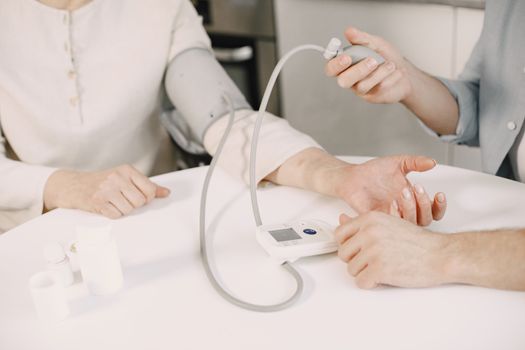
Close-up of blood pressure measurement at home highlighting healthcare equipment. Photo: Gustavo Fring / Pexels
The food we consume plays an incredibly powerful role in regulating blood pressure. Adopting a heart-healthy diet is arguably one of the most effective natural strategies. The DASH (Dietary Approaches to Stop Hypertension) diet is a prime example, specifically designed to lower blood pressure. It emphasizes fruits, vegetables, whole grains, lean protein, and low-fat dairy, while limiting saturated and trans fats, cholesterol, sodium, and added sugars. Reducing sodium intake is paramount. Most Americans consume far more sodium than recommended, largely from processed foods. Aim to limit your daily sodium intake to less than 2,300 milligrams, and ideally, closer to 1,500 mg, especially if you already have high blood pressure. This means reading food labels carefully, choosing fresh foods over packaged ones, and using herbs and spices for flavor instead of salt. Potassium is another key mineral. It helps balance sodium levels in your body and relaxes blood vessel walls, both of which contribute to lower blood pressure. Excellent sources of potassium include bananas, avocados, spinach, sweet potatoes, and tomatoes. Incorporating a variety of these foods daily can make a significant difference. Magnesium and calcium also contribute to blood pressure regulation. Magnesium helps blood vessels relax, and calcium is essential for proper blood vessel contraction and relaxation. Leafy greens, nuts, seeds, legumes, and whole grains are rich in magnesium, while dairy products, fortified plant milks, and leafy greens provide calcium. Furthermore, focusing on foods rich in omega-3 fatty acids, found in fatty fish like salmon, mackerel, and sardines, can reduce inflammation and improve heart health. Limiting processed foods, sugary drinks, and excessive red meat intake is equally important. These items often contribute to weight gain, inflammation, and increased blood pressure. Making conscious, consistent dietary choices is not just about avoiding certain foods; it's about embracing a vibrant array of whole, nutrient-dense options that actively support your cardiovascular system. Think of your plate as a canvas for health, filling it with colors and textures from nature's bounty. This dietary overhaul can feel daunting at first, but gradual changes, like swapping one processed snack for a piece of fruit, or replacing a salty side dish with steamed vegetables, can accumulate into substantial health benefits over time. Consistency is key, and the benefits extend beyond blood pressure control to overall energy levels, weight management, and reduced risk of other chronic diseases.

You may also find pc-max.net useful.

The Power of Exercise and Stress Management

Regular physical activity is a cornerstone of any natural approach to lowering blood pressure. When you exercise, your heart becomes stronger and more efficient at pumping blood, which reduces the force on your arteries and lowers blood pressure. Aim for at least 150 minutes of moderate-intensity aerobic activity, or 75 minutes of vigorous-intensity aerobic activity, each week. This could include brisk walking, jogging, cycling, swimming, dancing, or even gardening. Breaking up your workouts into shorter, more frequent sessions throughout the day can also be effective if you find it hard to set aside long periods. Consistency is more important than intensity when you're just starting. Even short bursts of activity, like taking the stairs instead of the elevator or a 10-minute walk during your lunch break, can add up and contribute to better blood pressure control. Beyond aerobic exercise, incorporating strength training at least two days a week can also be beneficial. This can involve lifting weights, using resistance bands, or performing bodyweight exercises like push-ups and squats. Equally vital is effective stress management. Chronic stress can lead to temporary spikes in blood pressure, and over time, these spikes can contribute to long-term hypertension. Finding healthy ways to cope with stress is crucial. Techniques such as mindfulness meditation, deep breathing exercises, yoga, and tai chi are excellent for calming the nervous system and reducing stress hormones. Spending time in nature, engaging in hobbies you enjoy, listening to music, or connecting with loved ones can also significantly reduce stress levels. It's important to identify your personal stressors and develop strategies to either avoid them or manage your reaction to them. For example, if a demanding work environment is a major stressor, exploring time management techniques or setting clearer boundaries might be helpful. A holistic approach to stress management acknowledges that mental and emotional well-being are intrinsically linked to physical health. Prioritizing relaxation and self-care is not a luxury but a necessity for maintaining healthy blood pressure. Neglecting stress can undermine all other efforts to lower blood pressure naturally, so integrating these practices into your daily routine is as important as diet and exercise. For further insights into managing stress, consider exploring resources on mental wellness.

Lifestyle Adjustments and Monitoring for Success

Beyond diet and exercise, several other lifestyle adjustments can profoundly impact your blood pressure. Maintaining a healthy weight is critical; losing even a small amount of weight can make a significant difference. Obesity is a major risk factor for hypertension, and weight loss can reduce the strain on your heart and blood vessels. Limiting alcohol consumption is another key step. While moderate alcohol intake might have some perceived benefits, excessive drinking can elevate blood pressure. For adults, this typically means up to one drink per day for women and up to two drinks per day for men. Quitting smoking is perhaps one of the most impactful changes you can make for your overall health, including blood pressure. Nicotine temporarily increases blood pressure and heart rate, and the chemicals in tobacco smoke damage artery walls, leading to hardening and narrowing. Adequate sleep is often overlooked but plays a crucial role. Chronic sleep deprivation can contribute to high blood pressure. Aim for 7-9 hours of quality sleep per night. Establishing a regular sleep schedule, creating a dark, quiet, and cool sleep environment, and avoiding caffeine and alcohol before bed can improve sleep quality. Regular monitoring of your blood pressure at home is essential for tracking progress and staying motivated. Invest in a reliable home blood pressure monitor and take readings consistently, ideally at the same time each day. Keep a log of your readings to share with your doctor. This data provides valuable insights into how your lifestyle changes are impacting your blood pressure and allows your healthcare provider to make informed decisions about your treatment plan. Remember, natural methods are powerful, but they should always be discussed with your doctor, especially if you are currently on medication for hypertension. Do not stop or change your medication without professional medical advice. The journey to lower blood pressure naturally is about making sustainable, informed choices that empower you to take control of your health and well-being.

Comparison

FeatureBest OptionAlternative 1Alternative 2
Dietary FocusDASH DietMediterranean DietVegetarian Diet
Sodium Limit (mg/day)150023002000
Key NutrientsK, Mg, CaHealthy FatsFiber
Exercise TypeAerobic + StrengthAerobic OnlyYoga/Pilates

What Readers Say

"After years of struggling with medication side effects, I committed to learning how to lower blood pressure naturally. The dietary changes and daily walks have made an incredible difference. My doctor is amazed!"

Sarah J. · Austin, TX

"This guide was a game-changer. I cut out processed foods and started meditating, and my blood pressure numbers have steadily improved. I feel more energetic and less stressed than ever before."

David L. · Miami, FL

"I was able to reduce my systolic reading by 15 points in just three months by following these natural methods. It wasn't easy, but the results speak for themselves and I'm thrilled."

Maria P. · Denver, CO

"Some of the dietary changes were challenging to implement initially, but the advice on stress management was invaluable. My blood pressure is lower, though I'm still working on consistency with exercise."

Robert S. · Chicago, IL

"As a busy professional, I needed practical steps on how to lower blood pressure naturally. This article provided exactly that, helping me integrate small but impactful changes into my daily routine."

Jessica M. · Seattle, WA

Frequently Asked Questions

What is the fastest way to lower blood pressure naturally?

While there's no instant 'fastest' way, consistent and simultaneous implementation of several natural strategies yields the quickest results. This includes drastic sodium reduction, daily moderate exercise, stress reduction techniques like deep breathing, and increasing potassium-rich foods. These combined efforts can show noticeable improvements within weeks, but always consult your doctor.

Can I stop blood pressure medication if I lower it naturally?

It is crucial never to stop or reduce your blood pressure medication without consulting your doctor. While natural methods can significantly improve blood pressure, medication changes must be managed by a healthcare professional to ensure your safety and monitor your progress effectively. Your doctor may gradually adjust your dosage as your numbers improve.

How much exercise is needed to lower blood pressure?

Most health organizations recommend at least 150 minutes of moderate-intensity aerobic activity per week, or 75 minutes of vigorous-intensity activity. This can be broken down into 30 minutes, five days a week, or even shorter, more frequent bursts. Consistency is key, and incorporating strength training 2-3 times a week can also be highly beneficial.

Are natural blood pressure remedies expensive?

Many natural blood pressure remedies are cost-effective and can even save you money in the long run. Focusing on whole, unprocessed foods, which are often cheaper than processed alternatives, and engaging in free activities like walking or bodyweight exercises, are prime examples. While some supplements exist, the most impactful natural methods are generally accessible and affordable.

How does the DASH diet compare to other diets for blood pressure?

The DASH (Dietary Approaches to Stop Hypertension) diet is specifically formulated and extensively researched for lowering blood pressure. It emphasizes fruits, vegetables, whole grains, lean protein, and low-fat dairy while limiting sodium, saturated fats, and sugars. While other diets like the Mediterranean diet share many healthy principles, DASH is uniquely tailored and proven for hypertension management.

Who should consider lowering blood pressure naturally?

Anyone with prehypertension or hypertension should consider natural methods. Even individuals with normal blood pressure can benefit from these lifestyle changes to maintain optimal health and prevent future issues. It's an excellent first-line approach or a powerful complement to medication, always under medical guidance.

Are there any risks associated with natural blood pressure reduction?

The risks associated with lifestyle changes like diet and exercise are generally low and overwhelmingly positive for overall health. However, it's important to make changes gradually and consult your doctor, especially if you have existing health conditions or are on medication. Over-exercising or drastically altering your diet without guidance could have unintended effects.

What role do supplements play in lowering blood pressure naturally?

While some supplements like potassium, magnesium, or certain herbal extracts are marketed for blood pressure, their effectiveness and safety vary, and they should never replace proven lifestyle changes or prescribed medication. Always discuss any supplements with your doctor, as they can interact with medications or have side effects. Focus on whole foods first.

Embark on your journey to better health by exploring how to lower blood pressure naturally. With consistent effort and informed choices, you can take control of your cardiovascular well-being and enjoy a more vibrant life. Start making these positive changes today!

Topics: how to lower blood pressure naturallynatural blood pressure remediesmanage hypertension naturallylifestyle changes for blood pressurediet to lower blood pressure
Leo List
Brampton weed
Adultwork