How to Prepare for a Physical Exam: Your Ultimate Guide
Master your annual check-up preparation to ensure a thorough visit and better health outcomes.
Get Ready NowKey Takeaways
- ✓ Physical exams are crucial for preventative health and early disease detection.
- ✓ Preparation significantly improves the effectiveness of your appointment.
- ✓ Gathering medical history and current medications is a key first step.
- ✓ Don't hesitate to ask questions and voice concerns during your exam.
How It Works
Book your physical exam well in advance, especially if you have a preferred doctor. Confirm the type of exam (e.g., annual wellness, sports physical) with your provider.
Compile a list of current medications, supplements, allergies, and family medical history. This comprehensive record is vital for an accurate assessment.
Jot down any health concerns, symptoms, or questions you have for your doctor. This ensures you address everything important during your limited appointment time.
Clarify insurance coverage, fasting requirements, and necessary paperwork before your visit. Being prepared logistically reduces stress on the day of your exam.
Understanding the Importance of Your Annual Physical Exam
 Photo: Tima Miroshnichenko / Pexels
Essential Pre-Appointment Steps: What to Gather and Prepare
 Photo: RDNE Stock project / Pexels
Maximizing Your Visit: Questions, Concerns, and Lifestyle Discussion
 Photo: RDNE Stock project / Pexels
Practical Tips for the Day of Your Exam and Common Mistakes to Avoid
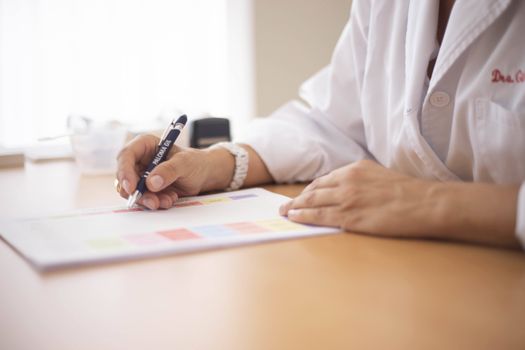 Photo: Paloma Gil / Pexels
- Not being honest: Sugarcoating symptoms or habits provides an incomplete picture of your health.
- Forgetting questions: Relying on memory in a clinical setting often leads to missed opportunities.
- Ignoring instructions: Disregarding fasting or other pre-exam directives can skew results.
- Bringing too many people: While support is good, too many opinions can distract from your focus.
- Not asking for clarification: If you don't understand something, ask your doctor to explain it again in simpler terms.
- Waiting until the last minute: Rushing to gather information or schedule appointments increases stress.
- Assuming everything is fine: Regular check-ups are for prevention, not just when you feel unwell.
Comparison
| Preparation Aspect | Optimal Approach | Common Oversight | Impact on Exam |
|---|---|---|---|
| Medical History | Written, detailed list of past conditions, surgeries, vaccinations. | Relying on memory or incomplete records. | Inaccurate risk assessment, missed preventative screenings. |
| Medication List | Up-to-date list of all prescriptions, OTCs, supplements with dosages. | Forgetting supplements or occasional medications. | Potential drug interactions, incomplete understanding of health status. |
| Questions/Concerns | Pre-written list of all symptoms, health queries, lifestyle topics. | No list, trying to remember questions on the spot. | Forgetting important issues, feeling rushed, incomplete discussion. |
| Fasting Requirements | Confirm and adhere strictly to fasting instructions (food/drink). | Eating/drinking before a fasting blood test. | Inaccurate lab results, requiring re-tests and delaying diagnosis. |
| Insurance/Logistics | Verify coverage, bring card, confirm co-pay, arrive early for paperwork. | Arriving late, forgetting insurance info, not understanding billing. | Delayed check-in, administrative stress, potential billing issues. |
What Readers Say
"Following this guide for how to prepare for a physical exam completely transformed my visit. I felt so much more organized and confident discussing my health with my doctor. Highly recommend!"
Sarah J. · Austin, TX"I used to dread my annual check-ups, but preparing with these steps made it incredibly efficient. My doctor even commented on how well-prepared I was, leading to a very thorough discussion."
Michael D. · Orlando, FL"Thanks to these tips, I remembered to ask about a persistent symptom I'd been dismissing. It turned out to be important, and we caught it early. This guide genuinely improved my health outcome!"
Emily R. · Seattle, WA"The advice on bringing a written list of questions was a game-changer. I still felt a little rushed, but having everything noted down ensured I covered the most critical points. Very helpful."
David L. · Boston, MA"As a busy mom, I often feel overwhelmed by appointments. This guide's clear, actionable steps for how to prepare for a physical exam made it manageable and productive, saving me time and stress."
Jessica M. · Denver, COFrequently Asked Questions
What is the most important thing to bring to a physical exam?
The most important things to bring are an updated list of all your medications (prescription, over-the-counter, supplements), a list of any health concerns or questions you have for your doctor, and your insurance card and photo ID. These items ensure your doctor has a full picture of your health and that your visit runs smoothly.
Do I need to fast before every physical exam?
Not necessarily. Fasting is typically required only if your physical exam includes certain blood tests, such as a lipid panel (cholesterol levels) or a blood glucose test. Always confirm with your doctor's office in advance if fasting is necessary for your specific appointment.
How do I discuss sensitive health issues with my doctor?
It's best to be as open and honest as possible. Your doctor is a medical professional who is bound by confidentiality and has heard it all before. Writing down your concerns beforehand can help you articulate them clearly. Remember, discussing sensitive issues can be crucial for an accurate diagnosis and effective treatment.
Is an annual physical exam covered by insurance, and what if I don't have insurance?
Most insurance plans, especially under the Affordable Care Act, cover annual wellness visits as preventative care with no co-pay. However, it's essential to check with your specific insurance provider beforehand. If you don't have insurance, many clinics offer sliding scale fees or payment plans, and community health centers are often more affordable options.
How is a physical exam different from a sick visit?
A physical exam is a preventative visit focused on maintaining your overall health, detecting potential issues early, and updating screenings. A sick visit, conversely, is scheduled when you have specific symptoms or an acute illness, with the goal of diagnosing and treating that particular condition. While some overlap may occur, their primary objectives differ.
Who should get an annual physical exam?
Generally, all adults should get an annual physical exam. Children and adolescents also benefit from regular well-child visits. These routine check-ups are crucial for monitoring growth, development, and overall health, regardless of age, and are a key component of preventative care.
Are there any risks associated with a physical exam?
Physical exams themselves carry minimal to no risk. The most common 'risks' are minor discomfort from blood draws or vaccinations. The primary benefit of early detection and preventative care far outweighs these negligible risks. It's designed to be a safe and beneficial part of your healthcare routine.
Will virtual physical exams become more common in the future?
Virtual physical exams (telehealth) have grown in popularity, especially for follow-ups, medication management, and discussing certain symptoms. While they offer convenience, a comprehensive annual physical typically requires an in-person component for hands-on examination, blood pressure checks, and laboratory tests. A hybrid approach may become more common, combining virtual consultations with necessary in-person visits.
By taking the time to understand and implement these preparation steps, you empower yourself to make the most of your annual check-up. Your dedication to learning how to prepare for a physical exam is an investment in your long-term health and well-being. Schedule your next appointment and prepare with confidence!