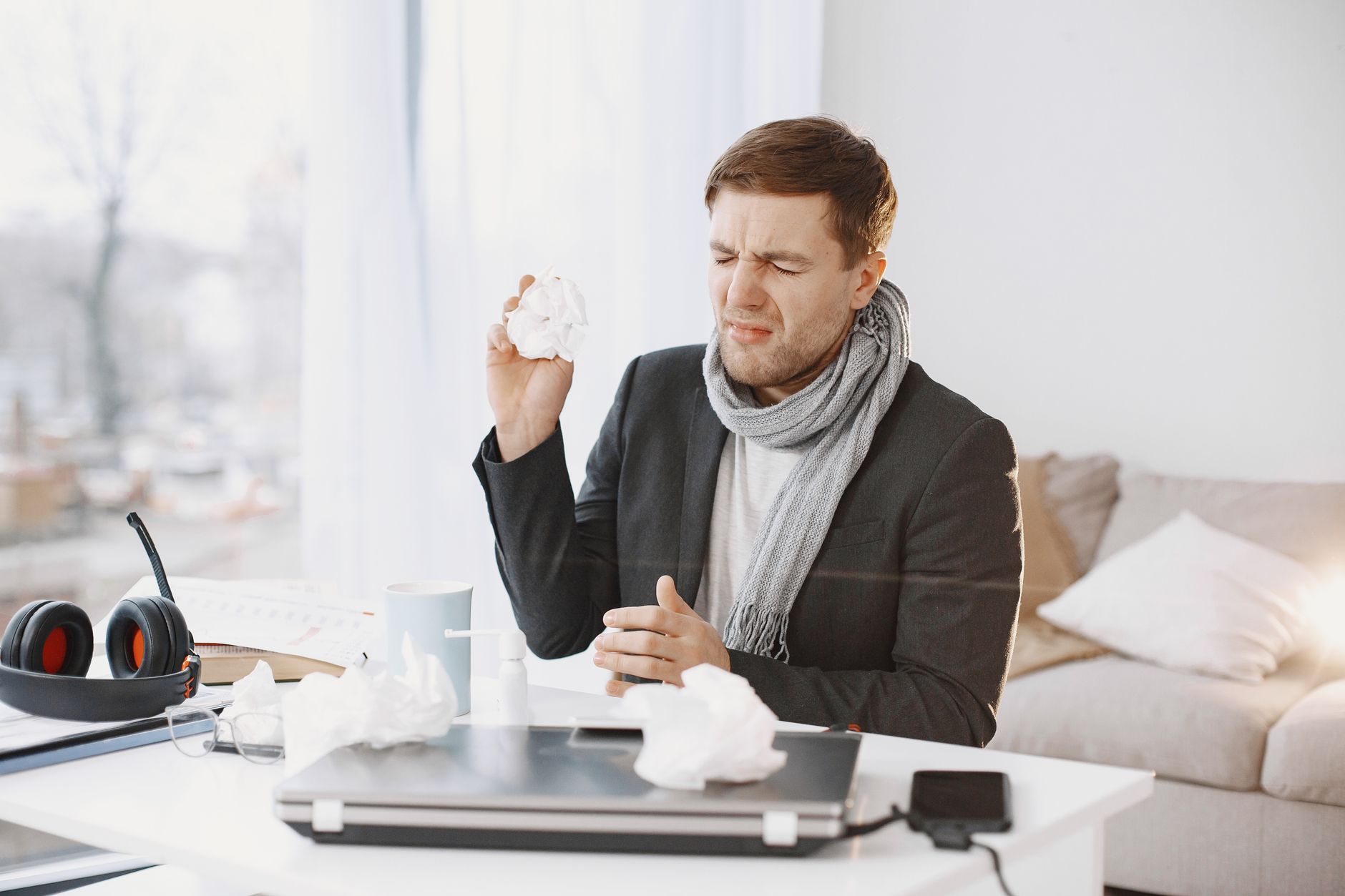
How to Treat a Common Cold Fast: Your Ultimate Guide
Quickly alleviate cold symptoms and accelerate your recovery with proven methods and expert advice.
Start Feeling Better NowKey Takeaways
- ✓ Most colds are caused by rhinoviruses and last 7-10 days.
- ✓ Antibiotics are ineffective against viral colds.
- ✓ Rest, hydration, and symptom management are key to recovery.
- ✓ Certain natural remedies can offer symptomatic relief.
How It Works
Recognize the first signs like a scratchy throat, runny nose, or fatigue. Early intervention can sometimes mitigate severity.
Allow your body to focus energy on fighting the virus by resting. Drink plenty of fluids to prevent dehydration and thin mucus.
Utilize over-the-counter medications and home remedies to alleviate discomfort. Focus on relieving congestion, sore throat, and body aches.
Incorporate immune-boosting practices like good nutrition and specific supplements. This helps your body naturally combat the infection.
Understanding the Common Cold: What You're Up Against
 Photo: Diva Plavalaguna / Pexels
Immediate Relief: Over-the-Counter Medications for Cold Symptoms
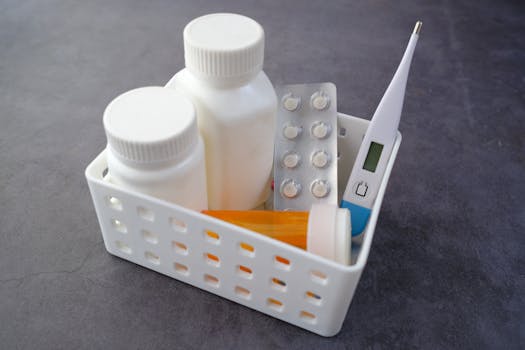 Photo: Towfiqu barbhuiya / Pexels
Natural and Home Remedies to Speed Up Cold Recovery
 Photo: Gundula Vogel / Pexels
When to See a Doctor and Common Cold Mistakes to Avoid
 Photo: RDNE Stock project / Pexels
Comparison
| Feature | Best Option (Symptom-Specific) | Alternative 1 (Natural) | Alternative 2 (Combination OTC) |
|---|---|---|---|
| Sore Throat Relief | Throat Lozenges/Honey | Warm Salt Water Gargle | Pain Reliever (e.g., Acetaminophen) |
| Nasal Congestion | Decongestant Spray (short-term) | Saline Nasal Rinse/Steam | Oral Decongestant |
| Cough (Dry) | Dextromethorphan (DM) | Honey | Combination Cough/Cold Syrup |
| Fever/Body Aches | Ibuprofen/Acetaminophen | Rest & Hydration | Multi-symptom Cold Medicine |
| Immune Support | Rest & Balanced Diet | Zinc/Vitamin C Supplements | ✗ |
What Readers Say
"This guide was incredibly helpful when I felt a cold coming on. Focusing on hydration and getting proper rest, as suggested, really made a difference. I also tried the saline rinse, which cleared my congestion much faster than usual."
Sarah J. · Austin, TX"I always struggle with colds, but following these steps on how to treat a common cold fast helped me feel better in just a few days. The advice on OTC meds was spot on, and I avoided the mistake of taking antibiotics."
Mark T. · Chicago, IL"After reading this, I implemented the rest and honey for my sore throat. My cold symptoms, especially the cough, were significantly reduced by day 3, allowing me to get back to work much sooner than I expected."
Emily R. · Miami, FL"Good comprehensive advice. While some remedies work better for me than others, the emphasis on hydration and knowing when to see a doctor is invaluable. It's a solid resource for managing cold symptoms effectively."
David L. · Seattle, WA"As a parent, getting rid of a cold quickly is essential. The tips on steam inhalation and using OTC options wisely helped me manage my symptoms while still being able to care for my kids. Highly recommend for practical advice."
Jessica M. · Denver, COFrequently Asked Questions
What is the fastest way to get rid of a common cold?
There's no single 'cure' for a cold, but the fastest way to recover involves a combination of strategies: prioritizing rest, staying well-hydrated, managing symptoms with appropriate over-the-counter medications, and using home remedies like steam inhalation or gargling with salt water. Early intervention and consistent self-care are key to shortening its duration.
Can I prevent a cold from getting worse once it starts?
Yes, you can often prevent a cold from worsening by immediately focusing on self-care. This includes getting plenty of rest, drinking ample fluids, avoiding strenuous activity, and using symptom relievers as needed. Supporting your immune system and not pushing yourself too hard can help your body fight off the virus more effectively.
How do I know if my cold is turning into something more serious?
Look out for worsening symptoms after initial improvement, high fever (over 103°F), severe pain (headache, sinus, chest), shortness of breath, or a cough that produces thick, discolored mucus. These could indicate a secondary bacterial infection like sinusitis, bronchitis, or pneumonia, which require medical attention.
Are natural remedies as effective as over-the-counter medications for colds?
Natural remedies often provide significant symptomatic relief and support the body's healing process, especially for mild to moderate symptoms. OTC medications, however, can offer more potent relief for specific symptoms like pain, fever, or severe congestion. The most effective approach often combines both, using OTCs for acute discomfort and natural remedies for overall comfort and immune support.
What's the difference between a cold and the flu, and why does it matter for treatment?
Colds are generally milder, with symptoms like runny nose, sore throat, and sneezing. The flu (influenza) is typically more severe, with abrupt onset of high fever, body aches, fatigue, and sometimes complications like pneumonia. It matters for treatment because the flu can be treated with antiviral medications if caught early, which are ineffective against the common cold. Recognizing the difference helps ensure appropriate care.
Who should be most careful when treating a common cold?
Individuals with chronic medical conditions (like asthma, COPD, heart disease, diabetes), weakened immune systems, pregnant women, infants, and the elderly should be most careful. They are at higher risk for complications from a common cold and should consult a doctor early for advice on managing symptoms and avoiding potential issues.
Are there any risks associated with trying to treat a cold fast?
The main risks come from misuse of medications, such as overdoing decongestant sprays (leading to rebound congestion), taking too much acetaminophen (liver damage), or using antibiotics unnecessarily. Always follow dosage instructions, read labels carefully, and consult a healthcare professional if unsure, especially when combining different remedies.
Will future treatments make colds disappear entirely?
While medical science is constantly advancing, it's unlikely that common colds will disappear entirely soon due to the vast number of viruses that cause them and their ability to mutate. However, future treatments may offer more effective symptom relief, shorter illness duration, and potentially universal vaccines that target broader viral families, making colds less impactful.
Don't let a common cold slow you down. By understanding how to treat a common cold fast with effective strategies, proper symptom management, and timely self-care, you can significantly reduce your recovery time and get back to feeling your best. Take charge of your health and implement these expert tips for a quicker, more comfortable recovery.