
Unlock Lifelong Wellness: Preventative Health Screenings for Adults
preventative health screenings for adults

Unlock Lifelong Wellness: Preventative Health Screenings for Adults

Proactive health management through regular screenings is your best defense against illness and the key to a longer, healthier life.

Schedule Your Screening

Key Takeaways

  • ✓ Regular preventative health screenings can detect serious conditions like cancer, heart disease, and diabetes early, often before symptoms appear.
  • ✓ Many chronic diseases are preventable or manageable with early intervention identified through screenings.
  • ✓ Insurance plans in the US typically cover a wide range of preventative services, often with no out-of-pocket cost.
  • ✓ Screening recommendations vary by age, gender, family history, and lifestyle factors, making personalized care essential.

How It Works

1
Consult Your Primary Care Provider

Start by scheduling an annual physical with your doctor. They will assess your overall health and discuss your personal risk factors.

2
Receive Personalized Recommendations

Based on your age, gender, medical history, and lifestyle, your doctor will recommend specific screenings tailored to your needs. This ensures you only undergo necessary tests.

3
Undergo Recommended Screenings

These may include blood tests, imaging scans, vaccinations, or specialized exams. Many can be done at your doctor's office or a local lab/imaging center.

4
Review Results and Plan Next Steps

Your doctor will explain your results and discuss any findings. If an issue is detected, they will outline a treatment plan or refer you to a specialist for further evaluation.

The Indispensable Value of Preventative Health Screenings for Adults

Two doctors in lab coats discussing an X-ray in a clinical setting. Photo: RDNE Stock project / Pexels
In the bustling tapestry of modern life, where demands on our time and energy seem ever-increasing, it’s easy to overlook one of the most critical investments we can make: our health. Yet, the concept of preventative health screenings for adults stands as a cornerstone of long-term well-being, offering a proactive shield against the onset and progression of numerous diseases. Far from being a mere formality, these screenings are powerful tools that empower individuals to take control of their health narrative, transforming potential crises into manageable conditions or even entirely avoidable scenarios. The United States healthcare system, while complex, increasingly emphasizes preventive care, recognizing its profound impact not only on individual lives but also on public health and economic sustainability. The value of these screenings extends beyond simply identifying existing problems. They are designed to detect risk factors and early indicators of conditions before they manifest as symptoms, when treatment is often most effective and less invasive. Consider the silent progression of hypertension, often dubbed the 'silent killer,' which can lead to heart attack, stroke, and kidney disease if left unmanaged. Regular blood pressure checks, a standard component of preventative screenings, can catch this condition early, allowing for lifestyle modifications or medication to avert severe complications. Similarly, routine cholesterol panels can identify elevated lipid levels that contribute to atherosclerosis, providing an opportunity to intervene with dietary changes, exercise, or statins before arterial damage becomes irreversible. For women, screenings such as mammograms and Pap tests are monumental in the early detection of breast and cervical cancers, respectively. When detected at their earliest stages, the survival rates for these cancers are significantly higher, underscoring the life-saving potential of these routine procedures. For men, prostate-specific antigen (PSA) tests, while sometimes controversial, remain an option for discussion with a doctor to weigh the benefits against potential harms for prostate cancer screening. These targeted screenings, guided by age and risk factors, are not just about finding disease; they are about finding it at a stage where it can be most effectively managed or cured, preserving quality of life and extending healthy lifespans. Beyond disease-specific tests, comprehensive preventative health screenings for adults often include discussions about lifestyle, nutrition, exercise habits, and mental health. A primary care physician acts as a central hub, compiling this information to create a holistic picture of an individual’s health. This allows for personalized advice and interventions, such as smoking cessation programs, weight management strategies, or referrals for mental health support. The goal is not just to treat illness but to foster an environment where health thrives, promoting resilience against future health challenges. In essence, these screenings are not just medical appointments; they are strategic engagements with your health, offering insights and opportunities for intervention that can profoundly alter your health trajectory. Investing time in these regular check-ups is an investment in a healthier, more vibrant future. Understanding your health risks is the first step towards empowered self-care.

Essential Preventative Screenings by Age and Gender for US Adults
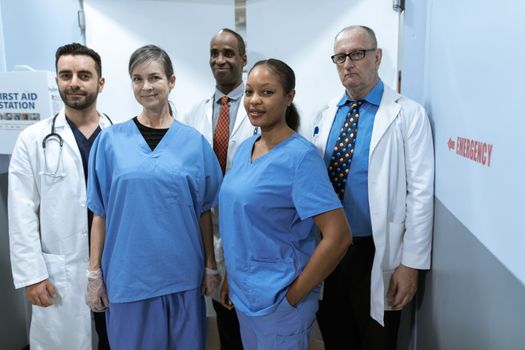
A diverse group of healthcare professionals in hospital uniforms, showcasing teamwork and diversity. Photo: RDNE Stock project / Pexels
Navigating the landscape of preventative health screenings can feel overwhelming, given the array of tests available. However, recommendations are typically tailored based on age, gender, family history, and individual risk factors, making it a personalized journey guided by your primary care provider. Understanding the general guidelines for US adults can help you prepare for discussions with your doctor and ensure you're receiving appropriate care. It's crucial to remember that these are general recommendations, and your doctor may suggest deviations based on your unique health profile. For adults in their 20s and 30s, the focus is often on establishing baseline health and identifying early risk factors. Regular physical exams, including blood pressure checks, cholesterol screenings (especially if there's a family history of heart disease or other risk factors), and diabetes screenings (HbA1c or fasting glucose, particularly if overweight or obese) are vital. Women in this age group should begin regular Pap tests for cervical cancer screening, typically starting at age 21, and continue with annual well-woman exams that include breast exams. Men should also have regular check-ups to discuss general health, testicular self-exams, and any family history that might necessitate earlier screening for conditions like prostate cancer. Immunizations, such as the flu shot annually and tetanus-diphtheria-pertussis (Tdap) booster every 10 years, are also crucial. As adults move into their 40s and 50s, the scope of preventative screenings broadens to include a greater emphasis on cancer detection and cardiovascular health. For women, mammograms typically begin at age 40 or 50, depending on individual risk and physician recommendations, continuing every one to two years. Colon cancer screening usually starts at age 45 for both men and women, with options including colonoscopy, stool-based tests, or sigmoidoscopy. These screenings are critical as colon cancer often develops without symptoms in its early, highly treatable stages. Bone density screenings (DEXA scans) may be recommended for women around menopause, or earlier if there are risk factors for osteoporosis. For men, discussions about prostate cancer screening with a PSA test typically begin around age 50, or earlier for those with a family history or of African American descent. Beyond these specific tests, ongoing monitoring of blood pressure, cholesterol, and blood sugar remains paramount for all adults. Lifestyle counseling, including advice on diet, exercise, and stress management, becomes increasingly important as the risk of chronic diseases rises with age. Eye exams to screen for glaucoma and other vision issues, and hearing tests, also become more relevant. Staying up-to-date with vaccinations, including the shingles vaccine for older adults, is also a key component of preventive care. The goal across all age groups is to be proactive, using the insights gained from these screenings to make informed decisions and partner with your healthcare provider in maintaining optimal health throughout your adult life. This tiered approach ensures that screenings are both comprehensive and appropriately timed for maximum benefit and minimal unnecessary intervention.

Understanding the Impact: Early Detection Through Comprehensive Adult Health Checks

Female dentist explaining dental x-ray to a male patient in a modern clinic. Photo: Gustavo Fring / Pexels
The impact of early detection through comprehensive preventative health screenings for adults cannot be overstated. It is a paradigm shift from reactive medicine, which waits for illness to manifest, to proactive health management, which seeks to intercept health issues at their most nascent stages. This approach is not merely about extending life but significantly enhancing its quality, minimizing suffering, and reducing the burden of advanced disease on individuals, families, and the healthcare system. The scientific evidence overwhelmingly supports the efficacy of early detection for a wide array of conditions, making it a cornerstone of modern medical practice. Consider the realm of cardiovascular disease, the leading cause of death globally. Early detection through cholesterol panels, blood pressure monitoring, and discussions about family history and lifestyle can identify individuals at high risk for heart attacks and strokes. Interventions at this stage, such as dietary changes, increased physical activity, and medication for hypertension or hyperlipidemia, can prevent the irreversible damage associated with advanced cardiovascular disease. Without these screenings, many individuals would remain unaware of their escalating risk until a critical event occurs, often leading to permanent disability or premature death. The ability to modify risk factors before symptoms arise is a testament to the power of preventive care. Similarly, the early detection of various cancers through screenings like mammograms, colonoscopies, and Pap tests has revolutionized oncology. When breast cancer is found as a small, localized tumor through a mammogram, the chances of successful treatment and full recovery are dramatically higher than if it's discovered only after a palpable lump or other symptoms emerge. The same holds true for colon cancer; polyps, which are often precursors to cancer, can be identified and removed during a colonoscopy, effectively preventing cancer from developing. This preemptive intervention spares patients from more aggressive treatments, reduces mortality rates, and improves long-term prognosis. Learning about cancer prevention is a vital part of this journey. Beyond major diseases, early detection also plays a crucial role in managing chronic conditions like diabetes. Prediabetes, a condition where blood sugar levels are higher than normal but not yet high enough to be type 2 diabetes, can be identified through routine blood tests. This window of opportunity allows for significant lifestyle changes – diet, exercise, and weight loss – that can often prevent the progression to full-blown type 2 diabetes, thereby avoiding its myriad complications, including nerve damage, kidney disease, vision loss, and cardiovascular issues. The economic benefits are also substantial; preventing chronic diseases or detecting them early can significantly reduce healthcare costs associated with advanced treatment, hospitalizations, and long-term care. Ultimately, comprehensive adult health checks are an investment in a healthier, more productive, and less burdened future, allowing individuals to live fuller, more active lives.

Maximizing Your Preventative Health Screenings: Tips and Common Mistakes to Avoid

Doctor hands examining and pointing at medical charts in a close-up view. Photo: cottonbro studio / Pexels
To truly harness the power of preventative health screenings for adults, it’s not enough to simply attend appointments; it requires active participation and informed decision-making. Maximizing the benefits involves several key strategies and an awareness of common pitfalls that can diminish their effectiveness. By being proactive and prepared, you can ensure your screenings are as comprehensive and beneficial as possible. **Tips for Maximizing Your Screenings:** * **Maintain a Regular Primary Care Relationship:** Establish a long-term relationship with a primary care physician (PCP) who knows your medical history, family history, and lifestyle. This continuity of care is invaluable for personalized screening recommendations and understanding your overall health trajectory. * **Come Prepared to Appointments:** Before your annual physical, jot down any health concerns, new symptoms (no matter how minor), changes in lifestyle, or questions you have. Bring a list of all medications, supplements, and allergies. This ensures you cover all important topics during your limited appointment time. * **Be Honest and Thorough:** Provide complete and honest information about your lifestyle, diet, exercise habits, smoking, alcohol consumption, and any drug use. This sensitive information is crucial for your doctor to accurately assess your risk factors and recommend appropriate screenings. * **Understand Your Family History:** Talk to your relatives about their health conditions, especially chronic diseases like heart disease, diabetes, and cancers. This information can significantly influence your screening schedule and recommendations. * **Follow Through on Referrals:** If your PCP recommends a specialist or a specific test, schedule it promptly. Delays can negate the benefit of early detection. * **Ask Questions:** Don't hesitate to ask your doctor to explain why a particular screening is recommended, what the results mean, and what the next steps are. Being an informed patient is empowering. * **Leverage Technology:** Utilize patient portals to access your test results, communicate with your doctor, and track your health metrics. **Common Mistakes to Avoid:** * **Skipping Annual Physicals:** Even if you feel perfectly healthy, annual check-ups are fundamental for preventative care. Many serious conditions are asymptomatic in their early stages. * **Ignoring Symptoms:** Dismissing new or persistent symptoms as 'nothing' can lead to delayed diagnosis. If something feels off, discuss it with your doctor. * **Self-Diagnosing with Online Information:** While online resources can be informative, they should never replace professional medical advice. Misinformation or misinterpretation can lead to unnecessary anxiety or, worse, a missed diagnosis. * **Assuming All Screenings Are Universally Necessary:** Not every screening is right for everyone. Over-screening can lead to false positives, unnecessary anxiety, and potentially harmful follow-up procedures. Trust your doctor to guide you on personalized recommendations. * **Neglecting Lifestyle Factors:** Thinking that screenings alone will keep you healthy is a mistake. Screenings are a tool, but a healthy lifestyle (diet, exercise, stress management, adequate sleep) is the foundation of preventative health. * **Not Understanding Insurance Coverage:** Be aware of what your insurance plan covers regarding preventative services. Many plans cover preventative care at 100%, but understanding the specifics can prevent unexpected costs. By adopting these tips and avoiding common missteps, you can transform your preventative health screenings into a powerful strategy for lifelong wellness and proactive health management.

Comparison

Screening TypeRecommended Age (General)Frequency (General)Primary Purpose
Annual Physical ExamAll adultsAnnuallyOverall health assessment, risk factor identification
Blood Pressure CheckAll adultsAt least every 2 years (more often if high)Detect hypertension, prevent heart disease/stroke
Cholesterol ScreeningStarting 20s-30sEvery 4-6 years (more often if high risk)Detect high cholesterol, prevent heart disease
Diabetes Screening (HbA1c/Glucose)Starting 35 (or earlier if risk factors)Every 3 years (more often if prediabetic)Detect prediabetes/diabetes
Colorectal Cancer ScreeningStarting 45Every 1-10 years (depending on method)Detect polyps/early colorectal cancer
Mammogram (Women)Starting 40-50Every 1-2 yearsDetect breast cancer
Pap Test (Women)Starting 21Every 3-5 years (depending on HPV testing)Detect cervical cancer
Prostate Cancer Screening (Men)Starting 50 (or 40-45 if high risk)Discuss with doctor, typically every 1-2 yearsDetect prostate cancer (PSA test)
Bone Density Scan (Women)Starting 65 (or earlier if risk factors)Every 2 years (if osteoporosis diagnosed)Detect osteoporosis

What Readers Say

"My annual preventative health screenings for adults caught my high cholesterol before it became a major issue. My doctor guided me through dietary changes, and now my numbers are perfect. It's truly life-changing to catch these things early."

Sarah J. · Austin, TX

"I used to dread going to the doctor, but my last wellness exam discovered a pre-diabetic condition. Thanks to preventative health screenings for adults, I made lifestyle changes and avoided developing full-blown diabetes. I feel so much better now."

Mark D. · Chicago, IL

"A routine mammogram, part of my preventative health screenings for adults, found a tiny lump that turned out to be early-stage breast cancer. Because it was caught so early, treatment was very successful. I'm incredibly grateful for these screenings."

Emily R. · Seattle, WA

"While some screenings felt unnecessary at my age, discussing the risks and benefits with my doctor for preventative health screenings for adults helped me understand their value. It's reassuring to have a baseline and know I'm staying on top of my health, even if it adds to my appointments."

David K. · Miami, FL

"As a busy professional, I appreciate the efficiency of modern preventative health screenings for adults. My doctor's office streamlines the process, and knowing I'm taking care of myself frees up mental space. It's an essential part of my self-care routine."

Jessica L. · Denver, CO

Frequently Asked Questions

What are the most important preventative health screenings for adults?

The most important preventative health screenings for adults typically include annual physical exams, blood pressure checks, cholesterol screenings, diabetes screenings, and age/gender-specific cancer screenings like mammograms, Pap tests, and colonoscopies. Your primary care provider will tailor these recommendations based on your individual risk factors, family history, and lifestyle, ensuring you receive the most relevant and effective care for your unique health profile.

Are preventative health screenings for adults covered by insurance in the US?

Yes, under the Affordable Care Act (ACA), most private health insurance plans, as well as Medicare and Medicaid, are required to cover a wide range of preventative services, including many common preventative health screenings for adults, often without any co-pay or deductible. However, it's always best to check with your specific insurance provider to understand your plan's exact coverage details and any specific requirements, such as in-network providers.

How often should I get preventative health screenings?

The frequency of preventative health screenings for adults varies depending on the specific test, your age, gender, overall health, and risk factors. For example, annual physicals are generally recommended, while colonoscopies might be every 10 years for average risk individuals, and mammograms every 1-2 years for women over 40-50. Your primary care physician will provide a personalized schedule during your annual wellness visit, ensuring optimal timing for each screening.

What is the cost of preventative health screenings for adults if I don't have insurance?

The cost of preventative health screenings for adults without insurance can vary significantly depending on the type of screening and the healthcare provider. A basic physical might range from $100-$300, while blood tests could add another $50-$200 per panel. More complex screenings like mammograms or colonoscopies can cost several hundred to a few thousand dollars. Many clinics offer sliding scale fees or payment plans, and community health centers often provide low-cost options. It's advisable to call providers in advance for pricing and explore local resources.

How do preventative health screenings for adults compare to diagnostic tests?

Preventative health screenings for adults are performed on seemingly healthy individuals to detect potential health problems early, before symptoms appear, or to assess risk factors. Diagnostic tests, on the other hand, are conducted when a person is already experiencing symptoms or has an abnormal screening result, with the goal of identifying or confirming a specific disease or condition. Screenings are proactive, while diagnostic tests are reactive to a presenting concern.

Who should prioritize preventative health screenings for adults?

Every adult should prioritize preventative health screenings, regardless of how healthy they feel. However, certain groups should be particularly diligent, including individuals with a family history of chronic diseases (like cancer or heart disease), those with existing risk factors (such as obesity, high blood pressure, or high cholesterol), and individuals above certain age thresholds where risk of specific conditions increases. Pregnant women and those planning pregnancy also have specific preventative screening needs.

Are there any risks associated with preventative health screenings for adults?

While generally safe and highly beneficial, some preventative health screenings for adults carry minor risks. These can include false positives (leading to unnecessary anxiety and further testing), false negatives (providing a false sense of security), exposure to radiation (in imaging tests like mammograms or X-rays, though minimal), or discomfort/minor complications from invasive procedures (like colonoscopy). Your doctor will discuss these risks and benefits to help you make informed decisions about your personalized screening plan.

What future trends are expected in preventative health screenings for adults?

Future trends in preventative health screenings for adults are likely to include more personalized medicine, leveraging genetic testing and artificial intelligence to create highly individualized screening protocols. We can also expect advancements in less invasive screening methods, such as liquid biopsies for cancer detection, and increased integration of wearable technology for continuous health monitoring. The focus will continue to shift towards predictive analytics and precision prevention, aiming to intervene even earlier and more effectively.

Don't wait for symptoms to appear; take charge of your health today. Schedule your preventative health screenings for adults with your primary care provider and invest in a healthier, more vibrant future. Proactive care is the ultimate form of self-care.

Topics: preventative health screenings for adultsadult health checkspreventive care USearly disease detectionwellness exams
Leo List
Brampton weed
Adultwork