Quick Guide to Cannabis Vape Labels: Decode Your Medicine
July 30, 2026 16 min read 3,248 words
Navigate the complex world of cannabis vape labels to ensure safe, effective, and informed medical cannabis use.
Start Decoding Now
Understanding Cannabinoid Potency on Vape Labels
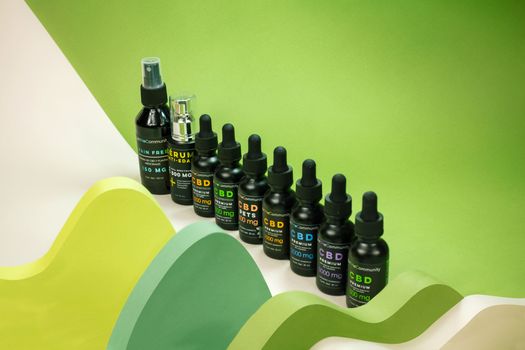 Photo: Saul Rivera / Pexels
For medical cannabis patients, the potency of a vape product is often the first and most critical piece of information they seek. Cannabis vape labels in the US are legally required to display the concentration of key cannabinoids, primarily Tetrahydrocannabinol (THC) and Cannabidiol (CBD). These are typically presented as percentages (e.g., 75% THC, 10% CBD) or in milligrams (e.g., 750mg THC per 1g cartridge). Understanding these numbers is paramount for effective dosing and managing therapeutic outcomes. THC is the primary psychoactive compound, responsible for the 'high' associated with cannabis, but also offers significant medical benefits such as pain relief, anti-nausea effects, and appetite stimulation. CBD, on the other hand, is non-intoxicating and is lauded for its anti-inflammatory, anxiolytic, and anti-seizure properties. Many medical patients seek a balanced ratio of THC to CBD, as CBD can modulate some of the intoxicating effects of THC while enhancing its therapeutic potential through the 'entourage effect.'
When evaluating potency, consider the total amount of cannabinoids in the cartridge, usually expressed in grams or milliliters (e.g., 0.5g or 1g cartridges). A 1-gram cartridge with 70% THC contains 700mg of THC (1000mg * 0.70). This allows patients to calculate their approximate dose per puff, though this can vary based on the device and individual inhalation technique. For instance, if a vape pen delivers roughly 2-3mg of THC per 3-second puff, a patient can gauge how many puffs they might need to achieve their desired effect without over-medicating. It’s important to start with a low dose and gradually increase until the desired therapeutic effect is achieved, especially for new users or when trying a new product. High THC percentages don't always equate to 'better' for medical use; sometimes a lower potency or a balanced THC:CBD ratio is more effective for specific conditions. Always consult with a qualified medical professional or dispensary staff to understand how different potencies might impact your specific medical needs. Labels should also distinguish between THCA (tetrahydrocannabinolic acid) and THC, or CBDA (cannabidiolic acid) and CBD. THCA and CBDA are raw, non-psychoactive precursors that convert to their active forms when heated (decarboxylation). In vape products, the cannabis oil has typically already undergone decarboxylation, meaning the THC and CBD percentages usually refer to the active forms. However, some labels might list 'Total THC' or 'Total CBD' which accounts for the potential conversion. A thorough understanding of these figures empowers patients to make informed decisions about their medication. For more on understanding medical cannabis, explore our guide on
choosing the right cannabis strain for pain management.
Beyond THC and CBD, some labels may also list minor cannabinoids like CBG (Cannabigerol), CBN (Cannabinol), or CBC (Cannabichromene). While present in smaller quantities, these compounds are gaining attention for their unique therapeutic properties. CBG, for example, is being researched for its potential anti-inflammatory and neuroprotective effects, while CBN is often associated with sedative properties. The presence and concentration of these minor cannabinoids can contribute to the overall therapeutic profile of a vape product. A label that provides a comprehensive cannabinoid profile offers a more complete picture of the product's potential effects, allowing patients to select products that align more closely with their specific health goals. This level of detail is a hallmark of high-quality, transparent cannabis products, reflecting a commitment to patient education and safety. Always prioritize products from reputable brands that provide detailed and verifiable cannabinoid information.
Decoding Terpenes and Ingredient Lists on Vape Cartridges
 Photo: Elsa Olofsson / Pexels
While cannabinoids like THC and CBD are central to cannabis's effects, terpenes play an equally vital, though often overlooked, role, especially for medical patients. Terpenes are aromatic compounds found in plants, including cannabis, that give strains their distinctive scents and flavors – from the piney notes of Alpha-Pinene to the citrusy zest of Limonene and the earthy undertones of Myrcene. More than just providing sensory appeal, terpenes interact synergistically with cannabinoids and other plant compounds, a phenomenon known as the 'entourage effect.' This interaction can significantly modulate the therapeutic outcomes of cannabis, influencing everything from the intensity of the 'high' to the specific medical benefits achieved. For instance, Myrcene is often associated with sedative effects, while Limonene is linked to mood elevation and stress relief. For a medical patient seeking relief from anxiety, a product rich in Limonene might be more beneficial than one with a high concentration of Myrcene.
Cannabis vape labels, particularly those for full-spectrum or live resin products, often include a terpene profile, listing the dominant terpenes and their percentages. This information is invaluable for patients who understand how different terpenes affect them. It allows for a more personalized approach to cannabis medicine, moving beyond just THC/CBD percentages. If a label doesn't explicitly list terpenes, it might indicate a distillate product, which often has terpenes stripped out and then re-added, or a product that hasn't been thoroughly tested for its full chemical profile. Patients should look for products that provide a comprehensive terpene analysis, as this indicates a higher level of transparency and quality control. Understanding terpene profiles can help patients predict the 'feel' of a product, guiding them toward strains or formulations that best address their symptoms, whether it's for sleep, pain, mood, or energy.
The ingredient list is another crucial section on a vape label that demands careful scrutiny. For medical patients, knowing exactly what they are inhaling is paramount. Beyond cannabis extract, vape cartridges can contain various additives, some of which raise health concerns. Common cutting agents or diluents include MCT oil, Propylene Glycol (PG), Vegetable Glycerin (VG), and Vitamin E Acetate. While some of these, like PG and VG, are generally recognized as safe for ingestion, their long-term effects when heated and inhaled are still being studied, and Vitamin E Acetate has been strongly linked to lung injuries (EVALI). Reputable brands are moving away from these potentially harmful additives, opting for pure cannabis extracts or naturally derived terpenes to maintain viscosity and flavor.
Patients should look for labels that explicitly state 'no cutting agents,' 'no artificial flavors,' or '100% cannabis derived terpenes.' A short, transparent ingredient list is generally a good sign. If the label lists obscure chemicals or proprietary blends, it warrants further investigation or avoidance. Flavorings, both natural and artificial, can also be present. While natural flavors derived from botanical sources might be harmless, artificial flavorings can contain compounds whose inhalation safety is not fully established. For individuals with allergies or sensitivities, checking the ingredient list for potential allergens is critical. Some vape products may also contain residual solvents from the extraction process; a quality product will have undergone rigorous testing to ensure these are below detectable or safe limits, information often found in the lab results accessible via a QR code. By carefully examining both the terpene profile and the ingredient list, medical cannabis users can make informed choices, prioritizing their health and ensuring they are using a pure, effective, and safe product.
For more options, check out MJ420 Delivery.
Navigating Safety, Testing, and Compliance Information
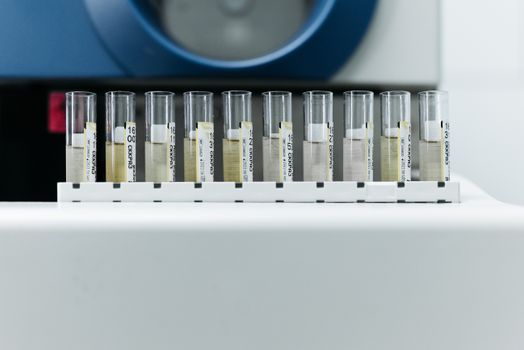 Photo: Pavel Danilyuk / Pexels
Beyond potency and ingredients, the safety and compliance information on a cannabis vape label are non-negotiable for medical patients. In the US, cannabis regulations vary significantly by state, but most legal markets mandate comprehensive third-party lab testing for all products. This testing is designed to ensure consumer safety by identifying and quantifying potential contaminants that could pose serious health risks. Key contaminants tested for include pesticides, heavy metals, residual solvents, and microbial impurities (like mold, mildew, and bacteria). Pesticides, even those approved for food crops, can become toxic when vaporized and inhaled. Heavy metals, such as lead or cadmium, can leach into the cannabis oil from cultivation or faulty vape hardware. Residual solvents, remnants from the extraction process (e.g., butane, propane, ethanol), must be below strict regulatory limits to prevent harm. Microbial contaminants, if present, can cause respiratory issues, especially in immunocompromised patients.
Reputable cannabis vape labels will prominently feature a batch number or lot number, along with a QR code. This QR code is your direct link to transparency and safety. Scanning it with your smartphone should lead you to the product's Certificate of Analysis (CoA) from an accredited, independent third-party laboratory. The CoA is the definitive document that details all the testing results, including cannabinoid and terpene profiles, and, critically, confirms the absence of harmful contaminants. Patients should always verify that the lab report matches the product in hand (by checking the batch number), that the lab is truly independent (not affiliated with the producer), and that all tested contaminants are within acceptable limits or undetectable. If a label lacks a QR code or batch number, or if the QR code leads to a dead link or incomplete information, it's a significant red flag that should prompt caution. For further reading on cannabis safety, consider our article on
understanding lab results for medical marijuana products.
State-specific warnings and compliance symbols are also crucial components of a cannabis vape label. These often include the universal cannabis symbol (a triangle with a cannabis leaf and exclamation point), warnings about impairment, risks for pregnant or breastfeeding individuals, and the legal age for consumption. Specific state symbols (e.g., California's 'CA' symbol or Colorado's 'MED' symbol) indicate that the product has met the regulatory requirements of that particular state. These symbols are not just bureaucratic formalities; they serve as quick visual cues that the product has undergone the necessary checks and balances to be sold legally within that jurisdiction. The label will also typically include the net weight of the product, the manufacturing date, and an expiration or 'best by' date. While cannabis doesn't typically 'spoil' in the traditional sense, its potency and terpene profile can degrade over time, affecting efficacy and flavor. Paying attention to these dates ensures you're consuming a product at its optimal quality.
Finally, the manufacturer's or distributor's information should be clearly displayed, including their name and contact details. This provides accountability and a channel for consumers to report issues or ask questions. A brand that stands behind its product will make it easy to contact them. In summary, the safety and compliance section of a cannabis vape label is your assurance of quality and legality. By diligently checking batch numbers, scanning QR codes for lab results, and understanding state-specific warnings, medical cannabis patients can confidently choose products that are not only effective but also safe for their health.
Common Mistakes and Best Practices When Reading Vape Labels
 Photo: RDNE Stock project / Pexels
Navigating cannabis vape labels can be tricky, and several common mistakes can lead to suboptimal or even unsafe choices for medical patients. One frequent error is focusing solely on THC percentage. While THC is a key cannabinoid, fixating on the highest percentage without considering the full cannabinoid and terpene profile can be misleading. A product with 90% THC might be potent, but if it lacks beneficial terpenes or other minor cannabinoids, its overall therapeutic effect might be less desirable than a 70% THC product with a rich, well-rounded profile that promotes the entourage effect. Patients should aim for a holistic understanding of the product’s chemistry, not just a single number.
Another mistake is neglecting the ingredient list. Many patients assume all vape products are 'pure' cannabis extract, but this isn't always the case. Failing to check for cutting agents like Vitamin E Acetate, MCT oil, or artificial flavorings can expose users to potentially harmful substances. Always prioritize products with transparent, minimal ingredient lists, ideally containing only cannabis oil and naturally derived terpenes. Furthermore, patients sometimes overlook the manufacturing and expiration dates. While cannabis has a decent shelf life, potency can degrade, and terpenes can evaporate over time, leading to a less effective and flavorful experience. Always check these dates to ensure you're getting a fresh product.
Here are some best practices for medical cannabis patients when reading vape labels:
* **Always Scan the QR Code:** This is your most powerful tool. It provides direct access to third-party lab results, confirming potency, purity, and safety. Do not skip this step.
* **Compare Batch Numbers:** Ensure the batch number on the label matches the one on the Certificate of Analysis (CoA). This verifies that the lab results correspond to the specific product you are holding.
* **Understand Your Needs:** Before even looking at a label, know what you're trying to achieve (e.g., pain relief, sleep, anxiety reduction). This will help you focus on relevant cannabinoids (THC:CBD ratios) and terpenes.
* **Start Low, Go Slow:** Even with a clear label, individual responses to cannabis vary. Begin with a low dose and gradually increase until you find your optimal therapeutic window.
* **Consult Dispensary Staff:** Qualified dispensary staff (budtenders) are a valuable resource. They can help interpret labels, explain different product types, and recommend options based on your medical conditions and preferences.
* **Prioritize Transparency:** Choose brands that are transparent about their cultivation, extraction, and testing processes. A comprehensive, easy-to-understand label is a strong indicator of a reputable brand.
* **Educate Yourself Continuously:** Cannabis science is evolving. Stay informed about new research, product types, and regulatory changes to make the best decisions for your health.
By avoiding these common pitfalls and adopting these best practices, medical cannabis patients can confidently navigate vape labels, ensuring they select products that are safe, effective, and tailored to their individual therapeutic needs. Being an informed consumer is your best defense against potentially harmful or ineffective products in the medical cannabis market.
