✓ Type 2 diabetes often develops gradually, with symptoms that can be subtle at first.
✓ Early detection of type 2 diabetes is crucial for preventing severe complications.
✓ Many signs, such as increased thirst and frequent urination, are common but often overlooked.
✓ Lifestyle changes play a significant role in managing and potentially reversing type 2 diabetes.
How It Works
1
Understand the Basics
Learn what type 2 diabetes is and how it affects your body's ability to regulate blood sugar. This foundational knowledge is key to recognizing symptoms.
2
Identify Common Symptoms
Familiarize yourself with the most frequent signs like excessive thirst, frequent urination, unexplained weight loss, and fatigue. These are often the first indicators.
3
Recognize Subtle Indicators
Pay attention to less obvious symptoms such as blurred vision, slow-healing sores, and recurring infections. These can also point to underlying diabetes.
4
Consult a Healthcare Professional
If you experience any combination of these symptoms, do not hesitate to seek medical advice. Early diagnosis allows for timely intervention and better health outcomes.
Understanding the Early Warning Signs of Type 2 Diabetes
Photo: oscar Williams / Pexels
Type 2 diabetes is a chronic condition that affects how your body processes blood sugar (glucose). Glucose is vital to your health because it's an important source of energy for the cells that make up your muscles and tissues, and it's your brain's main source of fuel. If you have type 2 diabetes, your body either doesn't produce enough insulin or resists the effects of insulin. Insulin is a hormone that regulates the movement of sugar into your cells. Uncontrolled blood sugar can lead to serious health problems. The insidious nature of type 2 diabetes often means that its early signs can be subtle, easily dismissed as minor inconveniences or attributed to other factors like stress or aging. However, recognizing these early warning signs is paramount for timely intervention and preventing severe, long-term complications. Many people live with type 2 diabetes for years without knowing it, which is why it's sometimes called a 'silent killer.' This delay in diagnosis can result in significant damage to various organs before any formal diagnosis is made. Understanding these initial indicators empowers individuals to seek medical advice sooner rather than later. For instance, an increase in thirst, known medically as polydipsia, is one of the hallmark signs. You might find yourself constantly reaching for water, even after having just drunk a significant amount. This excessive thirst is directly linked to the body's attempt to flush out excess glucose through increased urination. Similarly, polyuria, or frequent urination, especially at night, is another common early symptom. When there's too much glucose in your bloodstream, your kidneys work overtime to filter and absorb it. When they can't keep up, the excess sugar is excreted into your urine, dragging along fluids from your tissues, which makes you urinate more often. This creates a vicious cycle where increased urination leads to increased thirst. Another critical sign to watch for is unexplained weight loss. Despite eating more, some individuals with type 2 diabetes may lose weight. This occurs because, without enough insulin, your body can't get glucose from the blood into your cells for energy. As a result, it starts burning fat and muscle for energy, leading to weight loss. This can be particularly alarming if you haven't made any conscious efforts to lose weight. Fatigue is another pervasive symptom that can significantly impact daily life. Feeling constantly tired, even after a good night's sleep, is common. This fatigue stems from the cells not receiving enough glucose for energy, leaving the body feeling drained and sluggish. These initial symptoms, while seemingly minor individually, can collectively point towards a significant underlying condition. It's crucial not to ignore them and to consult a healthcare provider if you notice any persistent changes in your body. Early diagnosis can lead to effective management strategies, including lifestyle modifications and, if necessary, medication, thereby improving overall health outcomes and quality of life. For more information on preventative care, visit our guide to preventative health. Identifying these signs promptly can make a profound difference in managing the condition before it progresses to more advanced stages with more severe health consequences. Taking proactive steps based on these early warnings is the first line of defense against the long-term effects of type 2 diabetes.
Delving Deeper into Less Obvious Symptoms and Complications
Photo: cottonbro studio / Pexels
Beyond the more common and easily recognizable signs, type 2 diabetes can manifest through a variety of less obvious symptoms that are equally important to identify. These subtle indicators often go unnoticed or are misattributed to other health issues, further delaying a proper diagnosis. One such symptom is blurred vision. High blood sugar levels can affect the small blood vessels in your eyes, causing fluid to shift into and out of the lenses, which can lead to temporary changes in vision. While this blurring might come and go, persistent or worsening blurred vision warrants immediate medical attention, as prolonged high blood sugar can lead to more serious eye conditions like diabetic retinopathy. Another significant, yet often overlooked, symptom is slow-healing sores or frequent infections. High blood sugar impairs the body's ability to heal and fight off infections. Elevated glucose levels can damage nerves and blood vessels, particularly in the extremities, reducing blood flow and making it harder for wounds to heal. This can lead to minor cuts, blisters, or sores becoming infected and taking an unusually long time to recover. Common infections might include skin infections, bladder infections, gum infections, or yeast infections. For women, recurrent vaginal yeast infections can be a particularly strong indicator of undiagnosed diabetes. Numbness or tingling in the hands and feet, known as diabetic neuropathy, is another subtle but serious symptom. Over time, high blood sugar can damage nerve fibers throughout the body, most commonly in the legs and feet. This nerve damage can lead to sensations of tingling, numbness, burning, or pain, which can worsen over time and significantly impact quality of life. This symptom highlights the importance of regular foot checks for individuals at risk or diagnosed with diabetes. Darkening of the skin, particularly in the armpits, neck, and groin area, known as acanthosis nigricans, is a visual sign of insulin resistance, a precursor to type 2 diabetes. This condition causes the skin to become thicker and darker, almost velvety to the touch. While it's a skin condition, its presence is a strong indicator of underlying metabolic issues that should prompt a conversation with a doctor. Irritability and mood changes can also be linked to fluctuating blood sugar levels. When blood sugar is high or low, it can affect brain function and lead to feelings of anxiety, mood swings, or difficulty concentrating. These psychological symptoms are often dismissed as stress or other mental health issues, but in the context of other physical symptoms, they could be a clue to diabetes. It’s crucial to remember that these symptoms might not appear all at once, and their severity can vary greatly from person to person. The cumulative presence of several of these signs, even if seemingly minor, should prompt an immediate visit to a healthcare provider for proper evaluation and blood sugar testing. Early diagnosis and management are key to preventing the progression of these symptoms and avoiding severe complications such as heart disease, kidney failure, and stroke. Being proactive about your health by recognizing these less obvious symptoms can profoundly impact your long-term well-being and help you to live a healthier, more fulfilling life despite a diagnosis of type 2 diabetes.
Risk Factors and the Importance of Early Screening
Photo: RDNE Stock project / Pexels
Understanding the risk factors associated with type 2 diabetes is just as crucial as recognizing its symptoms. Many individuals who develop type 2 diabetes have one or more of these risk factors, which can significantly increase their susceptibility to the condition. Being aware of these factors can empower individuals to take proactive steps towards prevention or early detection. One of the primary risk factors is being overweight or obese. Excess weight, especially around the abdomen, makes cells more resistant to insulin, leading to higher blood sugar levels. A sedentary lifestyle, characterized by a lack of physical activity, also contributes significantly to insulin resistance. Regular exercise helps improve insulin sensitivity, meaning your body uses insulin more efficiently. Age is another non-modifiable risk factor; the risk of type 2 diabetes increases as you get older, typically after age 45. However, due to rising obesity rates, type 2 diabetes is increasingly being diagnosed in younger adults, adolescents, and even children. Family history plays a substantial role, too. If you have a parent or sibling with type 2 diabetes, your risk is elevated. This genetic predisposition suggests that certain genes can make you more prone to developing the condition. Ethnicity is also a factor, with certain racial and ethnic groups, including African Americans, Hispanic/Latino Americans, American Indians, and Asian Americans, having a higher risk of developing type 2 diabetes. This disparity is often attributed to a combination of genetic, environmental, and socio-economic factors. Certain medical conditions can also increase your risk. These include high blood pressure (hypertension), high cholesterol levels, and a history of gestational diabetes. Gestational diabetes, a type of diabetes that develops during pregnancy, not only increases the mother's risk of developing type 2 diabetes later in life but also poses a risk for the child. Polycystic ovary syndrome (PCOS) in women is another condition linked to an increased risk of type 2 diabetes due to associated insulin resistance. Smoking is also a significant risk factor, as it can increase insulin resistance and damage blood vessels. The importance of early screening cannot be overstated, especially for individuals with one or more of these risk factors. Since type 2 diabetes often progresses silently in its early stages, regular screenings can detect elevated blood sugar levels before symptoms become severe or complications arise. The American Diabetes Association (ADA) recommends screening for type 2 diabetes starting at age 45, or earlier if you have additional risk factors. Common screening tests include the A1C test, which measures your average blood sugar level over the past two to three months, and fasting plasma glucose tests. Early detection through screening allows for timely interventions, such as lifestyle changes like dietary modifications and increased physical activity, which can often prevent or delay the onset of full-blown diabetes. It can also lead to the initiation of medication if necessary, to manage blood sugar levels effectively. Proactive management based on early screening results can significantly reduce the risk of developing serious long-term complications such as heart attack, stroke, kidney disease, nerve damage, and vision loss. Understanding your personal risk profile and engaging in regular medical check-ups, including appropriate screenings, is a powerful strategy for maintaining long-term health and preventing the debilitating effects of unmanaged type 2 diabetes. For comprehensive guidelines on managing chronic conditions, see our guide to chronic disease management. Empowering yourself with this knowledge is the first step towards a healthier future.
Lifestyle Modifications and When to Seek Medical Attention
Photo: Towfiqu barbhuiya / Pexels
Once you are aware of the signs, symptoms, and risk factors associated with type 2 diabetes, the next crucial step involves understanding lifestyle modifications that can help manage or even prevent the condition, and knowing precisely when to seek professional medical attention. Lifestyle changes are often the cornerstone of diabetes management and prevention, offering powerful tools to improve health outcomes.
**Key Lifestyle Modifications:**
* **Dietary Changes:** Adopting a healthy eating plan is paramount. This typically involves reducing your intake of refined carbohydrates, sugary drinks, and unhealthy fats. Focus on whole, unprocessed foods such as fruits, vegetables, whole grains, lean proteins, and healthy fats. Portion control is also vital to manage calorie intake and maintain a healthy weight. Consulting a registered dietitian can provide personalized guidance tailored to your specific needs and preferences.
* **Regular Physical Activity:** Engaging in at least 150 minutes of moderate-intensity aerobic activity per week, such as brisk walking, swimming, or cycling, can significantly improve insulin sensitivity and help with weight management. Incorporating strength training exercises two to three times a week can also be beneficial, as muscle tissue uses glucose more efficiently than fat tissue.
* **Weight Management:** Losing even a small amount of weight (5-10% of your body weight) can make a substantial difference in blood sugar control and insulin sensitivity. This is often achieved through a combination of dietary changes and increased physical activity.
* **Stress Management:** Chronic stress can affect blood sugar levels. Incorporating stress-reducing activities like yoga, meditation, deep breathing exercises, or spending time in nature can be beneficial.
* **Adequate Sleep:** Poor sleep can impact insulin sensitivity and blood sugar regulation. Aim for 7-9 hours of quality sleep per night.
**When to Seek Medical Attention:**
It is imperative to seek medical attention if you experience any combination of the symptoms discussed, or if you have significant risk factors. Do not self-diagnose or attempt to manage potential diabetes solely through lifestyle changes without professional guidance.
* **Persistent Symptoms:** If you notice consistent signs like increased thirst, frequent urination, unexplained weight loss, blurred vision, or persistent fatigue, schedule an appointment with your primary care physician immediately.
* **New or Worsening Symptoms:** Any new or worsening symptoms that raise concerns about diabetes should prompt a medical consultation.
* **High-Risk Individuals:** Even without pronounced symptoms, individuals with multiple risk factors (family history, obesity, age over 45, history of gestational diabetes, etc.) should discuss regular screening with their doctor.
* **Abnormal Test Results:** If you've had a routine blood test that showed elevated blood sugar levels, even if they are in the pre-diabetes range, it's crucial to follow up with your doctor for further evaluation and guidance.
Early diagnosis and intervention are critical for managing type 2 diabetes effectively and preventing long-term complications. Your doctor can perform diagnostic tests, such as A1C, fasting blood glucose, or oral glucose tolerance tests, to confirm a diagnosis. Based on the results, they can help you develop a comprehensive treatment plan that may include lifestyle modifications, medication, or insulin therapy. Ignoring symptoms or delaying medical consultation can lead to serious health issues, including heart disease, stroke, kidney failure, nerve damage, and vision loss. Taking proactive steps and partnering with your healthcare team is the most effective way to safeguard your health.
Comparison
Feature
Early Detection
Delayed Detection
Prevention Strategies
Health Outcomes
Significantly improved
Increased risk of complications
Optimal long-term health
Treatment Complexity
Often lifestyle-based
Likely medication/insulin
Focus on healthy habits
Organ Damage
Minimized or avoided
Potential for severe damage
Greatly reduced risk
Quality of Life
Maintained or improved
Can be significantly impacted
Enhanced overall well-being
What Readers Say
★★★★★
"This article was incredibly helpful in understanding the early signs and symptoms of diabetes type 2. I realized I had several of the 'less obvious' symptoms and immediately talked to my doctor. So glad I read this!"
Sarah J. · Austin, TX
★★★★★
"I always thought diabetes symptoms were very obvious, but this piece showed me how subtle they can be. It prompted me to get screened, and now I'm making lifestyle changes before things get worse."
Mark D. · Chicago, IL
★★★★★
"After reading about the signs and symptoms of diabetes type 2 here, I recognized my frequent thirst wasn't just dehydration. My doctor confirmed pre-diabetes, and I've already lost 10 pounds and feel much better."
Jessica L. · Miami, FL
★★★★★
"The information on risk factors was particularly useful. While I don't have all the symptoms, my family history means I need to be more vigilant, and this article laid out exactly why."
David R. · Seattle, WA
★★★★★
"As a healthcare professional, I appreciate the depth and clarity of this article on the signs and symptoms of diabetes type 2. It's an excellent resource for patient education and a reminder of subtle indicators."
Emily S. · Denver, CO
Frequently Asked Questions
What are the absolute earliest signs and symptoms of diabetes type 2?
The absolute earliest signs often include increased thirst (polydipsia) and frequent urination (polyuria), particularly at night. Unexplained fatigue and gradual, unintentional weight loss can also be among the first indicators, though they might be subtle and easily overlooked.
Can I have type 2 diabetes without experiencing any noticeable symptoms?
Yes, it is very common for individuals to have type 2 diabetes for years without experiencing any noticeable symptoms. This is why it's often referred to as a 'silent disease' and highlights the importance of regular health check-ups and screenings, especially if you have risk factors.
What should I do if I suspect I have the signs and symptoms of diabetes type 2?
If you suspect you have signs and symptoms of diabetes type 2, the most important step is to schedule an appointment with your primary care physician. They can conduct diagnostic tests like an A1C test or a fasting blood glucose test to confirm a diagnosis and discuss appropriate next steps.
Are there any natural remedies or lifestyle changes that can reverse type 2 diabetes symptoms?
While there's no single 'cure,' significant lifestyle changes can often put type 2 diabetes into remission or prevent its progression. These include adopting a healthy diet (low in refined sugars and unhealthy fats), engaging in regular physical activity, and achieving a healthy weight. Always consult your doctor before making major changes.
How do the signs and symptoms of type 2 diabetes differ from type 1 diabetes?
The signs and symptoms of type 2 diabetes tend to develop gradually and are often milder than those of type 1 diabetes. Type 1 symptoms typically appear more suddenly and severely, as the body completely stops producing insulin. While both share common symptoms like thirst and frequent urination, unexplained weight loss is more pronounced in type 1, and type 2 often involves insulin resistance rather than complete insulin deficiency.
Who is most at risk for developing the signs and symptoms of diabetes type 2?
Individuals who are overweight or obese, lead a sedentary lifestyle, have a family history of diabetes, are over the age of 45, or belong to certain ethnic groups (African Americans, Hispanic/Latino Americans, American Indians, Asian Americans) are most at risk for developing signs and symptoms of diabetes type 2.
What are the potential long-term risks if I ignore the signs and symptoms of diabetes type 2?
Ignoring the signs and symptoms of diabetes type 2 can lead to severe long-term complications including heart disease, stroke, kidney failure, nerve damage (neuropathy), vision loss (retinopathy), foot problems, and even amputations. Early detection and management are crucial to prevent these serious health issues.
How will technology impact the detection and management of signs and symptoms of diabetes type 2 in the future?
Future detection and management of signs and symptoms of diabetes type 2 will likely be enhanced by continuous glucose monitoring (CGM) devices becoming more accessible, AI-powered predictive analytics based on personal health data, and advanced telemedicine platforms for remote consultations and personalized lifestyle coaching. Wearable tech could also provide earlier warnings.
Understanding the signs and symptoms of diabetes type 2 is your first and most critical step towards proactive health management. Don't wait for advanced stages; empower yourself with knowledge and consult your healthcare provider if you recognize any of these crucial indicators. Your health journey starts with awareness.

 Photo: oscar Williams / Pexels
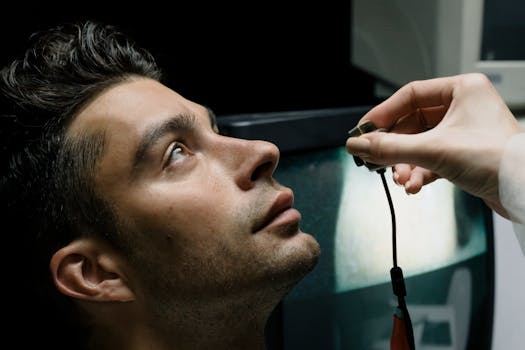 Photo: cottonbro studio / Pexels
 Photo: RDNE Stock project / Pexels
 Photo: Towfiqu barbhuiya / Pexels