How to schedule an MRI scan in New York: Your Guide

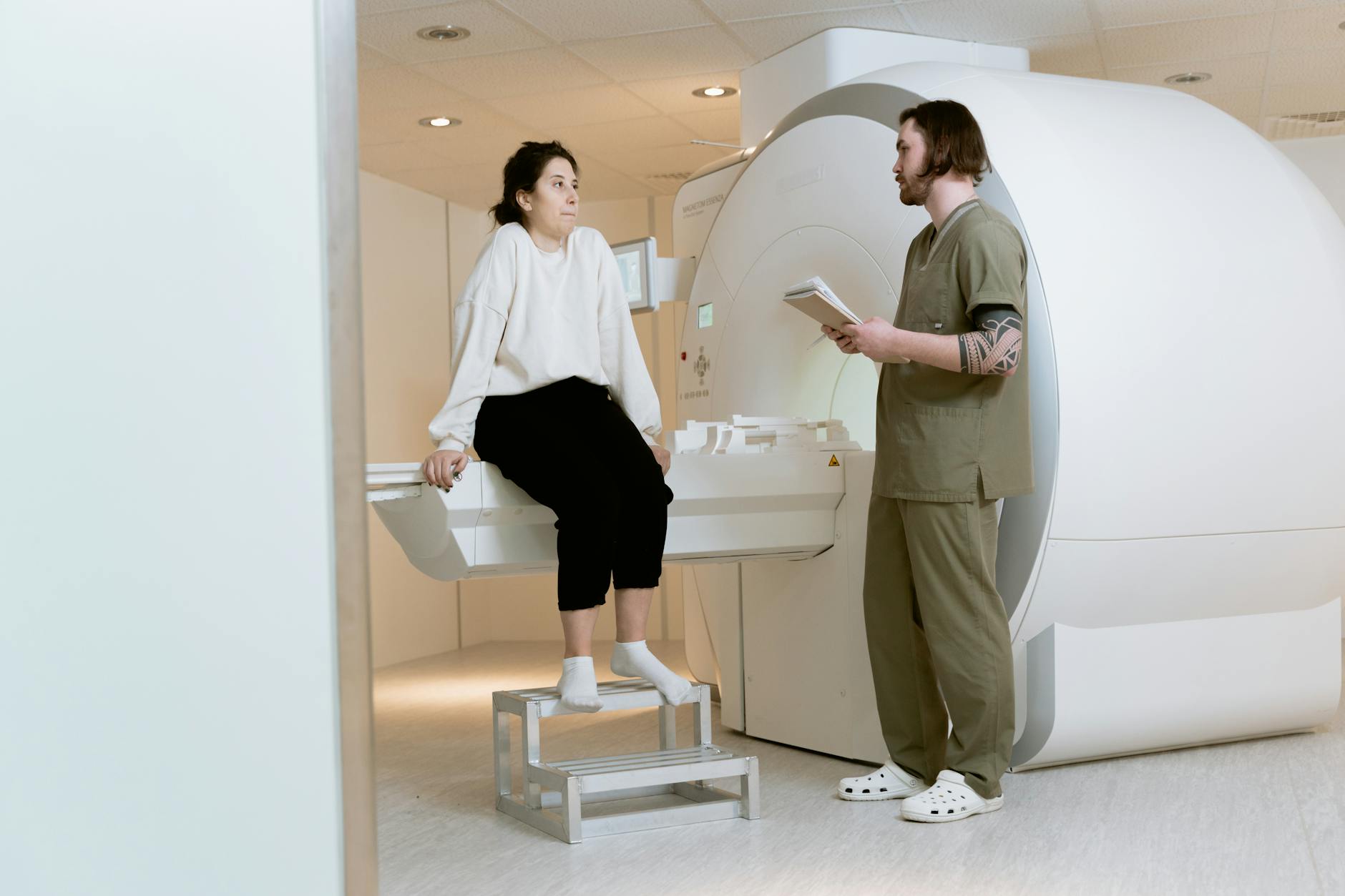
A patient consults with a technician in a modern MRI room, highlighting advanced healthcare facilities.Photo: MART PRODUCTION / Pexels

How to schedule an MRI scan in New York: Your Guide

Unlock comprehensive guidance for securing your MRI appointment in New York City, ensuring a smooth and informed experience.

Find Your MRI Center

Key Takeaways

  • ✓ An MRI (Magnetic Resonance Imaging) provides detailed images of organs, soft tissues, bone, and virtually all other internal body structures.
  • ✓ New York City offers a vast network of MRI centers, including hospital-based and outpatient facilities, each with varying costs and specialties.
  • ✓ Insurance coverage for MRI scans can differ significantly, necessitating pre-authorization and understanding your deductible/copay.
  • ✓ Preparation for an MRI typically involves removing metallic objects and informing staff of any implants or claustrophobia.

How It Works

1
Obtain a Physician's Referral

Most MRI facilities require a referral or prescription from a licensed physician detailing the type of MRI needed and the reason for the scan. This ensures medical necessity and guides the imaging process.

2
Research & Select a Facility

Compare MRI centers based on location, accreditation, equipment (e.g., open MRI for claustrophobia), cost, and insurance acceptance. Online reviews and direct calls can provide valuable insights.

3
Schedule Your Appointment

Contact your chosen facility to book your MRI scan. Be prepared to provide your physician's referral, insurance information, and discuss any specific needs or concerns you may have.

4
Prepare for the Scan

Follow all pre-scan instructions from the facility, which may include fasting, avoiding certain medications, and removing all metal items. Arrive early to complete necessary paperwork.

Understanding MRI Scans and Why You Might Need One

Polish 100 złoty notes with pills and blister packs, illustrating medical costs.Photo: Pixabay / Pexels
Magnetic Resonance Imaging (MRI) is a non-invasive diagnostic imaging technique that uses a powerful magnetic field, radio waves, and a computer to produce detailed pictures of organs, soft tissues, bone, and virtually all other internal body structures. Unlike X-rays or CT scans, MRI does not use ionizing radiation, making it a preferred option for certain conditions and patient populations. The high-resolution images generated by an MRI can help physicians diagnose a wide range of medical conditions that might not be visible with other imaging methods. For instance, it's particularly effective for examining the brain and spinal cord, detecting tumors, assessing joint injuries, evaluating abdominal organs, and diagnosing conditions affecting blood vessels. If your doctor has recommended an MRI, it's likely they are seeking a more in-depth look at a specific area of your body to confirm a diagnosis, monitor disease progression, or plan a course of treatment. Common reasons to schedule an MRI scan in New York include persistent headaches, unexplained joint pain, neurological symptoms, back pain, or to investigate abnormalities found on other imaging tests. Understanding the 'why' behind your MRI can help alleviate anxiety and reinforce the importance of the procedure. The precision of MRI technology allows for early detection and accurate characterization of many medical issues, leading to more effective and timely interventions. This diagnostic power is invaluable in the complex landscape of modern medicine, providing clarity where other methods might fall short. When facing a medical issue, having access to advanced imaging like an MRI can be a pivotal step in your healthcare journey, offering insights that guide your physician toward the best possible care plan. New York, being a hub for medical innovation, offers state-of-the-art MRI facilities equipped with the latest technology, ensuring patients receive the most accurate diagnoses. When you schedule an MRI scan, you're investing in a deeper understanding of your health. Choosing the right facility and preparing adequately are crucial steps in this process, ensuring you get the most out of your diagnostic imaging experience. The detailed images provided by an MRI allow specialists to visualize structures and pathologies with remarkable clarity, which is essential for conditions ranging from musculoskeletal injuries to complex neurological disorders. This depth of information is often indispensable for making informed clinical decisions and tailoring treatments to individual patient needs. Therefore, if your doctor suggests an MRI, it's a recommendation rooted in the pursuit of comprehensive diagnostic accuracy.

Navigating Your Options: Where to Schedule an MRI Scan in New York

New York City boasts an extensive network of MRI facilities, ranging from large hospital systems to specialized outpatient imaging centers. Each type of facility offers distinct advantages. Hospital-based MRI departments, often associated with major medical centers like NYU Langone, Mount Sinai, or NewYork-Presbyterian, typically have access to a broader range of specialists and can handle complex cases, including those requiring immediate follow-up care. They often feature the latest high-field MRI scanners and can accommodate patients with various medical conditions. However, hospital settings can sometimes involve longer wait times for appointments and may have higher costs compared to outpatient centers. Outpatient imaging centers, on the other hand, specialize solely in diagnostic imaging. They often offer more flexible scheduling, quicker appointment availability, and a more streamlined patient experience. Many outpatient centers also focus on patient comfort, providing options like open MRI machines for individuals with claustrophobia or larger body types. These facilities are frequently more cost-effective, especially for patients with high deductibles or those paying out-of-pocket, as their overheads are generally lower than those of a full-service hospital. When you're looking to schedule an MRI scan in New York, consider your specific needs. If you require a specialized scan, have complex medical history, or anticipate needing immediate consultations with multiple specialists, a hospital setting might be more appropriate. If your MRI is routine, and you prioritize convenience, speed, and potentially lower costs, an outpatient center could be your best bet. It’s also important to verify the accreditation of any facility. Look for accreditations from organizations like the American College of Radiology (ACR), which signifies that the facility meets rigorous standards for equipment, personnel, and quality control. This ensures you're receiving high-quality imaging and interpretations. Additionally, inquire about the type of MRI machine they use. High-field MRI scanners (1.5 Tesla or 3 Tesla) offer superior image quality, while open MRI machines provide a less confining experience. Some facilities even offer wide-bore MRI scanners, which are a hybrid, offering more space than traditional closed machines while maintaining good image quality. Don't hesitate to ask about the experience of the radiologists interpreting the scans; specialized radiologists can offer more precise readings for specific body parts or conditions.

Cost and Insurance Considerations for Your MRI in NYC

The cost of an MRI scan in New York can vary significantly, often ranging from a few hundred dollars to several thousand, depending on the facility, the specific type of MRI, whether contrast dye is used, and your insurance coverage. Understanding these financial aspects before you schedule an MRI scan in New York is crucial to avoid unexpected bills. The first step is to contact your insurance provider. Inquire about your plan's coverage for diagnostic imaging, specifically MRI scans. Ask about your deductible, copay, and coinsurance amounts for outpatient and inpatient imaging services. Many insurance plans require pre-authorization for MRI scans, meaning your doctor must get approval from your insurer before the procedure can be performed. Failing to obtain pre-authorization can result in your claim being denied, leaving you responsible for the full cost. Be proactive and ensure your physician's office handles this paperwork well in advance of your appointment. If you have a high-deductible health plan, or if your insurance doesn't cover a significant portion of the cost, consider calling several facilities to compare prices. Outpatient imaging centers often offer more competitive rates than hospital-based departments. Some centers even provide discounted rates for self-pay patients. When comparing costs, ensure you're getting a comprehensive quote that includes the scan itself, the radiologist's interpretation fee, and any charges for contrast material if needed. Don't be afraid to negotiate, especially if you're paying out-of-pocket. Transparency in healthcare pricing is improving, but it still requires diligence on the patient's part. Furthermore, inquire about payment plans if the upfront cost is substantial. Many facilities are willing to work with patients to make healthcare more affordable. Remember that even with insurance, you may still be responsible for a portion of the cost, so budgeting and understanding your financial responsibility upfront can save you a lot of stress. Always get an estimated bill in writing if possible. This empowers you to make an informed decision and choose a facility that aligns with both your medical needs and your financial situation. For those navigating complex insurance situations, consider contacting your insurer directly or seeking assistance from patient advocacy groups to understand your benefits fully before you proceed with scheduling. This proactive approach to understanding costs is a vital part of the overall process.

Preparing for Your MRI Scan: Essential Tips for a Smooth Experience

Proper preparation is key to ensuring a successful and comfortable MRI scan. Once you've decided where to schedule an MRI scan in New York and booked your appointment, you'll likely receive specific instructions from the facility. Adhering to these guidelines is crucial. Here are some general tips to help you prepare: * **Inform About Medical History:** Before your scan, you'll be asked about your medical history. It's critical to disclose any metal implants (pacemakers, artificial joints, surgical clips, shrapnel), tattoos, or allergies, especially to contrast dye. Some implants are MRI-safe, while others are not, and the magnetic field can be dangerous or interfere with the device. Always bring a card or documentation if you have an implant. * **Dress Comfortably and Remove Metal:** Wear loose, comfortable clothing without zippers, snaps, or metal embellishments. You will likely be asked to change into a gown. Remove all jewelry, watches, hairpins, glasses, hearing aids, and any other metallic objects before entering the MRI suite. Even metallic threads in clothing can cause image distortion. * **Fasting Requirements:** For some MRI scans, particularly those of the abdomen or pelvis, you may be instructed to fast for several hours prior to the exam. Follow these instructions precisely to ensure clear images. * **Medications:** Generally, you can continue taking your prescribed medications unless otherwise instructed by your doctor or the MRI facility. If you have concerns, discuss them with your physician. * **Claustrophobia Management:** If you experience claustrophobia, inform the facility when you schedule your appointment. They may offer options like open MRI machines, sedation, or allow you to bring a friend or family member for support. Practicing relaxation techniques or listening to music (if permitted) can also help. * **Arrive Early:** Plan to arrive 15-30 minutes before your scheduled appointment time. This allows ample time for check-in, paperwork, changing, and asking any last-minute questions. Being rushed can increase anxiety. * **Communicate During the Scan:** You'll be able to communicate with the technologist during the scan. If you feel uncomfortable or need a break, don't hesitate to speak up. The MRI machine can be noisy, so earplugs or headphones are usually provided. Following these tips will not only help ensure your safety but also contribute to the quality of the images obtained, leading to a more accurate diagnosis and a smoother experience overall. Being well-prepared significantly reduces stress and allows the medical team to focus on getting the best possible diagnostic information.

Comparison

FeatureHospital MRIOutpatient Center MRIOpen MRI
Cost (Avg.)HigherLowerModerate to Higher
Appointment AvailabilityLonger waitsShorter waitsVaries by demand
Specialty ScansOften availableSometimes availableLimited for some scans
Claustrophobia Friendly✗ (Traditional)✓ (Open options)
On-site Specialists✓ (Multiple)✗ (Radiologist only)✗ (Radiologist only)
Accreditation Standard✓ (Look for ACR)✓ (Look for ACR)

What Our Readers Say

5 ★★★★★

"I needed to schedule an MRI scan in New York quickly for a knee injury. The outpatient center I found was incredibly efficient, got me in within two days, and the staff were so kind and reassuring throughout the whole process. Highly recommend for a stress-free experience."

5 ★★★★★

"Navigating the healthcare system for an MRI in NYC can be daunting, but this guide helped me understand my options. I chose a facility based on their open MRI offering due to my claustrophobia, and it made a huge difference. The images were clear, and the radiologist explained everything thoroughly."

5 ★★★★★

"My doctor told me to schedule an MRI scan in New York for my back pain. Following the advice to call my insurance first saved me a lot of money. I found a highly-rated center that accepted my plan, and the results helped my doctor pinpoint the exact issue, leading to effective treatment."

4 ★★★★☆

"The process to schedule an MRI scan in New York was smoother than I anticipated. While the wait time for my specific type of scan was a bit long at the hospital, the quality of care and the expertise of the staff were exceptional. They ensured I was comfortable despite my anxiety."

5 ★★★★★

"As someone who needed a follow-up MRI for a chronic condition, I appreciated the detailed advice on comparing facilities. I found a specialized center that had experience with my condition, and their understanding made my regular scans much less stressful and more informative."

Frequently Asked Questions

What is the typical wait time to schedule an MRI scan in New York?
Wait times can vary significantly depending on the facility, your specific MRI type, and whether it's urgent. Outpatient centers often have shorter wait times, sometimes as little as a few days, while hospital-based departments for non-urgent scans might have waits of a week or more. Urgent cases are typically prioritized.
I'm claustrophobic. Are there options for me in New York?
Yes, many facilities in New York offer 'open MRI' machines, which are less enclosed than traditional tunnel-shaped scanners. Additionally, some centers provide wide-bore MRI machines, which offer more space. Discuss your claustrophobia with the scheduling staff, as they may also offer mild sedation or other comfort measures.
How do I ensure my insurance covers my MRI scan in NYC?
First, contact your insurance provider directly to confirm your benefits for MRI scans, including deductibles, copays, and coinsurance. Crucially, ensure your physician obtains pre-authorization from your insurer before your appointment. Without it, your claim may be denied, and you could be responsible for the full cost.
Is an MRI scan in New York more expensive than in other regions?
Generally, healthcare costs in New York City can be higher than in other regions of the US due to higher operational costs and demand. However, fierce competition among providers means prices can vary widely. It's always advisable to compare prices between different facilities, especially outpatient centers, and understand your insurance coverage.
What's the difference between a 1.5 Tesla and a 3 Tesla MRI machine?
Tesla (T) refers to the strength of the magnetic field. A 3 Tesla MRI machine has a stronger magnetic field than a 1.5 Tesla machine, which typically results in higher resolution images and shorter scan times. For certain detailed studies, such as brain or orthopedic imaging, a 3T MRI might be preferred, but a 1.5T machine is suitable for most diagnostic purposes.
Who should consider an open MRI versus a traditional closed MRI?
An open MRI is ideal for individuals with claustrophobia, anxiety, obesity, or those who simply prefer a less confined environment. However, open MRIs may offer slightly less detailed images for certain body parts compared to high-field closed MRIs. Your doctor can advise if an open MRI will provide sufficient diagnostic quality for your specific condition.
Are MRI scans safe, and what are the risks?
MRI scans are generally very safe as they do not use ionizing radiation. The primary risks involve the powerful magnetic field, which can interact dangerously with metal objects or implants within or on the body. It's crucial to inform staff of all metal. Allergic reactions to contrast dye are rare but possible. Pregnant women should discuss the risks and benefits with their doctor.
How is AI impacting the future of MRI scans in New York?
Artificial intelligence (AI) is rapidly transforming MRI by enhancing image quality, reducing scan times, and assisting radiologists in detecting subtle abnormalities. In New York, leading medical institutions are integrating AI tools to improve diagnostic accuracy and efficiency, potentially leading to faster diagnoses and more personalized treatment plans in the coming years.

Ready to take the next step in your health journey? Use this comprehensive guide to confidently schedule an MRI scan in New York. Ensure you receive the best care by making informed decisions about facilities, costs, and preparation. Your health is paramount; start your diagnostic process today.

Topics: schedule an MRI scan in New YorkMRI cost NYCbest MRI centers New Yorkpreparing for MRI scanMRI appointment New York
Leo List
Brampton weed
Adultwork