Recognizing the Subtle Symptoms of a Heart Attack in Women

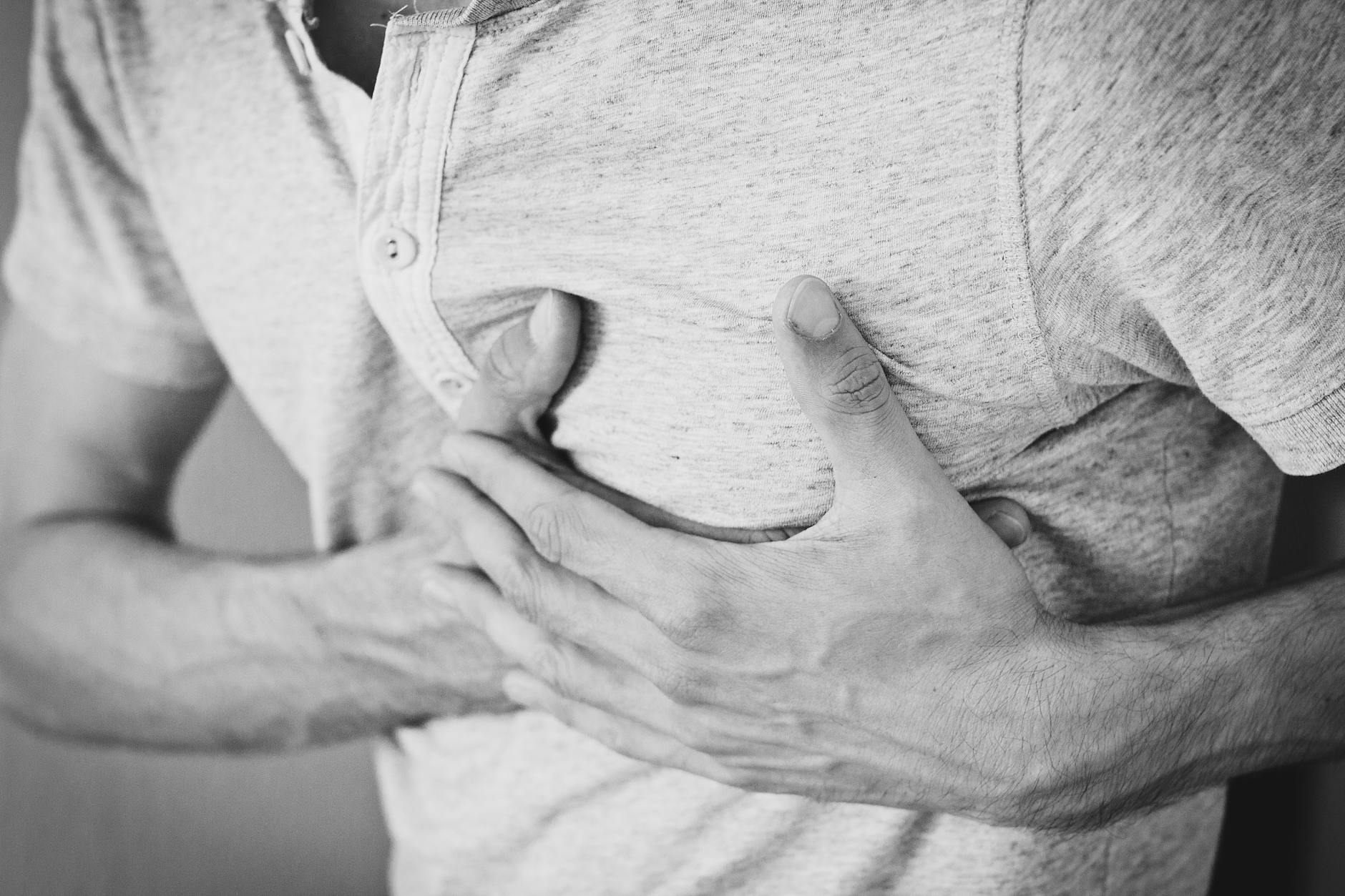
Black and white photo of a man clutching his chest, indicating discomfort or pain.Photo: freestocks.org / Pexels

Recognizing the Subtle Symptoms of a Heart Attack in Women

Empower yourself with crucial knowledge: learn the distinct signs of a heart attack in women to ensure timely intervention.

Learn the Signs Now

Key Takeaways

  • ✓ Women often experience heart attack symptoms differently than men, making diagnosis challenging.
  • ✓ Fatigue, shortness of breath, and nausea are common, often overlooked, symptoms in women.
  • ✓ Delay in seeking care for women's heart attacks is a significant factor in worse outcomes.
  • ✓ Heart disease is the leading cause of death for women in the United States.

How It Works

1
Educate Yourself

Understand that women's heart attack symptoms are frequently atypical. Familiarize yourself with common and less common indicators.

2
Listen to Your Body

Pay attention to new or unusual sensations, even if they seem minor. Persistent fatigue, discomfort, or shortness of breath should not be ignored.

3
Act Quickly

If you suspect a heart attack, even if symptoms are mild, call 911 immediately. Do not drive yourself to the hospital.

4
Advocate for Yourself

Clearly describe all your symptoms to medical professionals. Be prepared to state your concerns about a potential heart attack.

The Unique Landscape of Women's Heart Attack Symptoms

Nurse in scrubs takes a break, resting on a comfy hospital couch after a long shift.Photo: Cedric Fauntleroy / Pexels
For decades, the classic image of a heart attack has been dominated by a man clutching his chest, experiencing crushing chest pain radiating down his arm. While this is certainly a common presentation, it paints an incomplete and, for women, often misleading picture. The reality is that symptoms of a heart attack in women can be far more subtle, insidious, and easily mistaken for other, less serious conditions. This disparity in presentation is a critical factor contributing to delays in diagnosis and treatment for women, leading to poorer outcomes and higher mortality rates. Understanding these unique manifestations is not just important, it's life-saving. Women are more likely to experience a range of symptoms beyond the stereotypical chest pain, and these can include discomfort in the neck, jaw, shoulder, upper back, or abdomen. Fatigue, often described as an overwhelming exhaustion that comes on suddenly and without explanation, is another frequently reported symptom. Shortness of breath, even without exertion, and nausea or vomiting are also common. These symptoms can occur with or without chest pain, and they may not be severe or sudden. They can come and go for days or weeks before a heart attack, or they can strike abruptly. The challenge lies in their non-specific nature; many of these symptoms could be attributed to stress, indigestion, flu, or simply aging. This makes it crucial for women, and those who care for them, to be acutely aware of these distinctions. The medical community has made significant strides in recognizing and educating both the public and healthcare providers about these differences, but the message still needs to reach everyone. Early recognition and prompt medical attention are paramount, as every minute counts when a heart attack is occurring. The heart muscle begins to die when it is deprived of oxygen-rich blood, and irreversible damage can occur rapidly. Therefore, a high degree of suspicion and a proactive approach are essential. It's not about causing unnecessary panic, but about fostering an informed vigilance that can ultimately save lives. For more information on women's specific health concerns, you can explore resources on women's health issues. This deeper understanding empowers women to advocate for themselves and ensures they receive the timely care they deserve.

Beyond Chest Pain: Unpacking Atypical Presentations

Nurse in scrubs takes a break, resting on a comfy hospital couch after a long shift.Photo: Cedric Fauntleroy / Pexels
While some women do experience the classic crushing chest pain associated with a heart attack, many do not, or they experience it differently. Instead of a sharp, localized pain, it might be described as a pressure, fullness, or squeezing sensation, often in the center of the chest. However, this discomfort can also be mild or entirely absent. The 'atypical' symptoms are what truly differentiate the female heart attack experience. Profound fatigue is one of the most common and often dismissed symptoms. This isn't just everyday tiredness; it's an overwhelming, debilitating exhaustion that can strike suddenly, even after a good night's sleep, or persist for days. Women often report feeling unusually tired for weeks before a heart attack. Shortness of breath, even when resting or performing minimal activity, is another significant indicator. This can feel like you can't get enough air, or like you've just run a marathon without moving. Nausea or vomiting, sometimes accompanied by indigestion or heartburn, can also be present. These gastrointestinal symptoms are frequently overlooked, especially if they are mild or intermittent, and can be misattributed to stomach flu or diet. Discomfort in other areas of the upper body, such as the back, neck, jaw, arms (either one or both), or stomach, is also common. This discomfort can be dull, aching, or sharp, and it may come and go. Unlike the classic left arm pain, women might feel it in their right arm, both arms, or their upper back between the shoulder blades. Lightheadedness or dizziness, a sudden cold sweat, and anxiety or a feeling of impending doom are also reported. These symptoms may occur in isolation or in combination, and their intensity can vary. What's crucial is to recognize when these symptoms are new, unusual, or persistent for you. The insidious nature of these symptoms means they can be easily rationalized away, leading to dangerous delays in seeking emergency care. Many women report delaying seeking help because their symptoms didn't fit the 'classic' heart attack profile they were familiar with. This delay is a critical factor in the higher mortality rates for women compared to men after a heart attack. It's not about having one specific symptom, but about recognizing a cluster of new or worsening symptoms that are out of the ordinary for your body. Trusting your instincts and seeking immediate medical attention if you suspect something is wrong is paramount.

Risk Factors and Prevention: Protecting Your Heart Health

Female nutritionist in office holding broccoli, surrounded by fruits, promoting healthy lifestyle.Photo: beyzahzah / Pexels
While recognizing the symptoms of a heart attack in women is crucial for immediate action, understanding and managing the underlying risk factors is key to prevention. Many traditional risk factors for heart disease apply to both men and women, but some can affect women differently or have a greater impact. High blood pressure, high cholesterol, and diabetes are significant risk factors for both genders. However, conditions like diabetes can increase a woman's risk of heart disease more significantly than a man's, and it can also alter the presentation of symptoms, sometimes leading to 'silent' heart attacks with minimal or no noticeable symptoms. Smoking is another major contributor to heart disease and can be particularly detrimental to women's cardiovascular health. Obesity and a sedentary lifestyle also significantly elevate risk. Beyond these, there are risk factors unique to women or that disproportionately affect them. Pregnancy complications, such as preeclampsia or gestational diabetes, can increase a woman's long-term risk of heart disease. Autoimmune diseases, like lupus or rheumatoid arthritis, which are more prevalent in women, are also associated with an increased risk of heart disease. Menopause, with its associated drop in estrogen levels, plays a role, as estrogen is thought to have a protective effect on the heart. Stress and depression, which are more commonly reported by women, can also impact heart health. A holistic approach to prevention involves not only managing traditional risk factors but also addressing these women-specific considerations. Regular physical activity, a balanced diet rich in fruits, vegetables, and whole grains, and maintaining a healthy weight are foundational. Quitting smoking, if applicable, is one of the most impactful steps you can take. Regular check-ups with your doctor are essential to monitor blood pressure, cholesterol, and blood sugar levels, and to discuss any family history of heart disease. Lifestyle modifications and, when necessary, medication, can effectively manage these risk factors. Empowering yourself with knowledge about these risk factors and taking proactive steps can significantly reduce your likelihood of experiencing a heart attack. For broader strategies on maintaining overall health, you might find information on preventative healthcare beneficial. Early intervention and consistent management are critical for long-term cardiovascular well-being.

When to Act: Don't Delay, Call 911

Portrait of a female paramedic in front of an ambulance vehicle.Photo: RDNE Stock project / Pexels
The most critical takeaway when it comes to the symptoms of a heart attack in women is the imperative to act without delay. Time is muscle. The longer blood flow to the heart is obstructed, the more heart muscle is damaged. This damage can be permanent and lead to severe complications, including heart failure, arrhythmias, or even death. Many women, due to the subtle and non-specific nature of their symptoms, tend to downplay what they are feeling or delay seeking help. They might attribute discomfort to indigestion, stress, or muscle strain, hoping the symptoms will simply pass. This hesitation is dangerous. If you experience any new, unusual, or persistent symptoms that you suspect could be a heart attack, even if they are mild or come and go, you must call 911 immediately. Do not attempt to drive yourself to the hospital. Emergency medical services (EMS) personnel are trained to recognize heart attack symptoms, can begin treatment en route, and can alert the hospital to your arrival, saving precious time. Key Steps to Take: * **Call 911 immediately:** This is the single most important action. Do not wait to see if symptoms improve. * **Do not drive yourself:** Let EMS transport you. They have life-saving equipment and training. * **Chew aspirin if advised:** If you are not allergic and have been advised by a medical professional or 911 operator, chew a regular-strength aspirin (325 mg) or four low-dose aspirins (81 mg each). Aspirin helps prevent blood clots. * **Stay calm and rest:** Try to remain as calm as possible and rest until help arrives. Avoid any strenuous activity. * **Be prepared to describe symptoms:** Clearly articulate what you are feeling to the 911 operator and EMS personnel. Mention all symptoms, even if they seem minor. Remember, it's always better to be safe than sorry. If it turns out to be a false alarm, you've lost nothing but a little time. If it is a heart attack, your quick action could save your life or prevent severe heart damage. Educating yourself and your loved ones on these crucial steps can make all the difference in an emergency.

Comparison

Symptom CategoryCommon in Men (Classic)Common in Women (Atypical)
Chest DiscomfortCrushing chest pain, often radiating to left armPressure, squeezing, fullness, or aching; may be mild or absent
Upper Body PainOften left arm, jaw, neckBack, neck, jaw, stomach, either arm (or both)
FatigueLess common as primary symptomProfound, unexplained, debilitating fatigue (often weeks prior)
Shortness of BreathOften with chest painOften without chest pain, even at rest
GastrointestinalInfrequentNausea, vomiting, indigestion, heartburn
Other SymptomsCold sweat, dizzinessLightheadedness, cold sweat, anxiety, feeling of dread

What Our Readers Say

5 ★★★★★

"This article was an eye-opener. I always thought a heart attack meant crushing chest pain. Learning about the fatigue and jaw discomfort in women made me realize my grandmother's past symptoms were likely a heart attack, not just 'stress'."

5 ★★★★★

"As a nurse, I appreciate the detailed breakdown of atypical symptoms. It's critical for both patients and healthcare providers to understand these differences to ensure prompt and accurate diagnosis for women."

5 ★★★★★

"After reading this, I recognized several symptoms in myself that I'd been dismissing as just being tired. I spoke to my doctor, and while it wasn't a heart attack, we found some other heart health concerns early. This information truly made a difference."

4 ★★★★☆

"Very informative, though I wish there was more emphasis on how these symptoms can sometimes be intermittent. That was my biggest confusion point before reading this, thinking it had to be constant."

5 ★★★★★

"This article is a must-read for every woman and her family. The clarity around the unique symptoms of a heart attack in women is incredibly empowering and could genuinely save lives. Thank you for this vital information."

Frequently Asked Questions

What are the most common symptoms of a heart attack in women?
The most common symptoms of a heart attack in women include unusual fatigue, shortness of breath, sleep disturbances, indigestion, nausea, and discomfort in the chest (which may not be severe), neck, jaw, back, or arms. These symptoms can be subtle and may occur for days or weeks before a heart attack.
Can women have a heart attack without chest pain?
Yes, absolutely. Many women experience heart attacks without the classic crushing chest pain. Their primary symptoms might be extreme fatigue, shortness of breath, nausea, or discomfort in other areas like the back or jaw. This is why it's crucial to be aware of the 'atypical' presentations.
What should I do if I suspect I'm having a heart attack?
If you suspect you are having a heart attack, even if symptoms are mild, you should call 911 immediately. Do not drive yourself to the hospital. Emergency medical services can provide critical care on the way and alert the hospital, saving precious time for treatment.
Is heart disease more deadly for women than men?
Heart disease is the leading cause of death for women in the United States, surpassing all forms of cancer combined. Women often experience delays in diagnosis and treatment due to atypical symptoms and sometimes receive less aggressive treatment than men, leading to worse outcomes.
How do women's heart attack symptoms compare to men's?
While both men and women can experience chest pain, women are more likely to have subtle symptoms like fatigue, shortness of breath, nausea, and discomfort in the jaw, neck, back, or stomach. Men are more often associated with classic crushing chest pain radiating down the left arm.
Who should be most concerned about symptoms of a heart attack in women?
All women, especially those with existing risk factors like high blood pressure, high cholesterol, diabetes, a family history of heart disease, or those who smoke, should be highly aware of these symptoms. Younger women, particularly those with conditions like preeclampsia during pregnancy, also face elevated risks.
Are there any specific risks for women regarding heart attacks?
Yes, women face specific risks such as pregnancy complications (preeclampsia, gestational diabetes), autoimmune diseases (lupus, rheumatoid arthritis), and the hormonal changes during menopause, all of which can increase their risk of heart disease and heart attack.
What is the future outlook for diagnosing heart attacks in women?
The future outlook is promising, with increasing awareness campaigns and research focusing on sex-specific differences in heart disease. Advances in diagnostic tools and continued education for both the public and medical professionals aim to improve early detection and reduce disparities in outcomes for women.

Empower yourself and your loved ones by understanding the unique symptoms of a heart attack in women. Early recognition and swift action are your best defenses against heart disease. Don't hesitate to seek immediate medical attention if you suspect a heart attack; your life depends on it.

Topics: symptoms of a heart attack in womenfemale heart attack signswomen's heart healthcardiac arrest womenheart disease in women