
Recognizing Symptoms of a Heart Attack in Women
Empower yourself with vital knowledge about female heart attack symptoms to act fast and potentially save a life.
Learn More NowKey Takeaways
- ✓ Women often experience different heart attack symptoms than men.
- ✓ Fatigue, shortness of breath, and nausea are common but often overlooked symptoms in women.
- ✓ Delay in seeking care is more common in women due to atypical symptoms.
- ✓ Heart disease is the leading cause of death for women in the United States.
How It Works
Educate yourself on the subtle, often non-chest pain related symptoms that are more prevalent in women. This knowledge is your first line of defense.
Pay close attention to unusual or persistent discomfort, especially in the chest, back, neck, jaw, or arms. Don't dismiss new or worsening symptoms as stress or fatigue.
If you experience any concerning symptoms, even if they are mild, do not hesitate to call 911 immediately. Every minute counts during a heart attack.
When seeking medical attention, clearly articulate your symptoms and concerns. Be persistent in ensuring your symptoms are thoroughly investigated.
Understanding the Unique Presentation of Heart Attacks in Women
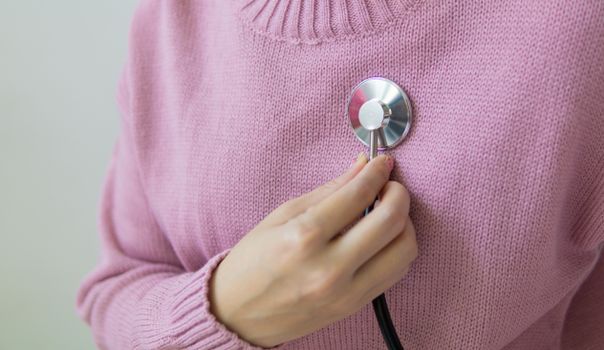 Photo: Puwadon Sang-ngern / Pexels
Beyond Chest Pain: Atypical Symptoms Women Experience
 Photo: https://kaboompics.com/ / Pexels
Risk Factors and When to Seek Emergency Care
 Photo: Pavel Danilyuk / Pexels
Taking Action: Prevention, Education, and Advocacy for Women's Heart Health
 Photo: Puwadon Sang-ngern / Pexels
Comparison
| Symptom Type | Common in Men | Common in Women (Atypical) | Severity |
|---|---|---|---|
| Chest Pain | Crushing, central, radiates to left arm | Pressure, tightness, burning, general discomfort, may not be primary | Can be severe in both |
| Fatigue | Less common as primary symptom | Unusual, overwhelming, unexplained, may precede attack by weeks | Often debilitating in women |
| Shortness of Breath | Often with chest pain | May occur without chest pain, at rest or with mild exertion | Can be significant in women |
| Nausea/Indigestion | Possible, but less frequent | Very common, mistaken for stomach issues/flu | Often dismissed by women |
| Pain Location | Left arm, chest | Jaw, neck, back (upper), both arms, abdomen | Variable, can be mild to severe |
| Sweating | Often cold sweat | Cold sweat, unexplained, without exertion | Can be a key indicator |
What Readers Say
"This article was a wake-up call. I'd been experiencing extreme fatigue and jaw pain for weeks and brushed it off. Reading about the symptoms of a heart attack in women made me realize I needed to see a doctor immediately. It truly helped me understand what to look for."
Sarah J. · Austin, TX"My mother had a heart attack with no chest pain, only back discomfort and nausea. This explains so much. It's vital that more women know these different signs, especially the subtle symptoms of a heart attack in women."
Maria P. · Miami, FL"After reading this, I recognized my lingering indigestion and arm tingling as potential heart attack signs, not just stress. I went to the ER and they confirmed a minor cardiac event. This information literally guided me to seek help and prevented worse damage."
Jessica L. · Denver, CO"Very informative, though it's scary to think how easily these symptoms can be missed. I appreciate the emphasis on advocating for yourself. I'm now more aware of the unique symptoms of a heart attack in women."
Emily R. · Chicago, IL"As a partner, this article helped me understand what my wife might experience. It's not just about her, but about me being able to recognize the signs and act quickly for her. The section on symptoms of a heart attack in women was incredibly valuable for our family."
David M. · Seattle, WAFrequently Asked Questions
What are the most common symptoms of a heart attack in women?
While chest pain can occur, women often experience unusual fatigue, shortness of breath, nausea/indigestion, and pain in the jaw, neck, back, or arms. These symptoms can be subtle, come and go, and may not be as intense as the classic 'crushing chest pain' often associated with heart attacks.
If my symptoms are mild, should I still call 911?
Absolutely. Even mild or atypical symptoms can indicate a serious cardiac event. Delaying medical attention can lead to greater heart damage. It is always better to call 911 immediately and let medical professionals assess your situation, as time is critical during a heart attack.
How can I tell if my indigestion is a heart attack or just stomach issues?
It can be difficult to differentiate. If indigestion is accompanied by other symptoms like shortness of breath, unusual fatigue, sweating, or pain in the jaw/back/arm, or if it feels different than typical indigestion, it's safer to assume it could be a heart attack and seek emergency medical help immediately.
Is heart disease really the leading cause of death for women?
Yes, unfortunately, heart disease is the leading cause of death for women in the United States, surpassing all forms of cancer combined. This highlights the critical importance of understanding unique symptoms and risk factors for women.
Do women's heart attack symptoms change after menopause?
While symptoms themselves don't necessarily change, a woman's risk of heart disease increases significantly after menopause due to declining estrogen levels. Therefore, being even more vigilant about any new or unusual symptoms, including the atypical ones, becomes crucial in this life stage.
Who should be most concerned about symptoms of a heart attack in women?
All women should be aware, but those with risk factors like high blood pressure, high cholesterol, diabetes, a family history of heart disease, obesity, or a history of pregnancy complications (like preeclampsia) should be particularly vigilant and proactive about understanding these symptoms.
Are there any specific risks associated with delaying treatment for heart attacks in women?
Yes, delaying treatment significantly increases the risk of greater heart muscle damage, more severe complications, and poorer long-term outcomes. Women are unfortunately more prone to delays due to the atypical nature of their symptoms and sometimes misdiagnosis.
What is the future outlook for diagnosing heart attacks in women?
The future is promising with ongoing research focused on gender-specific diagnostics, improved biomarker testing tailored for women, and increased awareness campaigns targeting both the public and medical professionals. This should lead to earlier detection and better outcomes.
Empower yourself with the knowledge of symptoms of a heart attack in women. Your awareness is a powerful tool for early detection and can make a life-saving difference. Don't hesitate to seek immediate medical attention if you or someone you know experiences these critical warning signs.