
Recognizing the Subtle Symptoms of Heart Attack in Women
Understanding the unique signs of a heart attack in women is crucial for timely intervention and improved outcomes.
Learn Life-Saving Signs NowKey Takeaways
- ✓ Women often experience different heart attack symptoms than men.
- ✓ Chest pain may not be the most prominent symptom for women.
- ✓ Fatigue, shortness of breath, and nausea are common but often overlooked signs.
- ✓ Delay in seeking care is more common in women due to atypical symptoms.
How It Works
Educate yourself on how heart attack symptoms in women can differ significantly from the classic 'Hollywood heart attack' often depicted. This awareness is your first line of defense.
Pay close attention to persistent or unusual changes in your body, especially if they are new or unexplained. Women's symptoms can be subtle and easily dismissed.
If you suspect you are experiencing symptoms of a heart attack, even if they seem mild, call 911 immediately. Time is muscle when it comes to cardiac events.
Be prepared to clearly communicate your symptoms to medical professionals. Sometimes, women's atypical symptoms may be misdiagnosed, so clear communication is vital.
Understanding Unique Female Heart Attack Symptoms
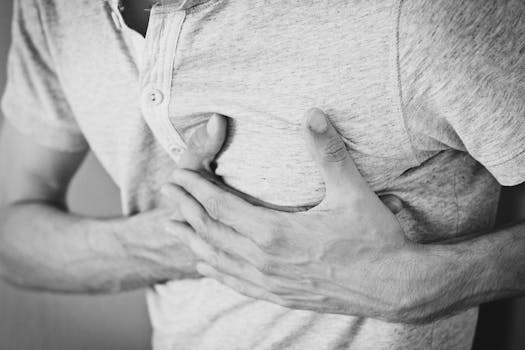 Photo: freestocks.org / Pexels
Beyond Chest Pain: Atypical Indicators of a Cardiac Event
 Photo: www.kaboompics.com / Pexels
Risk Factors and Prevention Strategies for Women's Heart Health
 Photo: Andrea Piacquadio / Pexels
When to Seek Emergency Care: Don't Delay, Act Immediately
 Photo: www.kaboompics.com / Pexels
Comparison
| Symptom Type | Common in Women | Common in Men | Severity |
|---|---|---|---|
| Chest Pain | Often mild pressure, tightness, or burning; may be absent | Crushing, severe pain; often central chest | Variable |
| Fatigue | Profound, unexplained exhaustion; can precede days/weeks | Less common as primary symptom | High |
| Shortness of Breath | Frequent, with or without chest pain | Often accompanies severe chest pain | High |
| Nausea/Vomiting | Common; mistaken for indigestion/flu | Less frequent as primary symptom | Moderate |
| Back/Jaw/Neck Pain | Common; can be dull ache or pressure | Less common as primary symptom | Moderate |
| Lightheadedness/Dizziness | Frequent, especially with other symptoms | Less frequent as primary symptom | High |
What Readers Say
"I thought I just had bad indigestion, but after reading about the symptoms of heart attack in women, I realized my jaw pain and extreme fatigue weren't normal. This information pushed me to get checked, and it saved my life."
Sarah J. · Austin, TX"My doctor initially dismissed my shortness of breath as anxiety. This article helped me advocate for myself, explaining that women's heart attack symptoms are different. I got a second opinion and received the correct diagnosis."
Maria K. · Miami, FL"I experienced sudden, overwhelming fatigue and lightheadedness for days. I almost ignored it until I read this guide on symptoms of heart attack in women. It led me to the ER, where they confirmed a silent heart attack."
Jessica L. · Denver, CO"The information here is incredibly important. While I didn't have all the symptoms, the emphasis on atypical signs made me more aware. It's a wake-up call for women to listen to their bodies and not dismiss subtle signals."
Emily R. · Seattle, WA"As a healthcare professional, I found this article to be an excellent resource for both patients and clinicians. The detailed explanation of symptoms of heart attack in women is crucial for improving recognition and outcomes."
Linda P. · Boston, MAFrequently Asked Questions
What are the most common symptoms of heart attack in women?
The most common symptoms of heart attack in women include unusual fatigue, shortness of breath, nausea/vomiting, back/jaw/neck pain, and lightheadedness. While some women experience chest pain, it may be less severe or not the primary symptom compared to men, often presenting as pressure or tightness rather than crushing pain.
Why do women experience different heart attack symptoms than men?
Differences in heart attack symptoms between women and men are often attributed to variations in heart disease progression, such as blockages in smaller arteries (microvascular disease) more common in women, hormonal influences, and potentially different pain perception. These factors can lead to more subtle and diffuse symptoms.
If I only have one or two of these symptoms, should I still be concerned?
Yes, even if you only experience one or two symptoms, especially if they are new, severe, or persistent, it's crucial to seek medical attention. Women's heart attack symptoms can be subtle and may not present as a classic cluster. Trusting your instincts and getting checked is always the safest approach.
Does anxiety or stress mimic heart attack symptoms in women?
Anxiety and stress can indeed mimic some heart attack symptoms, such as shortness of breath, chest tightness, and dizziness. However, it's dangerous to self-diagnose. If you experience new or concerning symptoms, especially if you have risk factors for heart disease, it's always best to get immediate medical evaluation to rule out a cardiac event.
How quickly should I seek help if I suspect a heart attack?
You should seek emergency medical help immediately by calling 911 if you suspect a heart attack. Do not delay. Prompt treatment is critical to minimize heart muscle damage and improve outcomes. Do not drive yourself to the hospital.
Who is most at risk for atypical heart attack symptoms?
Women, especially those with diabetes, a history of pregnancy complications like preeclampsia, or those experiencing significant stress or depression, are often at higher risk for experiencing atypical heart attack symptoms. Older women may also present with more subtle signs.
Are 'silent' heart attacks more common in women?
Yes, 'silent' heart attacks, which have minimal or no symptoms, or symptoms that are mistaken for other conditions, are believed to be more common in women. This further emphasizes the need for awareness of subtle signs and regular health check-ups, especially for those with risk factors.
What lifestyle changes can women make to reduce heart attack risk?
Women can reduce heart attack risk through a heart-healthy diet, regular physical activity, maintaining a healthy weight, quitting smoking, managing stress, and controlling conditions like high blood pressure, high cholesterol, and diabetes. Regular check-ups and open communication with healthcare providers are also vital.
Empower yourself with knowledge about the symptoms of heart attack in women. Early recognition and immediate action can make all the difference in saving lives and ensuring better health outcomes. Don't wait, learn the signs and prioritize your heart health today.