What Causes High Blood Pressure? Your Guide to Understanding
August 24, 2026 17 min read 3,397 words
Unlock the mysteries behind elevated blood pressure and discover actionable steps to protect your cardiovascular health.
Learn More Now
The Silent Threat: Decoding Primary Hypertension Causes
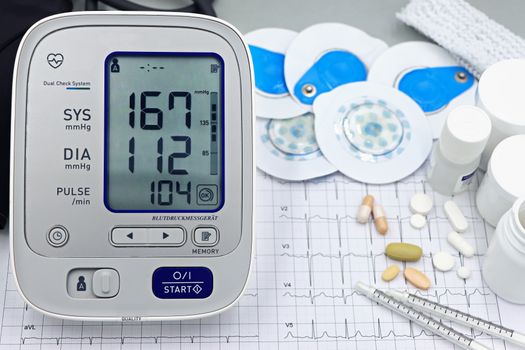 Photo: Marta Branco / Pexels
High blood pressure, medically known as hypertension, is often dubbed the 'silent killer' because it typically presents with no warning signs or symptoms, even when it reaches dangerously high levels. For the vast majority of people – about 90-95% of cases – the cause of high blood pressure isn't identifiable. This type is known as primary (or essential) hypertension. While there isn't a single, clear cause, it's understood to be the result of a complex interplay of genetic predispositions, environmental factors, and lifestyle choices that accumulate over time. Think of it as a mosaic, where each piece contributes to the overall picture of elevated blood pressure. Understanding these contributing factors is crucial, even if a direct cause remains elusive, as it empowers individuals to take proactive steps towards prevention and management.
One of the most significant, yet uncontrollable, factors is genetics. If your parents or close relatives had high blood pressure, your risk is significantly higher. This doesn't mean it's inevitable, but it does mean you carry a genetic blueprint that makes you more susceptible. Researchers are continually identifying specific genes linked to hypertension, often related to how the body regulates salt, fluid balance, and blood vessel function. However, genes alone don't seal your fate; they load the gun, but lifestyle pulls the trigger.
Age is another non-modifiable risk factor. As we get older, our arteries naturally tend to stiffen and narrow, making them less elastic and more resistant to blood flow. This increased resistance forces the heart to work harder, leading to higher blood pressure readings. While this is a natural aging process, its severity can be greatly influenced by other lifestyle factors. For instance, someone with a healthy lifestyle might experience a more gradual and less severe increase in blood pressure with age compared to someone with unhealthy habits.
Ethnicity also plays a role, with certain groups, such as African Americans, having a higher incidence and severity of hypertension, often developing it earlier in life and experiencing more severe complications like stroke and kidney disease. The reasons for these disparities are complex, involving a combination of genetic factors, socioeconomic determinants, and access to healthcare.
Beyond these inherent factors, a host of lifestyle elements significantly contribute to primary hypertension. A diet high in sodium is a prime suspect. Sodium makes your body retain fluid, which increases blood volume and, consequently, blood pressure. Conversely, a diet low in potassium can also be problematic, as potassium helps balance sodium levels in your cells. A sedentary lifestyle further exacerbates the risk; lack of physical activity can lead to weight gain and a less efficient cardiovascular system. Obesity itself is a major contributor, as larger body mass requires more blood to supply oxygen and nutrients, increasing the workload on the heart and the pressure in the arteries. Chronic stress, while its direct link to sustained hypertension is still debated, can cause temporary spikes in blood pressure and contribute to unhealthy coping mechanisms like overeating or smoking, which are direct risk factors. Excessive alcohol consumption is another well-established cause, as it can damage blood vessels and interfere with blood pressure medications. Finally, smoking and other tobacco use directly damage the lining of your artery walls, leading to hardening and narrowing, and the nicotine temporarily raises blood pressure and heart rate. Understanding these multifaceted contributions is the first step in unraveling
what causes high blood pressure and developing effective strategies for prevention and control.
Unmasking Secondary Hypertension: Underlying Medical Conditions
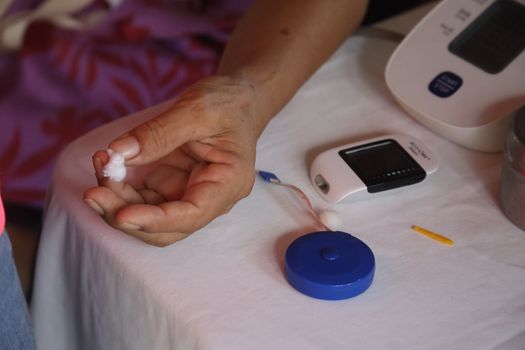 Photo: Bruno Tapia / Pexels
While primary hypertension accounts for the vast majority of cases, it's crucial to be aware of secondary hypertension, which is high blood pressure caused by an identifiable underlying medical condition. Unlike primary hypertension, which develops gradually over years, secondary hypertension often appears suddenly and can be more severe than primary hypertension. Identifying and treating the root cause of secondary hypertension can often lead to a significant improvement or even a complete resolution of the high blood pressure. This makes proper diagnosis particularly important, as addressing the underlying issue can prevent the need for lifelong blood pressure medication or reduce its dosage.
One of the most common causes of secondary hypertension is kidney disease. Our kidneys play a vital role in regulating blood pressure by controlling fluid and salt balance, as well as producing hormones that constrict or relax blood vessels. When the kidneys are damaged or diseased, they may fail to remove enough sodium and water from the body, leading to increased blood volume and higher blood pressure. Conditions like chronic kidney disease, kidney artery stenosis (narrowing of the arteries to the kidneys), and even polycystic kidney disease can all contribute. The relationship is often cyclical: high blood pressure can damage the kidneys, and damaged kidneys can cause high blood pressure, creating a vicious cycle that requires careful management.
Another significant category of causes involves adrenal gland disorders. The adrenal glands, located above the kidneys, produce hormones that regulate blood pressure. Conditions like primary aldosteronism (Conn's syndrome), where the adrenal glands produce too much aldosterone, lead to excessive sodium and water retention and potassium loss, resulting in high blood pressure. Cushing's syndrome, characterized by excessive cortisol production, can also cause hypertension. Similarly, pheochromocytoma, a rare tumor of the adrenal gland, releases bursts of hormones that cause sudden and severe spikes in blood pressure.
Thyroid problems, both an overactive thyroid (hyperthyroidism) and an underactive thyroid (hypothyroidism), can impact blood pressure. Hyperthyroidism increases metabolic rate and heart rate, often leading to elevated systolic blood pressure. Hypothyroidism can cause arteries to become less elastic, and may also be linked to higher cholesterol, contributing to hypertension.
Certain congenital heart defects can also lead to secondary hypertension. For example, coarctation of the aorta, a narrowing of the large artery that carries blood from the heart, forces the heart to pump harder to get blood through the constricted area, resulting in high blood pressure in the upper body.
Sleep apnea, a condition where breathing repeatedly stops and starts during sleep, is a well-established cause of secondary hypertension. Each time breathing is interrupted, oxygen levels in the blood drop, and the body's stress response is triggered, raising blood pressure. Over time, these repeated episodes can lead to chronic high blood pressure.
Furthermore, some medications can cause or worsen high blood pressure as a side effect. These include certain decongestants, birth control pills, nonsteroidal anti-inflammatory drugs (NSAIDs) like ibuprofen, some antidepressants, and corticosteroids. Illicit drugs, such as cocaine and amphetamines, are also powerful vasoconstrictors that can cause dangerous spikes in blood pressure. It's essential for individuals to discuss all medications and supplements with their doctor to understand potential impacts on blood pressure. Recognizing these diverse underlying conditions is key to effectively diagnosing and treating secondary hypertension, often leading to more targeted and successful management strategies.
Lifestyle's Impact: Modifiable Risk Factors and Prevention
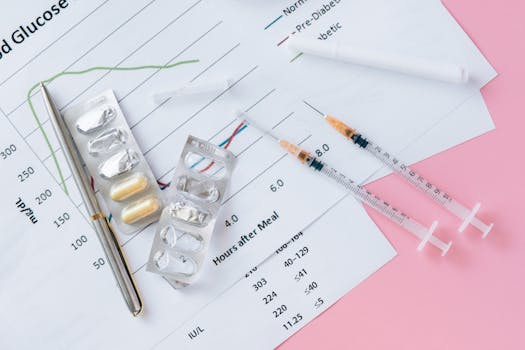 Photo: Nataliya Vaitkevich / Pexels
While some risk factors for high blood pressure are beyond our control, such as age and genetics, a significant number of contributing elements fall under the umbrella of lifestyle choices. These modifiable risk factors present powerful opportunities for prevention, control, and even reversal of hypertension. Focusing on these areas allows individuals to take an active role in managing their cardiovascular health. Understanding the profound impact of daily habits is not just about avoiding problems, but about actively building a foundation for long-term well-being.
Diet is arguably one of the most critical modifiable factors. A diet rich in processed foods, saturated and trans fats, and excessive sodium is a direct pathway to elevated blood pressure. Sodium, in particular, plays a central role. Too much sodium makes your body retain fluid, increasing blood volume and, consequently, the pressure against your artery walls. The average American consumes far more sodium than recommended, largely from packaged goods, fast food, and restaurant meals. Conversely, a diet lacking in potassium, found in fruits and vegetables, can also contribute to hypertension, as potassium helps to counteract the effects of sodium. The DASH (Dietary Approaches to Stop Hypertension) diet emphasizes whole grains, lean proteins, fruits, vegetables, and low-fat dairy, proving to be highly effective in lowering blood pressure.
Physical inactivity is another major culprit. A sedentary lifestyle contributes to obesity, higher cholesterol levels, and a less efficient cardiovascular system. Regular physical activity, even moderate levels like brisk walking, strengthens the heart, makes it more efficient at pumping blood, and helps to maintain a healthy weight. Exercise also helps to relax blood vessels, reducing overall resistance and lowering blood pressure. Aiming for at least 150 minutes of moderate-intensity aerobic activity or 75 minutes of vigorous activity per week, coupled with strength training a couple of times a week, can make a substantial difference.
Obesity and being overweight are strongly linked to high blood pressure. Carrying excess weight, particularly around the waist, increases the demand on your heart to pump blood throughout your body. This extra effort leads to increased pressure on artery walls. Losing even a small amount of weight can have a significant positive impact on blood pressure readings. For every 20 pounds lost, blood pressure can drop by 5 to 20 mmHg, a remarkable improvement.
Excessive alcohol consumption also contributes significantly to hypertension. Drinking too much alcohol can damage the heart muscle, raise blood pressure, and interfere with the effectiveness of blood pressure medications. The American Heart Association recommends limiting alcohol to no more than two drinks per day for men and one drink per day for women.
Smoking and exposure to secondhand smoke are incredibly detrimental to cardiovascular health. Nicotine temporarily raises blood pressure and heart rate, while other chemicals in tobacco smoke damage the lining of artery walls, leading to hardening and narrowing. This makes arteries less elastic and more prone to plaque buildup, further increasing blood pressure and the risk of heart attack and stroke. Quitting smoking is one of the single most impactful changes you can make for your blood pressure and overall health.
Chronic stress, while not a direct cause of long-term hypertension in the same way diet or exercise are, can certainly contribute. Stress causes temporary spikes in blood pressure, and if stress is constant, these repeated spikes can damage blood vessels. Furthermore, stress often leads to unhealthy coping mechanisms, such as overeating, smoking, or excessive alcohol consumption, all of which directly contribute to high blood pressure. Learning effective stress management techniques, such as mindfulness, meditation, yoga, or spending time in nature, can be beneficial.
Finally, insufficient sleep can also play a role. People who don't get enough sleep, or who have disturbed sleep, are at a higher risk of developing high blood pressure. During sleep, your blood pressure naturally drops. If you're not getting enough restorative sleep, your blood pressure stays elevated for longer periods. Aim for 7-9 hours of quality sleep per night. By addressing these modifiable lifestyle factors, individuals can significantly reduce their risk of developing high blood pressure or effectively manage an existing diagnosis, leading to a healthier and longer life. It's about making conscious choices every day that support your heart and blood vessels, ultimately answering the question of
what causes high blood pressure and how to fight back.
Practical Steps: Preventing and Managing High Blood Pressure
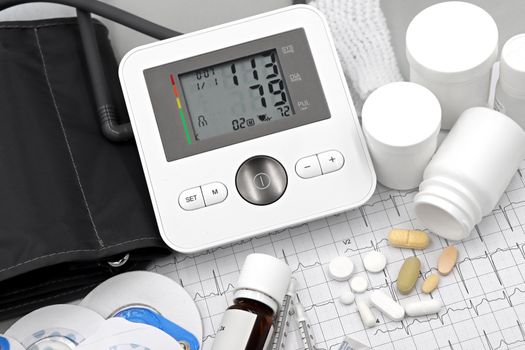 Photo: Marta Branco / Pexels
Understanding the causes of high blood pressure is the essential first step, but the real power lies in translating that knowledge into action. Whether you're aiming to prevent hypertension or manage an existing diagnosis, there are numerous practical steps you can take. These strategies are often interconnected, creating a holistic approach to cardiovascular health. Implementing even a few of these changes can yield significant benefits, reducing your risk of heart disease, stroke, and kidney problems.
Here are key practical steps:
* **Adopt a Heart-Healthy Diet:** Focus on the DASH (Dietary Approaches to Stop Hypertension) eating plan. This means emphasizing fruits, vegetables, whole grains, lean protein, and low-fat dairy. Drastically reduce your intake of processed foods, sugary drinks, red meat, saturated fats, and trans fats. Pay close attention to sodium intake; read food labels and aim for less than 2,300 milligrams per day, and ideally closer to 1,500 mg, especially if you have existing hypertension. Increase potassium-rich foods like bananas, spinach, and sweet potatoes to help balance sodium levels.
* **Engage in Regular Physical Activity:** Aim for at least 150 minutes of moderate-intensity aerobic activity (like brisk walking, swimming, or cycling) or 75 minutes of vigorous activity (like running) per week. Add muscle-strengthening activities at least two days a week. Consistency is more important than intensity initially. Even short bursts of activity throughout the day can add up.
* **Maintain a Healthy Weight:** If you are overweight or obese, losing even 5-10% of your body weight can significantly lower blood pressure. Combine dietary changes with increased physical activity for sustainable weight loss. Consult with a healthcare professional or a registered dietitian for personalized guidance.
* **Limit Alcohol Consumption:** If you drink alcohol, do so in moderation. This means up to one drink per day for women and up to two drinks per day for men. Excessive alcohol intake can raise blood pressure and interfere with the effectiveness of medications.
* **Quit Smoking:** If you smoke, quitting is one of the most impactful things you can do for your blood pressure and overall health. Nicotine and other chemicals in tobacco damage blood vessels and temporarily raise blood pressure. Seek support from your doctor, nicotine replacement therapies, or cessation programs.
* **Manage Stress Effectively:** Chronic stress can contribute to temporary blood pressure spikes and lead to unhealthy coping mechanisms. Incorporate stress-reducing activities into your daily routine, such as meditation, yoga, deep breathing exercises, spending time in nature, or engaging in hobbies you enjoy. Prioritize adequate sleep.
* **Monitor Your Blood Pressure Regularly:** If you have a family history of hypertension or other risk factors, consider investing in a home blood pressure monitor. Regular monitoring helps you and your doctor track your progress and make informed decisions about your treatment plan. Keep a log of your readings.
* **Adhere to Medication (if prescribed):** If your doctor prescribes blood pressure medication, take it exactly as directed. Do not stop taking medication without consulting your doctor, even if your blood pressure readings improve. Medications are often crucial for keeping blood pressure within a healthy range.
* **Regular Medical Check-ups:** Schedule regular visits with your healthcare provider. They can assess your risk factors, monitor your blood pressure, and recommend appropriate screenings or interventions. Discuss any concerns or symptoms you may have.
By proactively adopting these lifestyle changes and working closely with your healthcare team, you can significantly reduce your risk of developing high blood pressure, or effectively manage it if you already have it, leading to a healthier, more vibrant life. These steps are your shield against the silent threat of hypertension.