What is Covered by Medicare Part B? Your Essential Guide
July 22, 2026 17 min read 3,395 words
Unlock the comprehensive medical coverage Medicare Part B offers, from doctor visits to vital preventive care.
Explore Your Coverage
Understanding the Core: What is Covered by Medicare Part B?
 Photo: Gustavo Fring / Pexels
Medicare Part B, often referred to as medical insurance, is a critical component of Original Medicare. It’s designed to help cover medically necessary services and supplies that diagnose or treat your health conditions, as well as preventive services to keep you healthy. Unlike Part A, which primarily covers hospital stays, Part B focuses on outpatient care. This distinction is crucial for beneficiaries to understand, as it dictates where and how your medical expenses are covered.
At its heart, Part B is about covering the services you receive outside of an inpatient hospital setting. This includes a vast array of services, from your routine doctor's appointments to specialized care. When you visit your primary care physician for a check-up, or see a specialist for a chronic condition, it’s Part B that steps in to help with those costs. This also extends to many outpatient procedures, diagnostic tests like X-rays and MRI scans, and even some durable medical equipment (DME). The goal is to ensure you have access to the medical care you need to manage your health effectively, without facing prohibitively high costs.
One of the most significant aspects of Part B coverage is its emphasis on medically necessary services. This means that for a service or supply to be covered, your doctor must certify that it is required to diagnose or treat your medical condition. This isn't an arbitrary decision; it's based on accepted standards of medical practice. For example, if you break a bone, the X-ray to diagnose it and the subsequent casting are considered medically necessary. However, purely cosmetic procedures, unless deemed medically necessary by a doctor (e.g., reconstructive surgery after an accident), typically would not be covered. This principle guides the entire scope of Part B, ensuring that resources are directed towards genuine healthcare needs. Understanding what constitutes
medically necessary care is key to navigating your benefits.
Beyond just treating existing conditions, Part B places a strong emphasis on preventive care. This proactive approach aims to catch potential health problems early, often before they become serious. From annual wellness visits to various screenings for cancer, diabetes, and heart disease, Part B covers a wide range of services designed to promote your overall health. Many of these preventive services are covered at 100%, meaning you pay nothing out-of-pocket, as long as your doctor accepts assignment. This is a huge benefit, encouraging beneficiaries to stay on top of their health and potentially avoid more serious and costly illnesses down the line. It's a testament to Medicare's commitment to not just treating illness, but also preventing it.
In essence, Medicare Part B serves as your primary medical insurance for most non-hospital-stay-related healthcare needs. It’s the coverage that allows you to maintain a relationship with your doctors, get necessary tests, and take proactive steps to safeguard your health. While there are premiums, deductibles, and coinsurance involved, the robust coverage it provides is invaluable for millions of Americans. Understanding its breadth and limitations is the first step towards maximizing your Medicare benefits and ensuring you receive the care you deserve.
A Deeper Dive into Specific Part B Services and Supplies
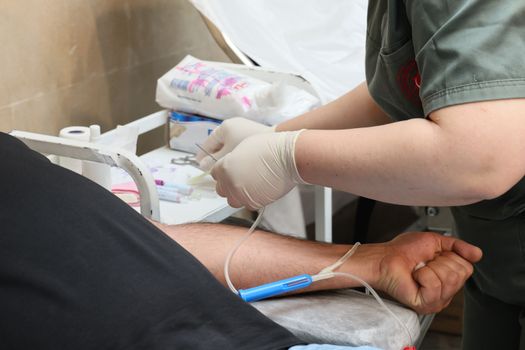 Photo: Tahir Xəlfəquliyev / Pexels
Medicare Part B's coverage extends to a broad spectrum of medical services and supplies, making it a cornerstone of healthcare for many seniors and individuals with disabilities. Let's break down some of the key categories to provide a clearer picture of what you can expect to be covered.
**Doctor's Services:** This is perhaps the most fundamental aspect of Part B. It covers visits to your primary care physician and specialists, whether in their office, a clinic, or even in some cases, your home. This includes everything from routine follow-ups for chronic conditions like diabetes or high blood pressure, to consultations for new symptoms or concerns. It also covers surgical services performed by a doctor, whether in an outpatient setting or as part of a hospital stay (though the hospital stay itself would fall under Part A). The ability to freely choose your doctors and seek specialized care is a significant advantage of Part B.
**Outpatient Care:** This category is expansive and encompasses a wide range of services provided in outpatient settings. This includes outpatient hospital services, such as emergency room visits that don't result in an inpatient admission, observation services, and various diagnostic tests like X-rays, CT scans, and MRI scans performed at a hospital's outpatient department. It also covers services received at freestanding clinics, such as physical therapy, occupational therapy, and speech-language pathology services, when prescribed by a doctor. Mental health services, including individual and group therapy, family counseling (if the primary purpose is to treat your condition), and psychiatric evaluations, are also covered under outpatient care, helping to address the holistic needs of beneficiaries.
**Preventive Services:** As mentioned, Part B places a significant emphasis on prevention. This includes your annual wellness visit, which is designed to develop or update a personalized prevention plan, and screenings for various conditions. For example, it covers screenings for cardiovascular disease, diabetes, certain cancers (like colorectal and cervical cancer), glaucoma, and bone mass measurements. Flu shots, pneumonia shots, and Hepatitis B shots are also covered, often with no out-of-pocket cost. This proactive approach is vital for early detection and intervention, which can lead to better health outcomes and lower long-term healthcare costs. It's important to take advantage of these free preventive services.
**Durable Medical Equipment (DME):** When you need equipment to help with a medical condition, Part B often covers it. This includes items like wheelchairs, walkers, hospital beds, oxygen equipment, and nebulizers, provided they are prescribed by a doctor for use in your home and are considered medically necessary. Medicare typically pays 80% of the Medicare-approved amount for DME after you've met your deductible, with you responsible for the remaining 20% coinsurance. It's crucial to obtain DME from a Medicare-approved supplier to ensure coverage.
**Laboratory Tests and X-rays:** These diagnostic tools are essential for identifying and monitoring health conditions. Part B covers medically necessary clinical diagnostic laboratory tests, such as blood tests, urine tests, and pathology services. It also covers diagnostic non-laboratory tests like X-rays, MRIs, and CT scans, when ordered by a physician to diagnose or rule out a medical condition. These services are vital for accurate diagnoses and effective treatment plans.
**Ambulance Services:** In emergencies where your health is in immediate danger and transportation by other means could endanger your health, Part B covers medically necessary ambulance services. This can include both ground and air ambulance transportation to the nearest appropriate medical facility. However, it's important to note that non-emergency ambulance services are only covered under very specific circumstances, usually requiring a doctor's certification that other transportation methods are medically unsafe.
**Partial Hospitalization Programs:** For individuals needing intensive outpatient mental health care, Part B covers partial hospitalization programs. These programs offer a structured environment for mental health treatment for several hours a day, several days a week, as an alternative to inpatient hospitalization. They are designed for people who need a higher level of care than typical outpatient therapy but do not require 24-hour supervision.
This comprehensive list illustrates the wide scope of services and supplies that Part B aims to cover, providing essential support for beneficiaries' health needs. Understanding these categories helps individuals plan their healthcare and utilize their benefits effectively.
Costs, Enrollment, and Important Considerations for Part B Coverage
 Photo: Elements Interactive / Pexels
While understanding what is covered by Medicare Part B is crucial, it's equally important to grasp the associated costs and enrollment procedures. Medicare isn't entirely free, and Part B has its own set of financial responsibilities and deadlines that beneficiaries need to be aware of to avoid penalties and ensure continuous coverage.
**Monthly Premium:** Most people pay a monthly premium for Medicare Part B. The standard premium amount can change each year, and it’s usually deducted directly from your Social Security, Railroad Retirement Board, or Office of Personnel Management benefits. If you don't receive these benefits, you'll get a bill. It's important to note that some beneficiaries pay a higher premium based on their income. This is known as the Income-Related Monthly Adjustment Amount (IRMAA). If your modified adjusted gross income from two years prior exceeds certain thresholds, you'll pay a higher Part B premium, as well as a higher Part D premium. This means that a high income in 2022, for example, could affect your 2024 Part B premium. Keeping track of these potential surcharges is vital for financial planning related to your healthcare.
**Annual Deductible:** Before Medicare Part B starts paying its share for most services, you must meet an annual deductible. This deductible amount also changes each year. Once you've paid this amount out-of-pocket, Medicare begins to cover its portion of approved services. It's important to remember that some preventive services are exempt from the deductible, meaning Medicare covers them from day one without you having to pay anything towards the deductible first. This further incentivizes beneficiaries to utilize preventive care.
**Coinsurance:** After you've met your annual deductible, you'll typically pay 20% of the Medicare-approved amount for most doctor's services, outpatient therapy, and durable medical equipment. Medicare pays the other 80%. This 20% coinsurance can add up, especially for ongoing treatments or expensive procedures. This is where supplemental insurance, such as Medigap policies or Medicare Advantage plans, can play a significant role in helping to cover these out-of-pocket costs. Understanding the interplay between
Original Medicare and supplemental plans is key to comprehensive coverage.
**Enrollment Periods:** When you first become eligible for Medicare, you have an Initial Enrollment Period (IEP). This is a seven-month window that begins three months before your 65th birthday, includes your birthday month, and extends three months after your birthday. If you don't sign up for Part B during your IEP, you may have to wait for the General Enrollment Period (GEP), which runs from January 1 to March 31 each year. Coverage would then start on July 1. Enrolling late in Part B can also result in a permanent late enrollment penalty, which increases your monthly premium by 10% for every 12-month period you were eligible for Part B but didn't enroll, unless you qualify for a Special Enrollment Period (SEP).
**Special Enrollment Periods (SEPs):** If you or your spouse are still working past age 65 and have health coverage through that employer, you might qualify for an SEP. This allows you to delay enrolling in Part B without penalty. Generally, you can sign up for Part B anytime while you have group health coverage based on current employment, or during the 8-month period after the employment or the group health plan coverage ends, whichever comes first. Understanding SEPs is crucial for those who continue working beyond 65 to avoid unnecessary penalties and ensure a smooth transition to Medicare.
Navigating the financial aspects and enrollment timelines of Medicare Part B can seem complex, but being well-informed about premiums, deductibles, coinsurance, and enrollment periods is essential. It empowers you to make informed decisions, manage your healthcare costs effectively, and ensure you have the necessary coverage when you need it most.
Maximizing Your Medicare Part B Benefits: Tips and Common Mistakes to Avoid
 Photo: Kampus Production / Pexels
To truly benefit from what is covered by Medicare Part B, it's not enough to simply know what's included; you also need to understand how to effectively use your benefits and avoid common pitfalls. Proactive engagement with your healthcare and Medicare knowledge can save you money and ensure you receive optimal care.
**Tips for Maximizing Your Part B Benefits:**
* **Utilize Preventive Services:** Take full advantage of the free preventive screenings and your annual wellness visit. These services are designed to catch potential health issues early, often before they become serious and costly. Don't skip them simply because you feel healthy.
* **Understand 'Medically Necessary':** Always confirm with your doctor that a service or supply is considered medically necessary for your condition. This ensures it aligns with Medicare's coverage criteria and reduces the chance of unexpected out-of-pocket costs.
* **Choose Participating Providers:** Whenever possible, choose doctors, hospitals, and suppliers that accept Medicare assignment. This means they agree to accept the Medicare-approved amount as full payment, limiting your out-of-pocket expenses to the deductible and coinsurance. If a provider doesn't accept assignment, they can charge you more than the Medicare-approved amount.
* **Review Your Medicare Summary Notices (MSNs):** After you receive services, Medicare will send you an MSN, which details what was billed, what Medicare paid, and what you owe. Review these statements carefully for any errors or services you didn't receive. This is your safeguard against billing fraud.
* **Consider Supplemental Coverage:** If the 20% coinsurance and deductible are a concern, explore options like Medigap plans or Medicare Advantage (Part C) plans. Medigap plans work alongside Original Medicare to help cover out-of-pocket costs, while Part C plans replace Original Medicare and often include Part B benefits, plus extra benefits.
* **Keep Records:** Maintain organized records of your medical appointments, tests, and bills. This helps you track your deductible, understand your spending, and resolve any billing discrepancies.
**Common Mistakes to Avoid:**
* **Missing Enrollment Periods:** Failing to enroll in Part B during your Initial Enrollment Period (IEP) or a valid Special Enrollment Period (SEP) can result in permanent late enrollment penalties, increasing your monthly premium for the rest of your life.
* **Assuming All Services are Covered:** Don't assume every service your doctor recommends is automatically covered by Part B. Some services might be considered experimental, cosmetic, or not medically necessary by Medicare standards. Always confirm coverage for significant procedures.
* **Not Using Preventive Care:** Many beneficiaries overlook the free preventive services. This is a missed opportunity to detect health problems early, which could lead to more serious and expensive treatments down the road.
* **Ignoring MSNs:** Not reviewing your Medicare Summary Notices (MSNs) can lead to paying for services you didn't receive or failing to catch billing errors that could impact your financial liability.
* **Not Understanding Provider Networks:** If you choose a Medicare Advantage plan, failing to understand its network restrictions can lead to higher costs or uncovered services if you go out-of-network.
* **Delaying Necessary Care:** Some people delay seeking medically necessary care due to perceived costs. However, delaying treatment can often lead to worsening conditions and higher overall expenses in the long run. Utilize your Part B benefits for timely care.
By being informed and proactive, you can navigate the complexities of Medicare Part B with confidence, ensuring you get the most out of your medical insurance coverage and maintain your health effectively.
