✓ Telehealth encompasses a broad range of technologies and services to deliver healthcare remotely.
✓ It allows patients to consult with healthcare providers from the comfort of their homes.
✓ Common telehealth services include virtual appointments, remote monitoring, and e-prescribing.
✓ Telehealth has seen significant growth, especially after the COVID-19 pandemic, due to its convenience and accessibility.
How It Works
1
Scheduling Your Virtual Visit
Patients typically schedule a telehealth appointment through a provider's website, app, or by phone. They receive instructions on how to connect for their virtual consultation.
2
Connecting with Your Provider
At the scheduled time, patients join a secure video or audio call using a smartphone, tablet, or computer. The platform often includes features for file sharing and secure messaging.
3
Remote Assessment and Diagnosis
During the visit, the provider discusses symptoms, reviews medical history, and may ask the patient to perform simple self-examinations. They then provide a diagnosis, treatment plan, or referral.
4
Follow-up and Prescription Management
Providers can send prescriptions electronically to a pharmacy of choice or schedule follow-up virtual appointments. Remote monitoring devices may also transmit data for ongoing care.
Understanding the Evolution of Telehealth and Telemedicine
Photo: Tima Miroshnichenko / Pexels
The terms 'telehealth' and 'telemedicine' are often used interchangeably, but it's crucial to understand their distinctions to fully grasp the scope of remote healthcare. Telemedicine, at its core, refers specifically to the delivery of clinical services remotely. This includes things like virtual doctor visits, remote diagnosis, and e-prescribing. It's about a medical professional directly interacting with a patient to provide care that would traditionally happen in person. Think of a video call with your primary care physician to discuss a rash or a follow-up after a surgery. These are classic examples of telemedicine in action, focusing on the clinical aspects of patient care.
Telehealth, on the other hand, is a much broader concept. It encompasses telemedicine but also includes a wider array of non-clinical services that support healthcare delivery. This can involve provider-to-provider consultations, such as a specialist advising a general practitioner on a complex case, or remote patient monitoring (RPM) where devices automatically transmit vital signs like blood pressure, heart rate, or glucose levels to a healthcare team. Educational programs for patients, administrative meetings held virtually, and even continuing medical education for healthcare professionals delivered online also fall under the telehealth umbrella. The key differentiator is that telehealth extends beyond direct clinical encounters to include all aspects of healthcare provision and support using telecommunications technology.
The evolution of both concepts has been significantly accelerated by advancements in technology and, more recently, by global health crises. Before the widespread adoption of the internet and high-speed data, telehealth was often limited to phone consultations or basic data transmission. Today, with ubiquitous broadband, sophisticated video conferencing platforms, and a proliferation of connected medical devices, the possibilities are vast. This technological leap has transformed how healthcare is accessed and delivered, making it more convenient, efficient, and often more equitable. From rural areas with limited access to specialists to urban centers where traffic makes in-person appointments challenging, telehealth offers a vital solution. Understanding this distinction is the first step in appreciating the full potential of remote medical care and its growing role in modern healthcare systems.
Key Components and Technologies Powering Telehealth
Photo: Tima Miroshnichenko / Pexels
The seamless operation of telehealth relies on a sophisticated interplay of various technologies and dedicated components, each playing a critical role in facilitating remote healthcare delivery. At the forefront are communication platforms, which are essentially the digital spaces where patient-provider interactions occur. These platforms typically leverage secure video conferencing software, but also include audio-only calls, secure messaging portals, and chat functions. The emphasis on security is paramount, as these platforms must be compliant with regulations like HIPAA (Health Insurance Portability and Accountability Act) in the US, ensuring patient privacy and data protection. Many platforms integrate features like virtual waiting rooms, screen sharing for reviewing images or documents, and digital whiteboards for explanations.
Beyond direct communication, remote patient monitoring (RPM) devices represent another cornerstone of modern telehealth. These are medical devices that collect and transmit health data from a patient's home directly to their healthcare provider. Examples include blood pressure cuffs, glucometers for diabetics, pulse oximeters, smart scales, and even wearable sensors that track activity levels or sleep patterns. The data collected by RPM devices provides healthcare professionals with a continuous stream of information, allowing for proactive intervention, personalized treatment adjustments, and early detection of potential issues, thereby reducing the need for frequent in-person visits and improving chronic disease management.
Electronic Health Records (EHR) and Electronic Medical Records (EMR) systems are also integral to telehealth. These digital records store comprehensive patient information, including medical history, diagnoses, medications, treatment plans, and test results. Telehealth platforms often integrate directly with EHR/EMR systems, allowing providers to access patient data during a virtual visit and document the encounter in real-time. This integration ensures continuity of care, reduces administrative burden, and enhances the accuracy of medical records. The ability to share and update these records securely and efficiently is fundamental to providing high-quality remote care.
Finally, robust internet connectivity and appropriate hardware are foundational. Patients and providers need reliable broadband access to ensure clear audio and video quality during virtual consultations. On the hardware front, this includes smartphones, tablets, laptops, and desktop computers equipped with cameras and microphones. For providers, specialized equipment might extend to diagnostic cameras for dermatology or otoscopes for ear examinations that can transmit images remotely. The combination of these technological elements creates a comprehensive infrastructure that supports the diverse applications of telehealth, making healthcare more accessible and integrated than ever before.
Diverse Applications and Benefits Across Medical Specialties
Photo: Tima Miroshnichenko / Pexels
Telehealth's versatility allows it to be applied across a vast spectrum of medical specialties, each benefiting from its unique advantages. In primary care, virtual visits have become incredibly popular for routine check-ups, medication refills, addressing common colds, flu symptoms, or minor injuries. This reduces the burden on emergency rooms and urgent care centers, offering a more convenient and often quicker alternative for non-emergency issues. Patients can consult their trusted family doctor without the hassle of travel or waiting room times, improving adherence to preventive care schedules and general wellness management.
Mental health services have seen perhaps the most significant transformation through telehealth. Telepsychiatry and telecounseling allow individuals to access therapy and psychiatric evaluations from the privacy and comfort of their homes. This is particularly beneficial for those living in rural areas with limited access to mental health professionals, individuals with mobility issues, or those who face social stigma associated with visiting a clinic. The continuity of care and the ability to maintain regular appointments, even during challenging times, are crucial for effective mental health treatment. Medical specialists in fields like dermatology can leverage telehealth for initial assessments of skin conditions, reviewing photos submitted by patients, and determining if an in-person visit is necessary. Similarly, endocrinologists can monitor diabetes patients remotely, adjusting insulin dosages based on continuously transmitted glucose data.
The benefits extend beyond mere convenience. Telehealth significantly improves access to care, especially for underserved populations in remote or rural areas where specialists might be scarce. It reduces travel time and costs for patients, which can be a major barrier to healthcare. For providers, it offers greater flexibility in scheduling, potentially reduces overhead costs associated with physical clinics, and allows for more efficient patient management. During public health crises, telehealth plays a critical role in minimizing exposure to infectious diseases by keeping patients out of crowded waiting rooms.
Furthermore, telehealth enhances patient engagement. When healthcare is more accessible and less disruptive to daily life, patients are often more likely to follow treatment plans, attend follow-up appointments, and actively participate in managing their health. This proactive approach can lead to better health outcomes and a higher quality of life. The ability to quickly consult with a doctor for minor ailments can prevent them from escalating into more serious conditions, showcasing the preventative power of easily accessible virtual care.
Navigating the Challenges and Future of Telehealth
Photo: Tima Miroshnichenko / Pexels
While telehealth offers undeniable advantages, its implementation and widespread adoption are not without challenges. One significant hurdle is ensuring equitable access, often referred to as the 'digital divide.' Not everyone has reliable internet access, particularly in low-income or rural areas, nor do all individuals possess the necessary digital literacy or devices to engage effectively with virtual platforms. This can inadvertently exacerbate existing health disparities if not addressed proactively through public policy and community initiatives. Furthermore, some patients may prefer or require in-person examinations, especially for complex diagnoses or procedures that necessitate physical touch and direct observation. The absence of a physical examination can sometimes limit a provider's ability to fully assess a patient's condition, making it crucial to determine when telehealth is appropriate and when an in-person visit is essential.
Another critical challenge revolves around regulatory and reimbursement policies. In the U.S., prior to the COVID-19 pandemic, telehealth reimbursement by insurers was often limited and inconsistent across states and payers. The pandemic led to a rapid expansion of telehealth coverage, but the long-term sustainability and consistency of these policies remain a dynamic area of discussion and legislation. Ensuring fair and consistent reimbursement rates for telehealth services is vital for providers to continue offering them. State licensing laws also present complexities, as providers are generally licensed by individual states, which can restrict their ability to practice telehealth across state lines, limiting access to specialists for patients in border regions or those seeking care from specific out-of-state experts.
Looking to the future, telehealth is poised for continued growth and innovation. Advancements in artificial intelligence (AI) and machine learning are expected to further enhance diagnostic capabilities, personalize treatment plans, and even predict patient outcomes. AI-powered chatbots could assist with initial symptom screening, guiding patients to the most appropriate level of care. Virtual reality (VR) and augmented reality (AR) are also emerging as promising technologies, potentially offering immersive therapeutic experiences for mental health, pain management, or even remote surgical assistance. The integration of wearables and continuous monitoring devices will become even more sophisticated, providing real-time, actionable insights for both patients and providers. The trend towards preventative care and personalized medicine will likely be amplified by telehealth, with greater emphasis on long-term health management and proactive interventions.
Addressing the current challenges will be key to unlocking this future. This includes investing in broadband infrastructure, developing user-friendly platforms accessible to all demographics, and establishing clear, consistent national and state-level policies for licensing, reimbursement, and data privacy. The goal is to create a hybrid healthcare model where telehealth and in-person care complement each other, offering patients flexible, high-quality, and comprehensive medical services tailored to their individual needs and circumstances. The future of healthcare is undoubtedly digital, and telehealth is at its forefront.
Comparison
Feature
Telehealth
In-Person Visit
Urgent Care Clinic
Convenience
High
Low
Medium
Travel Time
None
High
Medium
Cost (Average)
Lower
Higher
Medium
Exposure to Illness
Minimal
Higher
Higher
Physical Exam
Limited
Comprehensive
Limited-Moderate
Specialist Access
Excellent
Limited by Location
Rare
Privacy/Comfort
High (Home)
Variable
Low
Wait Times
Low
Variable
High
What Our Readers Say
5★★★★★
"I was skeptical about what is telehealth and how does it work, but after my first virtual appointment, I'm a convert. It was so easy to connect with my doctor from home and get a prescription refilled without taking time off work. The process was seamless and incredibly efficient."
Sarah J.Austin, TX
5★★★★★
"Telehealth has been a game-changer for managing my chronic condition. My doctor monitors my vitals remotely, and we have regular video check-ins. It's truly revolutionized how I receive care, making it much less stressful and more consistent."
Mark D.Boise, ID
5★★★★★
"My therapist switched to telehealth during the pandemic, and it's been fantastic. I no longer have to worry about traffic or parking, which makes it easier to attend sessions regularly. My mental health has significantly improved thanks to this accessibility."
Emily R.Miami, FL
4★★★★☆
"While telehealth is incredibly convenient for most appointments, I still prefer in-person visits for initial diagnoses where a physical examination is crucial. However, for follow-ups and minor issues, it's an excellent, time-saving option."
David L.Chicago, IL
5★★★★★
"As a busy mom, understanding what is telehealth and how does it work has been a lifesaver. I can get medical advice for my kids or myself without having to pack everyone up and head to the doctor's office. It's efficient, effective, and fits perfectly into our hectic schedule."
Jessica M.Denver, CO
Frequently Asked Questions
What is the primary difference between telehealth and telemedicine?
Telemedicine specifically refers to remote clinical services, like virtual doctor visits for diagnosis and treatment. Telehealth is a broader term encompassing telemedicine, but also includes non-clinical services such as remote patient monitoring, provider-to-provider consultations, and health education delivered remotely.
Is telehealth secure and private?
Reputable telehealth platforms are designed with robust security measures, including encryption and HIPAA compliance, to protect patient privacy and health information. Always ensure your provider uses a secure and trusted platform.
How do I prepare for a telehealth appointment?
Ensure you have a stable internet connection, a quiet and private space, and your device (smartphone, tablet, or computer) is charged. Have any relevant medical history, medication lists, or questions ready, and test your camera and microphone beforehand.
Does insurance cover telehealth services?
Most major insurance providers, including Medicare and Medicaid, now cover telehealth services, especially after the pandemic. However, coverage can vary by plan and state, so it's always best to check with your specific insurance provider beforehand.
How does telehealth compare to an in-person doctor's visit?
Telehealth offers unparalleled convenience, reduced travel, and often lower costs for non-emergency issues and follow-ups. An in-person visit allows for a comprehensive physical examination, which is crucial for certain diagnoses or procedures. The best approach often involves a blend of both.
Who should consider using telehealth?
Telehealth is suitable for a wide range of individuals, including those with chronic conditions needing regular monitoring, people in rural areas with limited access to specialists, individuals seeking mental health support, or anyone needing quick consultations for minor ailments and prescription refills.
Are there any risks associated with telehealth?
While generally safe, potential risks include technological issues (poor connection), the inability to perform a physical exam for complex conditions, and, in rare cases, misdiagnosis if insufficient information is gathered. Providers are trained to identify when an in-person visit is necessary.
What future trends can we expect in telehealth?
The future of telehealth will likely see greater integration with AI for diagnostics and personalized care, expanded use of wearables for continuous monitoring, and the adoption of virtual and augmented reality for immersive therapeutic and educational experiences, leading to a more integrated and proactive healthcare system.
Embrace the future of healthcare by understanding what is telehealth and how does it work. Explore its convenience, accessibility, and diverse applications to empower your health journey today.

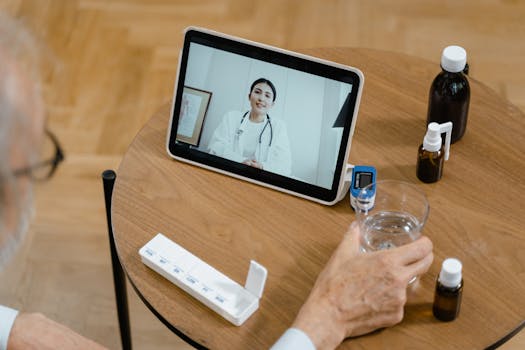 Photo: Tima Miroshnichenko / Pexels