
What Is Telemedicine Used For? Your Digital Health Guide
Unlock convenient, comprehensive healthcare from the comfort of your home, revolutionizing access to medical expertise.
Explore Telemedicine BenefitsKey Takeaways
- ✓ Telemedicine encompasses virtual visits, remote monitoring, and mobile health apps.
- ✓ It's used for primary care, mental health, specialty consultations, and chronic disease management.
- ✓ Benefits include increased access to care, reduced travel time, and lower costs.
- ✓ Regulations and insurance coverage for telemedicine have expanded significantly in recent years.
How It Works
Patients typically book an appointment online or via phone, choosing a time that suits their schedule. You'll often receive a confirmation with details on how to connect.
At the scheduled time, you'll connect with your doctor through a secure video conferencing platform, phone call, or messaging app. Ensure you have a stable internet connection and privacy.
During the consultation, your provider will discuss your symptoms, review your medical history, and may even conduct a virtual examination. They will then offer a diagnosis, treatment plan, or prescription.
Many telemedicine platforms facilitate easy follow-up appointments, prescription refills, and access to your medical records. This ensures continuity of care and ongoing support.
The Expansive Scope of Telehealth Services in Modern Healthcare
 Photo: https://kaboompics.com/ / Pexels
Virtual Consultations and Remote Patient Monitoring: Key Applications
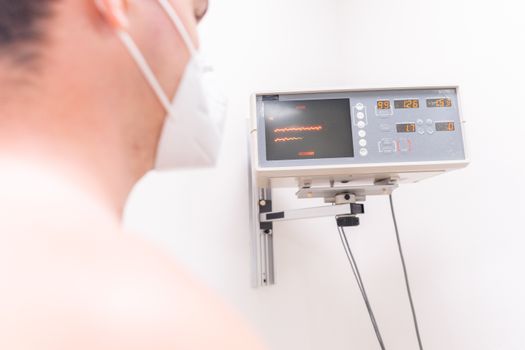 Photo: Los Muertos Crew / Pexels
Benefits for Patients and Providers: Accessibility, Efficiency, and Cost Savings
 Photo: Tima Miroshnichenko / Pexels
Navigating Telemedicine: Tips for a Successful Virtual Visit
Photo: https://kaboompics.com/ / Pexels
Comparison
| Feature | Telemedicine (Virtual Visit) | Traditional In-Person Visit | Urgent Care Center |
|---|---|---|---|
| Convenience | High (from home/office) | Low (travel, waiting rooms) | Moderate (travel, waiting) |
| Access to Specialists | Excellent (broader network) | Good (local availability) | Limited (general care) |
| Cost (Out-of-Pocket) | Often Lower | Variable, can be higher | Variable, often higher |
| Exposure to Illness | Minimal | Moderate to High | Moderate to High |
| Emergency Conditions | ✗ (not for emergencies) | ✓ | ✓ |
| Chronic Condition Management | ✓ | ✓ | ✗ (acute focus) |
| Prescription Refills | ✓ | ✓ | ✓ |
| Privacy | Excellent (private setting) | Good (clinic setting) | Good (clinic setting) |
What Readers Say
"I used telemedicine for a recurring allergy issue, and it was incredibly efficient. The doctor knew exactly what is telemedicine used for in my case, provided a prescription, and I avoided a lengthy trip to the clinic. So convenient!"
Sarah J. · Austin, TX"My therapist moved out of state, but thanks to telemedicine, we could continue our sessions without interruption. It's a lifesaver for mental health care, making it accessible even when life changes."
Mark R. · Denver, CO"I had a mysterious rash, and rather than waiting days for an in-person appointment, I had a virtual visit that same day. The doctor diagnosed it and sent a prescription to my pharmacy within hours. The speed and ease were phenomenal."
Emily L. · Miami, FL"Telemedicine is fantastic for quick questions and follow-ups. While I still prefer in-person for complex issues, for what is telemedicine used for most, like medication checks, it's a huge time-saver. Sometimes the connection can be a bit spotty, but overall, it's a great option."
David W. · Seattle, WA"As a busy working mom, getting to doctor's appointments is tough. Telemedicine allowed me to consult with a pediatrician for my son's ear infection symptoms during my lunch break. It's revolutionized how we access basic care for our family."
Jessica M. · Chicago, ILFrequently Asked Questions
What types of conditions can be treated via telemedicine?
Telemedicine is suitable for a wide range of conditions including common colds, flu, allergies, rashes, minor infections (like UTIs or pink eye), prescription refills, chronic disease management (diabetes, hypertension), mental health counseling, and follow-up appointments. It's generally not for emergencies or conditions requiring physical examination or immediate intervention like broken bones or severe chest pain.
Is telemedicine secure and private?
Yes, reputable telemedicine platforms are designed to be HIPAA-compliant, meaning they use secure, encrypted connections to protect your personal health information. Your virtual consultations are private and confidential, just like in-person visits.
How do I get a prescription through telemedicine?
If your healthcare provider determines that a prescription is necessary during your virtual visit, they can electronically send it directly to your preferred pharmacy. You can then pick it up at your convenience, often within hours of your consultation.
Does insurance cover telemedicine appointments?
Most major insurance providers, including Medicare and Medicaid, now cover telemedicine services, especially since the pandemic. Coverage can vary by plan and state, so it's always best to check with your specific insurance provider beforehand to understand your benefits and any potential co-pays.
How does telemedicine compare to an in-person doctor's visit?
Telemedicine offers greater convenience, reduces travel time, and can be more cost-effective for certain conditions. However, in-person visits are essential for conditions requiring a physical examination, lab tests, imaging, or emergency care. Telemedicine often complements, rather than replaces, traditional care.
Who should use telemedicine?
Telemedicine is ideal for individuals seeking convenient access to routine medical care, managing chronic conditions, needing mental health support, or living in remote areas with limited access to healthcare facilities. It's particularly beneficial for those with busy schedules or mobility challenges.
Are telemedicine diagnoses as accurate as in-person diagnoses?
For many common conditions and follow-up care, telemedicine diagnoses are highly accurate, relying on detailed symptom descriptions, patient history, and visual cues. For complex issues or those requiring hands-on examination, your provider may recommend an in-person visit or further testing to ensure an accurate diagnosis.
What are the future trends for telemedicine?
The future of telemedicine includes even greater integration with AI for diagnostics, expanded use of wearables for continuous remote monitoring, and a focus on personalized, preventative care. We can expect more specialized virtual clinics and hybrid care models that seamlessly combine virtual and in-person care.
Understanding what is telemedicine used for empowers you to make informed decisions about your healthcare. Embrace the future of medicine by exploring how virtual care can offer convenient, high-quality, and accessible solutions for your health needs today.