Where to Get a Flu Shot Near Me: Your Ultimate Guide

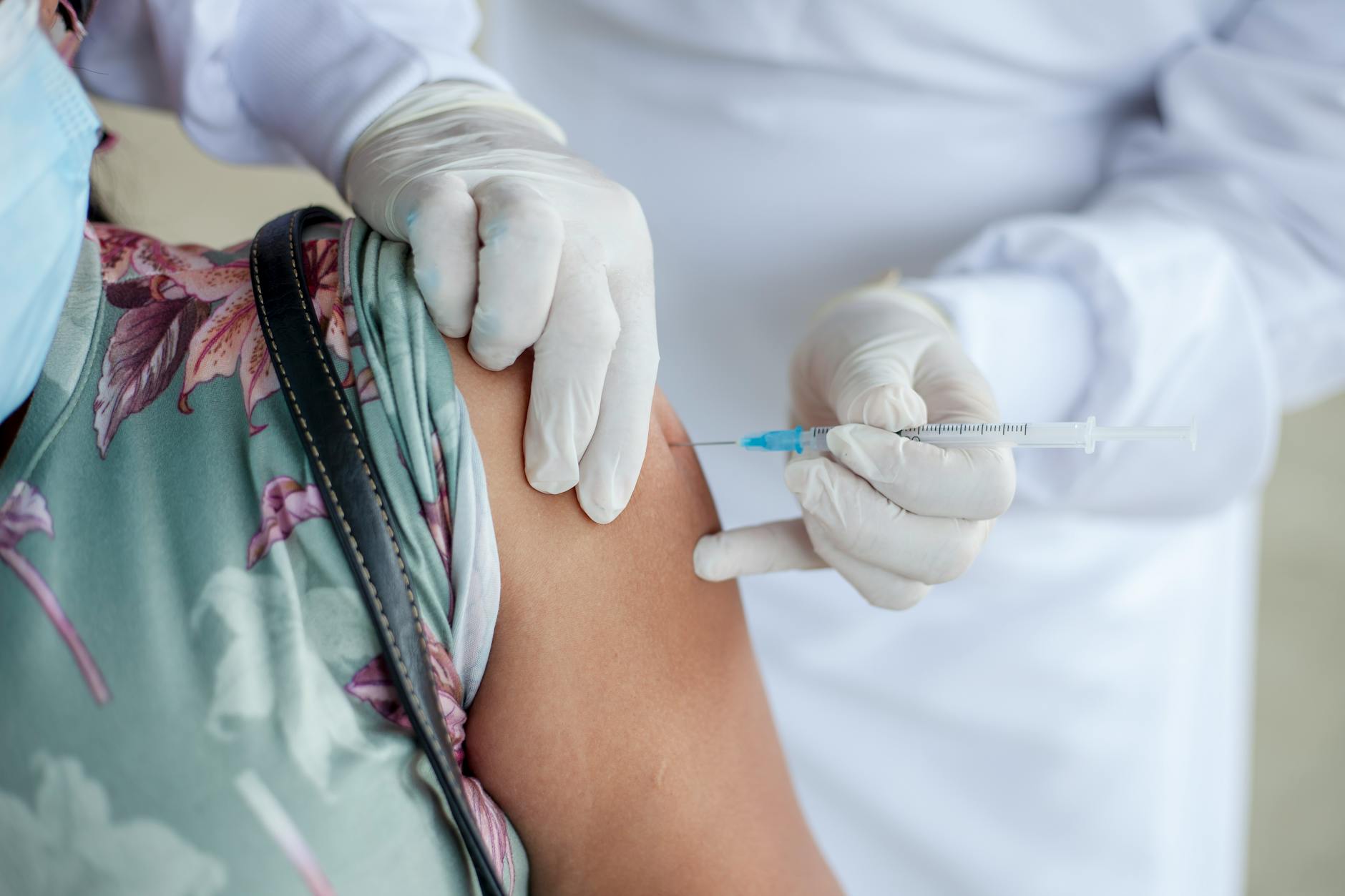
Close-up of a healthcare professional giving a vaccine shot to a patient wearing a mask.Photo: FRANK MERIÑO / Pexels

Where to Get a Flu Shot Near Me: Your Ultimate Guide

Quickly locate accessible flu shot providers to safeguard your health this season.

Find Your Flu Shot Now

Key Takeaways

  • ✓ Annual flu vaccination is recommended for everyone aged 6 months and older.
  • ✓ Flu shots are widely available at pharmacies, doctor's offices, and public health clinics.
  • ✓ Most insurance plans cover the cost of a flu shot, often with no copay.
  • ✓ It takes about two weeks after vaccination for antibodies to develop and provide protection.

How It Works

1
Identify Your Need

Determine if you or your family members are due for a flu shot. Consider any specific health conditions or age groups that might influence your choice of vaccine or location.

2
Locate Nearby Providers

Use online search tools, your insurance provider's website, or local health department resources to find clinics, pharmacies, or doctor's offices offering flu shots in your vicinity.

3
Check Availability & Cost

Confirm that your chosen location has vaccines in stock and verify coverage with your insurance. Many locations offer walk-ins, but appointments are often recommended.

4
Get Vaccinated

Visit your chosen provider, receive your flu shot, and follow any post-vaccination instructions. Enjoy the peace of mind that comes with protecting yourself and others.

Navigating Your Options: Where to Get a Flu Shot Near Me

Detailed image of a syringe and medical supplies, ideal for healthcare and vaccination themes.Photo: Marta Branco / Pexels
When the flu season approaches, the question of "where to get a flu shot near me" becomes a top priority for many health-conscious individuals and families across the US. The good news is that accessibility to flu vaccination has never been greater, with a multitude of convenient options available right in your community. Understanding these options is the first step toward making an informed decision that best suits your lifestyle and healthcare needs. The Centers for Disease Control and Prevention (CDC) consistently emphasizes the importance of annual flu vaccination for everyone six months of age and older, making it a critical public health measure. This widespread recommendation means that providers are geared up to offer the vaccine across various settings. One of the most popular and convenient choices for many Americans is their local pharmacy. Major chains like CVS, Walgreens, Rite Aid, and independent pharmacies often have pharmacists certified to administer vaccines. This option is particularly appealing due to extended hours, walk-in availability, and the ability to combine your vaccination with other errands. Pharmacists are trained professionals who can answer basic questions about the vaccine and ensure you meet the eligibility criteria. Most pharmacies also have systems in place to bill your insurance directly, making the process seamless and often free of charge. Beyond the big chains, many smaller, community-based pharmacies also participate in flu vaccination programs, offering a personalized touch. It's always a good idea to call ahead or check their website for specific hours and vaccine availability, as well as any age restrictions they might have for administration. Another foundational option is your primary care physician's (PCP) office. For those who prefer to receive their vaccinations from a doctor they trust, or if they have specific medical conditions that warrant a physician's oversight, their PCP is an excellent choice. Your doctor's office has your complete medical history, which can be beneficial in assessing any potential contraindications or discussing specific vaccine types. They can also offer comprehensive advice on other preventative health measures. While it might require an appointment, which can sometimes mean a longer wait, the integrated care aspect is a significant advantage. Pediatricians, in particular, are the go-to for infants and young children, ensuring they receive the appropriate childhood immunizations alongside their flu shot. Many clinics also host dedicated flu shot clinics during peak season, making it easier to get vaccinated without a full doctor's visit. Public health clinics and community health centers also play a vital role in providing accessible flu shots, especially for uninsured or underinsured populations. These centers are often funded by state or local governments and aim to serve the broader community, sometimes offering vaccines at reduced cost or no cost at all. They are excellent resources for understanding local health initiatives and finding support services beyond just vaccinations. Checking your local health department's website is a great way to find information on clinic locations, hours, and eligibility requirements. Some employers even organize on-site flu shot clinics, bringing the vaccine directly to the workplace, which offers unparalleled convenience for employees. Understanding these diverse avenues ensures that regardless of your location, insurance status, or preference, an accessible option for your annual flu shot is within reach. The key is to explore what's available in your specific area and choose the most suitable provider to protect yourself and your loved ones.

Understanding Flu Shot Availability and Timing

Calendar with vaccination date circled alongside vaccine vials and syringe for COVID-19 prevention.Photo: Nataliya Vaitkevich / Pexels
The timing of your flu shot can significantly impact its effectiveness throughout the flu season. Generally, experts recommend getting vaccinated by the end of October, before flu activity typically begins to increase. However, vaccination can still be beneficial even into January or later, as flu seasons can be unpredictable and extend well into spring. The reason for this recommendation is that it takes approximately two weeks after vaccination for your body to develop enough antibodies to provide protection against the influenza virus. Therefore, getting vaccinated early allows your immune system ample time to build its defenses before you are likely to be exposed to the virus in your community. Flu vaccine availability usually begins in late summer or early fall, often around August or September. This early rollout ensures that there’s plenty of time for individuals and communities to get vaccinated before the flu season gains momentum. Providers, including pharmacies, doctor's offices, and health clinics, receive their vaccine supply in batches, so it’s always a good idea to check for current availability. Websites and apps for major pharmacy chains often have a flu shot locator that can tell you which specific locations have the vaccine in stock and whether appointments are needed or walk-ins are welcome. This real-time information can save you a trip and ensure a smooth vaccination experience. It's important to remember that flu viruses are constantly changing, which is why a new flu vaccine is developed each year to protect against the strains that scientists predict will be most common. This annual necessity means that even if you got a flu shot last year, you need another one this year to ensure you have the most up-to-date protection. The effectiveness of the vaccine can vary from year to year, depending on how well the vaccine matches the circulating viruses, but even when the match is not perfect, vaccination can still reduce the severity of illness, prevent hospitalizations, and avert flu-related deaths. While the general recommendation is to get vaccinated early, don't despair if you miss the October deadline. Getting a flu shot later in the season is still better than not getting one at all. Flu activity can peak at different times in different regions, and it’s not uncommon for outbreaks to occur even in late winter or early spring. Public health campaigns continue to emphasize vaccination throughout these periods. Some providers may even offer incentives or special clinics during these later months to encourage continued vaccination. Staying informed about local flu activity through your health department or the CDC website can help you gauge the urgency and ongoing relevance of getting your flu shot. Ultimately, consistent annual vaccination is the most reliable strategy for protecting yourself and your community against the seasonal flu.

Cost, Coverage, and Special Considerations for Your Flu Shot

Pink background with a floating syringe and the word 'Vaccine', symbolizing vaccination and health care.Photo: Thirdman / Pexels
Understanding the financial aspect and specific considerations for your flu shot is crucial for making an informed decision. For most people in the United States, the flu shot is available at no out-of-pocket cost, thanks to provisions under the Affordable Care Act (ACA). The ACA mandates that most private health insurance plans cover preventive services, including the flu vaccine, without requiring a copay or deductible. This means that if you have health insurance, whether through your employer, the marketplace, or a private plan, you can typically get your flu shot for free at an in-network provider. It's always wise to verify coverage with your specific insurance provider or the vaccination site before your visit, just to avoid any surprises. Most pharmacies and clinics have systems to check your insurance eligibility on the spot, streamlining the process. For individuals without health insurance, or those whose plans may not fully cover the vaccine, there are still numerous affordable options. Many public health clinics, community health centers, and even some pharmacies offer low-cost or free flu shots, often supported by government programs or grants. Websites like VaccineFinder.org (a service provided by the CDC and the Department of Health and Human Services) can help you locate these low-cost options in your area. Additionally, some employers, schools, and universities organize free flu shot clinics for their staff and students as part of their wellness initiatives. Don't let cost be a barrier to protection; resources are widely available to ensure everyone can access this vital preventive measure. Preventive care is a cornerstone of public health, and flu shots are a prime example. Beyond cost, there are special considerations for certain populations. Children aged 6 months to 8 years who have never received a flu shot, or who have only received one dose in their lifetime, may require two doses spaced at least four weeks apart. This is to ensure they build sufficient immunity. Pregnant women are strongly encouraged to get the flu shot, as it not only protects them from severe illness but also passes protective antibodies to their baby, offering protection during the first few months of life when they are too young to be vaccinated themselves. Individuals with certain chronic health conditions, such as asthma, diabetes, or heart disease, are at higher risk of developing serious flu complications and should prioritize vaccination. Similarly, people aged 65 and older are recommended to receive a higher-dose or adjuvanted flu vaccine, which is designed to create a stronger immune response in older adults. Allergies, particularly to eggs, used to be a significant concern for flu vaccine recipients. However, current guidelines state that people with egg allergies can receive any licensed, recommended, and age-appropriate flu vaccine. Only those with a severe, life-threatening allergic reaction to a previous flu vaccine, or to any component of the vaccine, should consult their doctor about alternatives or defer vaccination. Always inform the vaccinating provider about any allergies or previous vaccine reactions. By being aware of these financial considerations and specific needs, you can ensure that you and your family receive the most appropriate and accessible flu shot for optimal protection each season.

Tips for a Smooth Flu Shot Experience & Common Misconceptions

A healthcare worker gives a vaccine injection to a masked patient, wearing gloves.Photo: SHVETS production / Pexels
Ensuring a smooth and stress-free flu shot experience involves a bit of preparation and understanding. Firstly, whether you're going to a pharmacy, doctor's office, or clinic, it's a good idea to wear loose-fitting clothing, preferably short sleeves, to allow easy access to your upper arm where the vaccine is typically administered. This small detail can make the process quicker and more comfortable. If you're planning to go to a pharmacy, consider using their online scheduling tool if available; this can help you avoid long wait times, especially during peak hours. For those who prefer walk-ins, checking the location's current wait times or less busy periods can also enhance your experience. Don't forget to bring your insurance card and a form of identification, as these will be needed for registration and billing purposes. After getting your flu shot, it's common to experience some mild side effects, such as soreness, redness, or swelling at the injection site. These are normal and usually resolve within a day or two. Some people might also experience low-grade fever, headache, or muscle aches, which are signs that your immune system is building protection. These are much milder and shorter-lived than the actual flu. It's a misconception that the flu shot can give you the flu; the vaccines used in the US are made with inactivated viruses or only a single gene from the virus, meaning they cannot cause influenza illness. Any flu-like symptoms after vaccination are either typical side effects or an unrelated illness. Another common misconception is that if you're healthy and rarely get sick, you don't need a flu shot. This is incorrect. While healthy individuals might experience milder symptoms, they can still contract and spread the flu to others who are more vulnerable, such as infants, the elderly, or those with compromised immune systems. Getting vaccinated protects not only yourself but also contributes to herd immunity, safeguarding the community. Furthermore, the flu can sometimes lead to serious complications even in healthy people. Don't underestimate the flu; it's more than just a bad cold. List of Tips for a Smooth Flu Shot Experience: * **Check Availability:** Use online locators or call ahead to confirm vaccine stock. * **Schedule Ahead:** Book an appointment if available to minimize wait times. * **Dress Appropriately:** Wear loose-fitting or short-sleeved clothing. * **Bring Documentation:** Have your insurance card and ID ready. * **Stay Hydrated:** Drink plenty of water before and after your shot. * **Move Your Arm:** Gently move your arm after the shot to reduce soreness. * **Understand Side Effects:** Be aware of common, mild side effects and don't mistake them for the flu. * **Don't Delay:** Get vaccinated early in the season for optimal protection. By following these tips and dispelling common myths, you can ensure that your annual flu shot experience is as convenient and effective as possible, contributing to a healthier you and a healthier community.

Comparison

FeaturePharmacyDoctor's OfficePublic Health ClinicEmployer Clinic
ConvenienceHigh (walk-ins, extended hours)Moderate (appointments usually needed)Moderate (specific hours)Very High (on-site)
Cost (Insured)Often $0Often $0Often $0Often $0
Cost (Uninsured)Low-cost/Free optionsStandard cost (may vary)Low-cost/Free optionsOften Free
Medical History Access
Age RestrictionsOften 7+ or 18+All ages (pediatricians)Varies by clinicAdults only
Wait TimesCan varyBy appointmentCan varyMinimal

What Our Readers Say

5 ★★★★★

"I was wondering where to get a flu shot near me and my local CVS popped right up. The pharmacist was super quick and efficient, I was in and out in less than 15 minutes. Highly recommend checking your neighborhood pharmacy!"

5 ★★★★★

"My doctor's office made it so easy to get my annual flu shot. They had a dedicated flu clinic day, so I didn't even need a full appointment. It's great to get it from a medical professional I trust."

5 ★★★★★

"I used an online locator to find where to get a flu shot near me, and the public health clinic offered it for free. Saved me money and I feel protected. The staff were very kind and helpful."

4 ★★★★☆

"Walgreens was convenient, but there was a bit of a wait even with an appointment. Still, the process was straightforward, and I'm glad I got my flu shot done for the season."

5 ★★★★★

"My company offered flu shots on-site this year, which was incredibly convenient. Just walked down to the conference room and got it done. It's amazing how easy they've made it to protect ourselves."

Frequently Asked Questions

What is the best place to get a flu shot near me?
The 'best' place depends on your personal preferences for convenience, cost, and medical history. Pharmacies offer walk-in flexibility, doctor's offices provide integrated care, and public health clinics often have low-cost options. Consider what matters most to you, then use online locators to find a suitable provider.
Can I get a flu shot if I have an egg allergy?
Yes, current CDC guidelines state that people with egg allergies can receive any licensed, recommended, and age-appropriate flu vaccine. Severe allergic reactions are rare, but always inform the vaccinating provider about your allergies.
How do I find free or low-cost flu shots if I don't have insurance?
Many public health clinics, community health centers, and some pharmacies offer free or low-cost flu shots, often supported by government programs. Websites like VaccineFinder.org or your local health department's site can help you locate these options in your area.
Is the flu shot covered by insurance?
Yes, most private health insurance plans, as well as Medicare and Medicaid, cover the flu shot as a preventive service, often with no copay or deductible. It's always a good idea to confirm coverage with your specific insurance provider or the vaccination site beforehand.
What is the difference between a high-dose flu shot and a regular one?
High-dose flu shots are specifically designed for people aged 65 and older. They contain four times the antigen of standard flu shots, which helps create a stronger immune response in older adults whose immune systems may be less responsive. There are also adjuvanted vaccines that boost the immune response.
Who should get a flu shot?
Everyone aged 6 months and older is recommended to get an annual flu shot. It is especially important for individuals at high risk of serious flu complications, including young children, pregnant women, adults 65 and older, and people with certain chronic health conditions.
Are there any side effects from the flu shot?
Common side effects are generally mild and temporary, including soreness, redness, or swelling at the injection site. Some people may experience low-grade fever, headache, or muscle aches. These are normal signs that your body is building immunity and are much less severe than the flu itself.
Will I need a flu shot every year?
Yes, an annual flu shot is recommended because flu viruses are constantly changing, and the vaccine is updated each year to protect against the strains predicted to be most common. Additionally, your immune protection from vaccination declines over time.

Don't wait until flu season is in full swing. Take proactive steps to protect your health and the health of your community. Use the resources provided in this guide to easily find where to get a flu shot near me, and make your appointment today.

Topics: where to get a flu shot near meflu vaccine locationsflu shot costseasonal flu preventioninfluenza vaccine