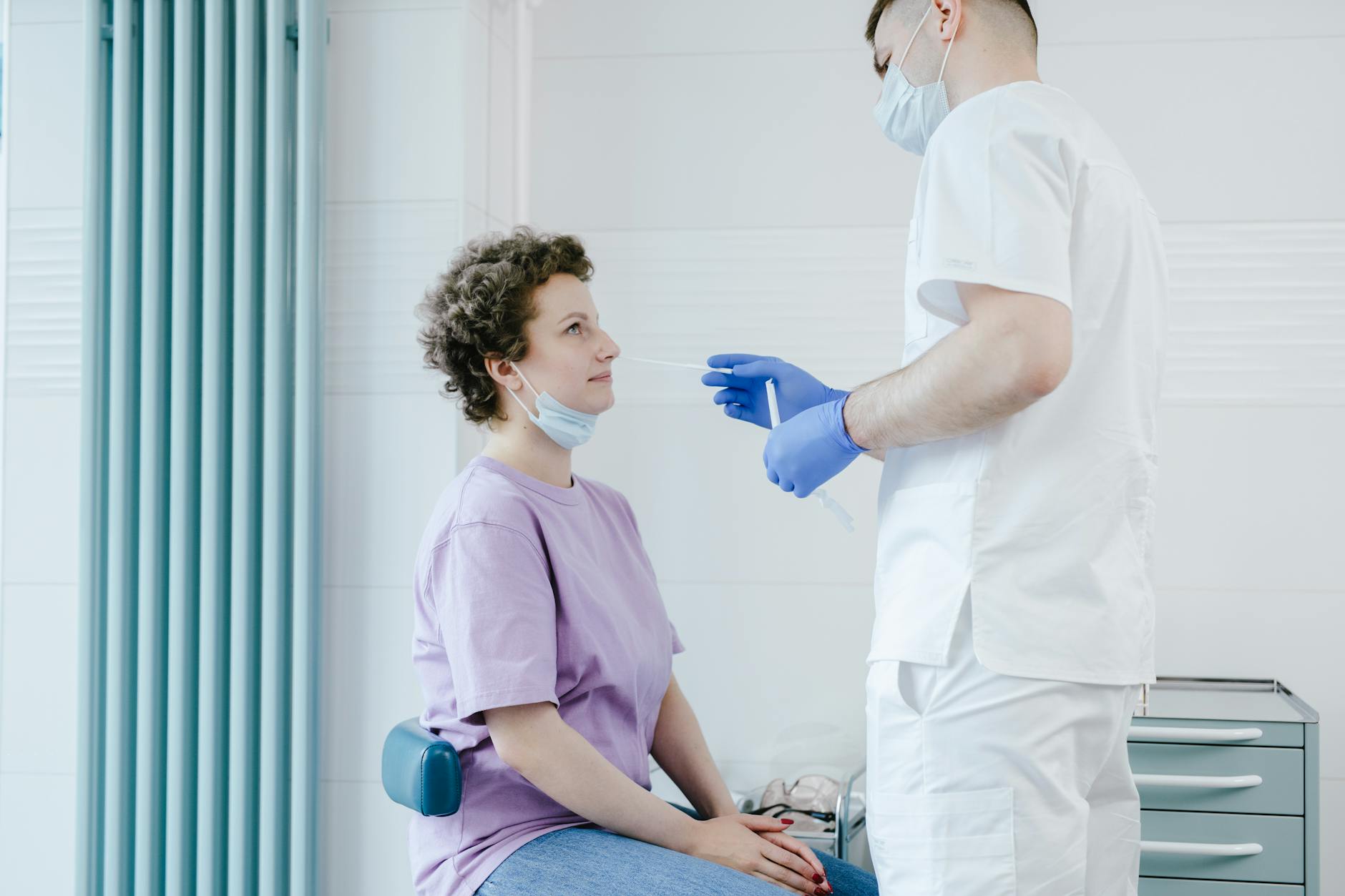
Where to Get a COVID Test Near Me: Your Essential Guide
where to get a covid test near me

Where to Get a COVID Test Near Me: Your Essential Guide

Find convenient COVID-19 testing options in your area, understand test types, and navigate the process with ease.

Find a Test Now

Key Takeaways

  • ✓ COVID-19 testing remains crucial for public health, even as the pandemic evolves.
  • ✓ Multiple types of tests are available, each suited for different situations and offering varying accuracy.
  • ✓ Testing locations include pharmacies, urgent care centers, community sites, and primary care providers.
  • ✓ Many insurance plans cover testing, and free options may still be available through government programs or local health departments.

How It Works

1
Identify Your Need

Determine why you need a test (symptoms, exposure, travel, event) as this influences the recommended test type and urgency. Consider your timeline for results.

2
Locate Testing Options

Use online search tools, health department websites, and pharmacy locators to find testing sites near your current location. Filter by test type and cost if necessary.

3
Schedule & Prepare

Book an appointment if required and confirm necessary documentation (ID, insurance). Follow pre-test instructions, such as avoiding certain foods or nasal sprays.

4
Understand Results & Next Steps

Know when and how you'll receive your results. Understand what a positive or negative result means for you and your household regarding isolation or precautions.

Navigating Your Options: Types of COVID-19 Tests and Their Purpose
Close-up of COVID-19 blood test tubes on blue background, representing pandemic testing. Photo: Maksim Goncharenok / Pexels
When you're asking 'where to get a COVID test near me,' the first step is often understanding what kind of test you actually need. Not all COVID-19 tests are created equal, and each serves a specific purpose, offering different levels of accuracy and speed. Primarily, we distinguish between two main categories: diagnostic tests and antibody tests. Diagnostic tests, which include PCR (Polymerase Chain Reaction) and antigen tests, are designed to detect an active infection, meaning they look for the presence of the virus itself in your body. Antibody tests, on the other hand, look for antibodies in your blood, which are proteins produced by your immune system in response to a past infection or vaccination. These do not indicate an active infection. The gold standard for diagnosing an active COVID-19 infection is the PCR test. These tests are highly accurate because they detect the virus's genetic material. While incredibly reliable, PCR test results typically take longer to process, ranging from 24 hours to several days, depending on laboratory capacity. They are often recommended for individuals with symptoms, those who have been exposed to someone with COVID-19, or for situations requiring definitive confirmation, such as before certain medical procedures or international travel. You can often find PCR testing at hospitals, urgent care centers, and dedicated community testing sites. For more details on where to find these specific tests, refer to our guide on finding a diagnostic lab. Antigen tests, commonly known as rapid tests, detect specific viral proteins. They are quicker, often providing results within 15-30 minutes, making them ideal for quick screening, at-home use, or situations where immediate results are critical, such as before attending an event or visiting vulnerable individuals. While convenient, antigen tests are generally less sensitive than PCR tests, meaning they might produce false negatives, especially if the viral load is low. If you have symptoms but test negative with an antigen test, a follow-up PCR test might be recommended. Many pharmacies and local clinics offer rapid antigen testing, and at-home kits are widely available for purchase. Antibody tests, as mentioned, are different. They are not used to diagnose a current infection. Instead, they can tell you if you've had COVID-19 in the past or if you've developed antibodies from vaccination. These tests involve a blood sample and are typically performed in a clinic or lab setting. Understanding the nuances of each test type is crucial for making an informed decision about where to get a COVID test near me and ensuring you get the most appropriate and reliable results for your situation. Always consult with a healthcare professional if you are unsure which test is right for you, especially if you have underlying health conditions or specific exposure concerns. This initial understanding will significantly streamline your search for a testing site.

Convenient Locations: Where to Get a COVID Test Near Me
Top view of vaccine for COVID 19 among different pills and syringe in pink bright neon light Photo: Alena Shekhovtcova / Pexels
Finding a COVID test near you has become significantly easier since the early days of the pandemic, with a robust network of testing sites now established across the United States. Your options for where to get a COVID test near me are diverse, catering to different needs for speed, cost, and accessibility. The most common and accessible locations include pharmacies, urgent care centers, community testing sites, and your primary care physician's office. Pharmacies like CVS, Walgreens, Rite Aid, and many local independent pharmacies have become key players in COVID-19 testing. They often offer both rapid antigen tests and PCR tests, with many providing drive-thru options for convenience and to minimize contact. Scheduling an appointment online through their respective websites is usually required, and you can often find detailed information about test availability, turnaround times, and whether they accept insurance. These sites are particularly useful for individuals seeking accessible, walk-in or drive-thru options without needing a doctor's referral. Urgent care centers are another excellent resource, especially if you're experiencing symptoms and need to see a healthcare professional quickly. Most urgent care facilities offer both rapid antigen and PCR testing, often alongside a medical evaluation. This can be beneficial if you're unsure about your symptoms or need a doctor's assessment. While they can provide comprehensive care, wait times can sometimes be longer than at a dedicated testing site, and costs might vary depending on your insurance coverage and whether you receive additional services. Community testing sites, often run by local health departments or state governments, continue to play a vital role. These sites were particularly prevalent during surges and often provided free testing to the public, regardless of insurance status. While some have scaled back, many still operate, offering accessible testing, sometimes without an appointment. Checking your local county or state health department's website is the best way to find these specific sites and understand their operational hours and requirements. These sites are often a good option for individuals seeking free or low-cost testing. Finally, your primary care physician (PCP) can also provide COVID-19 testing. If you have an established relationship with a doctor, this can be a comfortable and familiar option. Your PCP can also help determine the best test for your situation and integrate the results into your overall health record. However, availability might depend on their office's capacity, and they may refer you to an external testing site if their resources are limited. Always call ahead to inquire about their testing protocols and appointment availability before showing up. Each of these options offers distinct advantages, so consider what is most important to you – speed, cost, or medical consultation – when deciding where to get a COVID test near me.

Cost and Coverage: Understanding Your Financial Options for Testing
From above of silver blister full of drug near big pile of dollar to spend on medication Photo: https://kaboompics.com/ / Pexels
One of the primary concerns when considering where to get a COVID test near me is often the cost and whether it will be covered. Fortunately, significant progress has been made in ensuring testing is affordable or even free for most individuals in the United States. However, the landscape of coverage can be complex and has evolved over time, so it's important to understand your specific situation. For many years during the pandemic, federal mandates required private insurance plans, Medicare, and Medicaid to cover COVID-19 testing without cost-sharing. This meant that if you had health insurance, your diagnostic test (PCR or antigen, when ordered by a healthcare provider for diagnostic purposes) was typically covered at 100%. While some of these mandates have expired, many insurance providers continue to offer coverage for medically necessary testing. It's always best practice to contact your insurance company directly to understand your specific benefits and any potential out-of-pocket costs, especially if you're seeking a test for non-diagnostic reasons like travel or routine screening. For those without health insurance or who face financial barriers, several options for free testing remain available. The federal government, through programs like the COVID-19 Uninsured Program (though largely ended), and state and local health departments, have historically funded and continue to operate community testing sites that offer free tests. These sites are often found in public health clinics, community centers, or mobile testing units. Searching your local health department's website or using online locators like the CDC's testing site finder can help you pinpoint these no-cost options in your area. Additionally, some pharmacies or urgent care centers might participate in programs that offer free testing, so it's worth inquiring when you call or schedule an appointment. At-home antigen tests have also become a popular and convenient option. For a period, the federal government provided free at-home tests through mail-order programs, and many insurance plans were required to reimburse members for the cost of a certain number of over-the-counter tests per month. While these specific programs may have changed, at-home tests are still widely available for purchase at pharmacies and retailers. The cost of these tests can vary, but they generally range from $10-$25 per test. It's advisable to check if your insurance plan still offers reimbursement or if there are any local programs providing free at-home test kits. Understanding these financial aspects is key to making an informed decision about where to get a COVID test near me that aligns with your budget and coverage. For broader questions about healthcare costs, you might find our article on understanding medical billing helpful.

Preparing for Your Test and Interpreting Results Effectively

Once you've identified where to get a COVID test near me, adequate preparation and a clear understanding of your results are the next crucial steps. Proper preparation can ensure a smooth testing experience and reliable results, while correct interpretation helps you take appropriate action afterward. **Before Your Test:** * **Check Requirements:** Confirm if you need an appointment, a doctor's referral, or specific identification. Some sites require pre-registration online. * **Understand Instructions:** For nasal swab tests, avoid eating, drinking, chewing gum, or smoking for at least 30 minutes before your test. Do not use nasal sprays or rinse your nose. These actions can contaminate the sample and affect accuracy. * **Dress Appropriately:** If it's a drive-thru site, wear comfortable clothing. If it's an indoor facility, wear a mask as required. * **Bring Essentials:** Have your ID, insurance card (if applicable), and appointment confirmation ready. If you're doing an at-home test, read the instructions carefully before starting. * **Arrive on Time:** Punctuality helps testing sites manage their flow and reduces wait times for everyone. **Interpreting Your Results:** * **Negative Result:** A negative test result means the virus was not detected in your sample at the time of testing. However, it doesn't guarantee you won't develop COVID-19 later, especially if you were recently exposed. Continue to monitor for symptoms and follow public health guidelines, including vaccination and masking in high-risk settings. If you have symptoms but tested negative with an antigen test, a PCR test may be recommended. * **Positive Result:** A positive test result means you likely have an active COVID-19 infection. You should immediately isolate yourself to prevent further spread. Follow CDC guidelines for isolation, which typically involve staying home for at least 5 days and wearing a high-quality mask if you must be around others. Inform close contacts of your positive status so they can monitor for symptoms and get tested. Contact your healthcare provider for advice on managing symptoms and when to end isolation. * **Inconclusive/Invalid Result:** Occasionally, a test might return an inconclusive or invalid result. This usually means the test couldn't determine a clear positive or negative, often due to an issue with the sample collection or the test kit itself. In such cases, you will likely need to get retested. Knowing what to expect before, during, and after your test empowers you to navigate the process effectively and respond appropriately to your results, helping to protect your health and the health of your community. Always refer to the latest CDC guidelines or consult your healthcare provider for the most current recommendations regarding isolation, precautions, and treatment options.

Comparison

FeaturePCR TestRapid Antigen TestAt-Home Test
PurposeDiagnose active infectionScreen for active infectionScreen for active infection
AccuracyHigh (Gold Standard)Moderate to HighModerate to High
Result Time24-72 hours15-30 minutes15-30 minutes
Cost (approx.)$0 - $150+$0 - $70$10 - $25 per test
LocationLabs, Hospitals, Urgent Care, PharmaciesUrgent Care, Pharmacies, Community SitesPurchase online/pharmacy, self-administered
ConvenienceRequires appointment, lab processingOften walk-in or appointmentHighest (self-administered)
Best Use CaseSymptomatic, exposure, travel, definitive diagnosisQuick screening, mild symptoms, pre-eventQuick screening, mild symptoms, routine checks

What Readers Say

"I was worried about where to get a COVID test near me when I started feeling unwell. The CVS minute clinic was so easy to book online, and I got my rapid test results in 15 minutes. The staff was incredibly helpful and efficient."

Sarah J. · Austin, TX

"Needed a PCR test for travel and found a community testing site through my local health department. It was completely free and surprisingly fast. Received my results via email within 24 hours, which was perfect for my flight."

David L. · Miami, FL

"After a known exposure, I used an at-home test I bought at Walgreens. The instructions were clear, and the positive result prompted me to isolate immediately. It really helped me quickly understand my status and protect my family."

Maria K. · Denver, CO

"My primary care doctor’s office offered testing, which was convenient since they know my medical history. It took a bit longer to get an appointment than an urgent care, but I appreciated the familiar environment and personalized advice."

Robert S. · Seattle, WA

"When my kids needed tests for school, finding where to get a COVID test near me that was kid-friendly was key. The local urgent care had a dedicated pediatric testing area, and the nurses were so patient and kind."

Jessica M. · Chicago, IL

Frequently Asked Questions

What's the difference between a PCR and a rapid antigen test?

PCR tests detect viral genetic material and are highly accurate, but take longer for results (24-72 hours). Rapid antigen tests detect viral proteins, provide quicker results (15-30 minutes), but are generally less sensitive. PCR is often considered the 'gold standard' for diagnosis, while rapid tests are good for quick screening.

Are COVID-19 tests still free in the US?

While federal mandates for universal free testing have largely expired, many options for free testing still exist. This includes community testing sites funded by state or local health departments, and some insurance plans may still cover medically necessary tests at no cost. It's always best to check with your local health department or insurance provider.

How do I find the closest testing site to me?

You can find the closest testing site by using online search engines, the CDC's testing locator tool, or by visiting the websites of major pharmacy chains (CVS, Walgreens) or your local health department. Many sites allow you to filter by test type and appointment availability.

Will my health insurance cover the cost of a COVID test?

Most private insurance plans, Medicare, and Medicaid continue to cover medically necessary COVID-19 diagnostic tests. However, coverage for routine screening, travel, or at-home tests may vary. It's crucial to contact your specific insurance provider directly to confirm your benefits and any potential out-of-pocket costs.

Should I get tested if I don't have symptoms but was exposed?

Yes, if you've been exposed to someone with COVID-19, it's generally recommended to get tested even if you don't have symptoms. The CDC advises testing at least 5 full days after your last exposure. A PCR test is often preferred in this scenario due to its higher sensitivity, but a rapid test can also provide useful information.

Who should get a COVID test?

Anyone experiencing COVID-19 symptoms, those who have been in close contact with someone confirmed to have COVID-19, and individuals required to test for travel, work, school, or events should get tested. Healthcare providers may also recommend testing for certain medical procedures.

Are at-home COVID tests reliable?

At-home antigen tests are generally reliable for detecting active infection, especially if you have symptoms or a high viral load. However, they are less sensitive than PCR tests and can sometimes produce false negatives. If you have symptoms but test negative with an at-home test, a follow-up PCR test is often recommended for confirmation.

What is the future trend for COVID-19 testing?

The trend for COVID-19 testing is moving towards integration with broader respiratory virus panels, allowing for simultaneous detection of COVID-19, flu, and RSV. Increased availability of highly accurate at-home tests and continued accessibility through healthcare providers and pharmacies are also expected, making testing a more routine part of managing respiratory illnesses.

Finding where to get a COVID test near me no longer needs to be a source of stress. With a clear understanding of your options, costs, and preparation steps, you can quickly and confidently locate the right testing solution for your needs. Stay informed, stay prepared, and take proactive steps to protect your health and the well-being of your community.

Topics: where to get a covid test near mecovid testing sitesrapid covid testPCR test near mefree covid tests
Leo List

IE Escorts NO Escorts US Escorts NZ Escorts AU Escorts
Brampton weed
Adultwork EstrelaBet Vai de Bet R7 Bet Betão Galera Bet Rainbet Bet9ja Shop SportyBet BetKing Sisal Loto Foot Hollywoodbets YesPlay Odibets RushBet Jugabet BetWarrior BetCity MSport betPawa Fortebet